Choose plain dried fruit for a fruit portion, not as the protein component of a desk lunch: the ASDA and M&S examples declare 2.6g and 2.4g protein per 100g. Whitworths declares 13.7g per 100g for one fruit-and-peanut mix, but its 30g portion provides 4.1g; if protein is your main reason for buying, compare the amount per serving on a protein snack or another lunch component and check that its ingredients suit you.
Who is this choice for?
Protein-focused desk lunch shoppers
If the snack needs to contribute protein, compare the declared amount per portion as well as per 100g. Whitworths, ASDA and M&S labels show why a fruit-and-nut mix and plain dried fruit should not be treated as equivalent.
Shoppers packing a fruit portion
Plain dried fruit can be a compact part of lunch without being its protein component. The NHS counts 30g of dried fruit as one 5 A Day portion and advises having it at mealtimes rather than grazing between meals to reduce tooth-decay risk.
Shoppers checking allergens
Moving from dried fruit to a nut mix changes what you need to check on the pack. The examined products include peanuts or tree nuts, while ASDA Dried Mango lists sulphur dioxide; read the ingredients and allergen information for the exact product.
What should you check?
Start with the role the snack has in lunch: a fruit portion, a fruit-and-nut mix, or a separate protein component. Then compare the amount you would actually eat, not just the per-100g figures.
| Priority | What to check | Your needs |
|---|
| Protein per portion |
Compare protein per 100g across products, then calculate or read the declared amount for the portion you plan to pack. Whitworths lists 4.1g protein per 30g for its 1DERS Energising Fruit and Nut Mix. |
I want the snack to contribute protein to lunch, rather than relying on a fruit label to tell me that it does. |
| Fruit and sugars |
Read sugars per 100g and the ingredient list, particularly for sweetened fruit or chocolate. The NHS uses 30g of dried fruit as one 5 A Day portion and advises eating it at mealtimes. |
A compact fruit portion would be useful at my desk, but I also want to know what else is in the pack and whether I need a separate lunch component. |
| Allergens |
Check the exact pack for peanuts, tree nuts and sulphur dioxide or sulphites; other declared allergens depend on the product. A plain fruit pack and a fruit-and-nut mix need separate checks. |
If I am avoiding an ingredient, convenience cannot replace reading the current ingredients and allergen statement. |
| Pack format |
Check the pack size against the portion you intend to take to work. A large pack needs portioning; an individual bar has its own declared serving size. |
I need something I can pack quickly without mistaking the contents of a multipack for one serving. |
Common buying mistakes
-
Assuming dried fruit will provide the protein in lunch
ASDA Dried Mango and M&S Mixed Dried Fruit declare 2.6g and 2.4g protein per 100g respectively. A small fruit portion contributes less protein than those per-100g figures.
Compare protein for the amount you will eat. If protein is the priority, check a fruit-and-nut mix or a separate protein-containing food by its declared serving value.
-
Treating a fruit-and-nut mix like plain fruit
Whitworths 1DERS Energising Fruit and Nut Mix contains peanuts and sweetened dried cranberries. Its ingredients and allergen considerations differ from those of plain dried fruit.
Check ingredients and allergens first, then compare protein, sugars and portion size on the exact pack.
-
Grazing from a large dried-fruit pack
A desk drawer makes it easy to lose track of the amount eaten. The NHS advises eating dried fruit at mealtimes rather than between meals to reduce tooth-decay risk.
Pack a portion with lunch; the NHS reference for one 5 A Day portion of dried fruit is 30g. Choose another lunch component if the fruit portion does not meet your protein goal.
-
Relying on a familiar product name for allergen suitability
Fruit snacks and mixes have different ingredient lists. For example, ASDA Dried Mango lists sulphur dioxide, while the Whitworths 1DERS mix contains peanuts.
Read the ingredients and allergen statement on the current pack, particularly when buying for someone with an allergy or intolerance.
Brand and retailer references
These labels illustrate differences between particular fruit and nut products; a brand name alone does not establish a product’s protein content.
Whitworths
Its examined range includes fruit-and-nut mixes in portioned formats.
- Whitworths declares 13.7g protein per 100g and 4.1g per 30g for 1DERS Energising Fruit and Nut Mix; Wondermix Feel Energised declares 8.1g and 2.4g respectively.
- The mixes have different ingredients, including peanuts in 1DERS and almonds in Wondermix. Check the exact pack for allergens and sweetened ingredients.
Asda
ASDA Dried Mango is a plain-fruit example for comparing a fruit portion with a fruit-and-nut mix.
- Its label declares 2.6g protein, 57g sugars and 7.5g fibre per 100g.
- The ingredient list includes sulphur dioxide. Its declared protein value does not make it a protein-led lunch choice.
M&S
Its fruit-snack range includes plain dried fruit and fruit-and-nut products that need to be assessed separately.
- The M&S Mixed Dried Fruit label declares 2.4g protein per 100g.
- That same label declares 68.8g sugars per 100g. Check the exact product label rather than applying these figures to other M&S fruit snacks.
Tesco
Its grocery categories distinguish fruit-and-nut bars and protein products from high-protein yoghurts.
- The separate categories offer different product types to compare when a dried-fruit portion is not the main protein component.
- A category name does not establish the protein per serving, ingredients or storage requirements of an individual product; check its label.
Joybuy options for a desk lunch
These options include fruit-and-nut mixes and non-fruit snacks for a desk lunch. Choose by the ingredients, pack format and protein per serving that matter to you; the non-fruit options are alternatives to dried fruit, not dried-fruit varieties.
 No image available
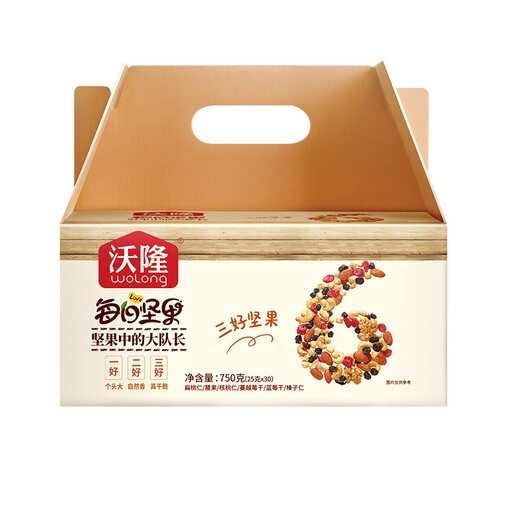
Wolong Daily Nuts Series A (Adult Version) 750g
A fruit-and-nut option to consider if you want both in a desk-lunch snack. Check the exact pack for its protein per portion, sweetened fruit and nut allergens.
View on Joybuy
 No image available
Trek Salted Caramel Protein Flapjacks 3 x 50g
A flapjack alternative when you want to compare a dedicated protein snack with dried fruit. The pack contains three 50g bars; check protein, sugars and allergens for one bar.
View on Joybuy
 No image available
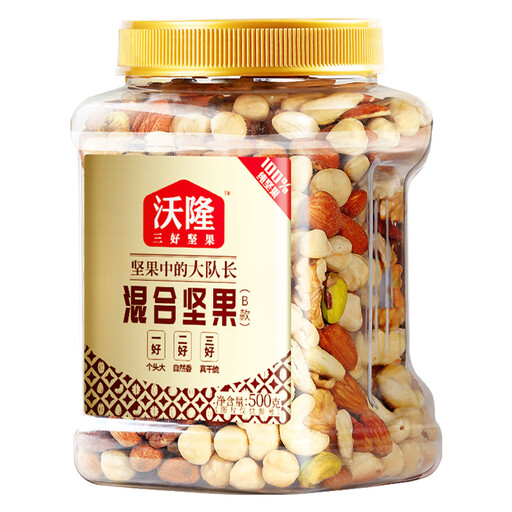
Wo Long Assorted Pure Nuts Tin 500g
Consider nuts rather than dried fruit if a fruit portion is not what you want from this snack. This 500g tin calls for portioning before you take it to your desk; check the nut allergens and protein for your chosen amount.
View on Joybuy
 No image available
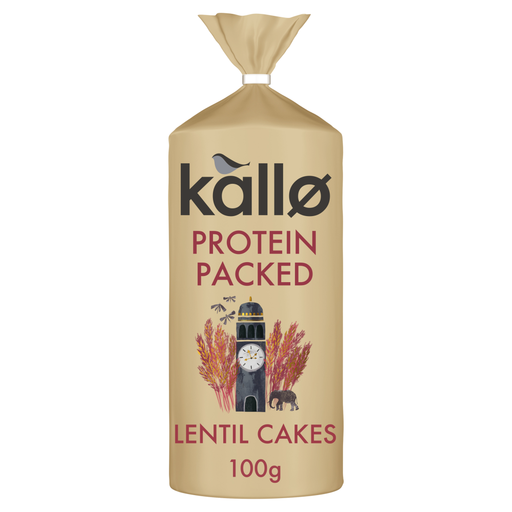
Kallo Protein Packed Lentil Cakes 100g
A savoury, non-fruit option if you are comparing snack types for a desk lunch. Use the 100g pack label to check protein for the number of cakes you plan to eat, along with ingredients and allergens.
View on Joybuy
 No image available
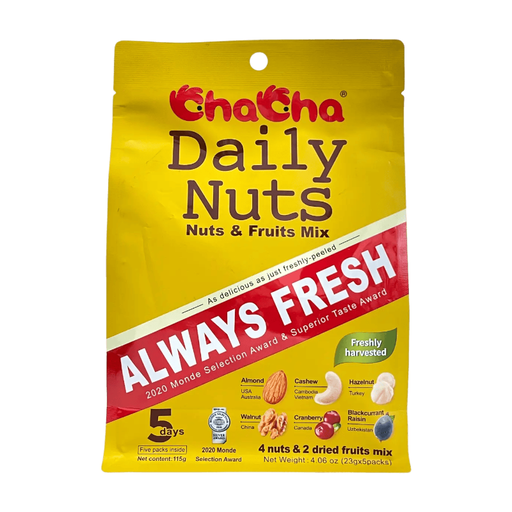
Qia Qia Daily Nuts 115g
Another fruit-and-nut option for comparing with plain dried fruit. Check the 115g pack for its serving size, protein and sugars, and read the nut allergen information before choosing it.
View on Joybuy
Questions about dried fruit and protein
Is plain dried fruit a high-protein desk lunch?
Do not rely on it as the protein component. ASDA Dried Mango declares 2.6g protein per 100g and M&S Mixed Dried Fruit declares 2.4g; compare a separate protein snack or lunch component by the amount in the serving you would eat.
Does adding nuts change the protein comparison?
It can for the products examined: Whitworths declares 13.7g protein per 100g for its 1DERS Energising Fruit and Nut Mix, compared with 2.4g–2.6g per 100g on the examined plain dried-fruit labels. The Whitworths mix supplies 4.1g per 30g portion and contains peanuts, so check both portion size and allergens.
How much dried fruit counts as a fruit portion?
The NHS counts 30g of dried fruit as one 5 A Day portion. It advises eating dried fruit at mealtimes rather than between meals to reduce tooth-decay risk; a fruit portion is not, by itself, a protein-containing lunch.
Do dried-fruit products need an allergen check?
Yes, when an ingredient matters to you. ASDA Dried Mango lists sulphur dioxide, while the examined fruit-and-nut mixes include peanuts or tree nuts. Check the current pack for the exact ingredients and allergen statement rather than assuming that all fruit snacks contain the same things.


