Workers packing a fruit snack
Dried fruit is easy to take to work, but it is a fruit component of a meal rather than the main protein food. Check the portion and what else you plan to eat on your break.


Do not rely on plain dried fruit as the protein food for a night shift: ASDA Figs declare 3.3g protein per 100g, while Sainsbury's Prunes declare 1.7g. If you want dried fruit, have it with a planned meal that includes a separate protein food. The NHS advises eating dried fruit at mealtimes rather than grazing on it between meals to reduce tooth-decay risk.
Dried fruit is easy to take to work, but it is a fruit component of a meal rather than the main protein food. Check the portion and what else you plan to eat on your break.
If protein is the reason for choosing a snack, compare the declared amount per serving. Cambridge University Hospitals NHS Foundation Trust identifies foods including eggs, dairy, pulses and tofu as protein-containing choices.
Plan when you will eat dried fruit instead of repeatedly taking pieces from an open bag. The NHS advises having it at mealtimes, not as a between-meal snack, to reduce tooth-decay risk.
Decide whether you want fruit, a fruit-and-nut mix or a separate protein food, then compare the exact pack against the needs of your shift.
Choose when: You want fruit with a planned meal that includes another protein food.
Trade-off: The named fig and prune products contribute little protein per 100g.
Choose when: You want fruit with nuts and the exact mix suits your ingredient and allergen requirements.
Trade-off: Whitworths declares 8.6g protein and 422 kcal per 100g for its almond-containing Wondermix; that is about 8.2% of its energy from protein, using the conversion factor published by legislation.gov.uk.
Choose when: Protein is your main reason for planning the meal or snack; add fruit if you want it.
Trade-off: Check the chosen food's portion, allergens and any storage or preparation it needs at work.
| Priority | What to check | Your needs |
|---|---|---|
| Protein amount | Compare protein per 100g and per serving. ASDA Groceries declares 3.3g per 100g for its figs; Sainsbury's declares 1.7g per 100g for its prunes. | If protein is my main aim, I want the amount in the portion I will actually eat, not an assumption based on the word 'fruit' or the presence of nuts. |
| Shift planning | Check whether the food can be packed, stored and eaten on a planned break. BHR Hospitals NHS Trust advises planning ahead and notes that a smaller snack or light meal during a break may suit night work better than one large meal. | I want food ready for my break, rather than deciding what to eat once my shift is under way. |
| Portion and timing | The NHS says 30g of dried fruit counts as one 5 A Day portion and advises eating dried fruit at mealtimes rather than between meals to reduce tooth-decay risk. | A measured portion with my meal suits me better than picking at an open bag throughout the night. |
| Ingredients and allergens | Read the exact pack's nut ingredients, sulphites and may-contain statement. Whitworths lists almonds and sulphur dioxide in its Wondermix and warns that it may contain peanuts, other nuts and sesame. | Before I pack a mix for work, I need to know whether its actual ingredients and allergen warnings are suitable for me. |
ASDA Figs and Sainsbury's Prunes declare 3.3g and 1.7g protein per 100g respectively. Those figures do not make either product a substantial standalone protein choice.
If protein is the priority, choose a separate food with a declared protein amount and treat the dried fruit as an addition to the meal.
Whitworths declares 8.6g protein and 422 kcal per 100g for its almond-containing Wondermix. Using the protein energy conversion factor published by legislation.gov.uk, about 8.2% of its energy comes from protein; Regulation (EC) No 1924/2006 sets a 20% energy-from-protein criterion for a 'high protein' claim.
Check protein per serving and the energy figures on the exact mix rather than judging it by its name or ingredients alone.
The NHS advises having dried fruit at mealtimes instead of as a between-meal snack to reduce tooth-decay risk.
Portion it before work and have it with a planned meal rather than repeatedly eating from the bag overnight.
The Whitworths Wondermix page lists almonds and 8.6g protein per 100g, while a similarly named Joybuy listing describes different nuts and declares 9.5g per 100g. Their ingredient and nutrition details should not be treated as interchangeable.
Read the label for the exact pack you intend to buy, particularly its nut ingredients, sulphites and may-contain statement.
These examples show why the exact product label matters more than a brand or category name.
Its almond-containing Wondermix is a fruit-and-nut example, not a plain dried-fruit example.
ASDA Figs 200g provides a plain dried-fruit label to compare with other foods.
Sainsbury's Prunes 40g is a portion-sized plain dried-fruit option.
Tesco lists several kinds of dried fruit, including raisins, prunes, cranberries and mango.
M&S lists dried fruit and also presents nuts and seeds as a separate snack category.
These are separate snack and drink options to consider when planning protein alongside fruit for a night-shift meal. They are not plain dried-fruit products; check each pack's protein declaration and practical requirements before choosing one.
 No image available
A bar to consider packing with a planned shift meal rather than relying on dried fruit alone. Check the protein per bar and the pack's allergen declaration for your needs.
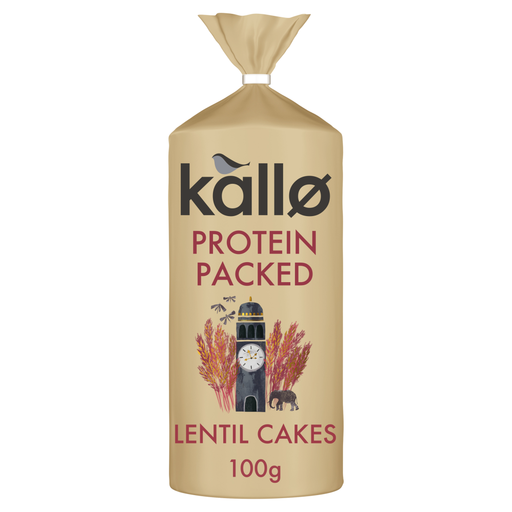 No image available
A lentil-cake option to consider alongside a planned meal with fruit. Check protein per cake, how many you intend to eat and the pack's allergen warnings.
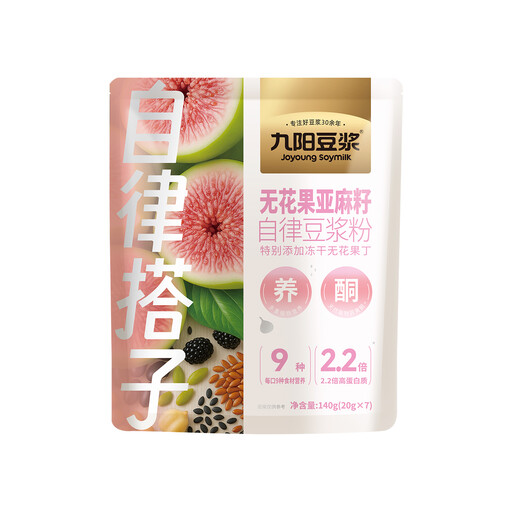 No image available
A powdered drink option for a break where hot water is available, rather than a ready-to-eat snack. Check the preparation directions, ingredients and protein per prepared serving on the pack.
Do not choose it as your main protein food on the basis of the named examples. ASDA Groceries declares 3.3g protein per 100g for its figs, and Sainsbury's declares 1.7g per 100g for its prunes. Regulation (EC) No 1924/2006, published by legislation.gov.uk, sets a 20% energy-from-protein criterion for a 'high protein' claim; neither example reaches that figure using its declared energy and protein values.
Pack a portion to eat with a planned meal and choose a separate protein food if protein is your priority. BHR Hospitals NHS Trust advises planning ahead for shifts and says a smaller snack or light meal during a break may suit night work better than one large meal. The NHS advises eating dried fruit at mealtimes rather than between meals.
The NHS says 30g of dried fruit counts as one 5 A Day portion. It advises eating dried fruit at mealtimes, not as a between-meal snack, to reduce tooth-decay risk.
Not necessarily. Whitworths declares 8.6g protein and 422 kcal per 100g for its almond-containing Wondermix. Using the protein conversion factor published by legislation.gov.uk, that is about 8.2% of energy from protein, below the 20% criterion for a 'high protein' claim in Regulation (EC) No 1924/2006. Check the figures for the exact mix you are considering.
Check the serving size, protein declaration, named nuts, sulphites and may-contain statement on the exact pack. Whitworths lists almonds and sulphur dioxide in its Wondermix and says it may contain peanuts, other nuts and sesame; similarly named listings need not have the same ingredients.