For a dried-fruit-containing food that meets the high-protein criterion, Whitworths Power 10 Protein Topper is a closer fit than a fruit-only pack: its listed protein and energy provide approximately 21.4% of energy from protein. It is designed for porridge, yoghurt or cereal rather than eating straight from a packet. If portability matters more, a fruit-and-nut bar may suit the routine, but check its nutrition panel rather than assuming its name means it meets the criterion.
Who is each format for?
The useful distinction is between wanting dried-fruit flavour, meeting a protein criterion and having something ready to eat away from a table.
Shoppers seeking protein and dried-fruit flavour
A topper containing dried fruit may fit if protein is the deciding factor and you can eat it with a meal. Check the whole product’s nutrition panel: the presence of fruit or nuts alone does not establish its protein-energy percentage.
People eating at a desk or while travelling
A wrapped fruit-and-nut bar is easier to carry than a topper served with yoghurt or porridge. Convenience and protein content are separate questions: Sainsbury’s lists 6.2g protein per 45g nākd Cherry Fruit & Nut Protein Bar, but its stated per-100g figures put it below the 20% protein-energy criterion.
Dried-fruit buyers checking timing or allergens
The NHS advises eating dried fruit at mealtimes rather than between meals to reduce tooth-decay risk. If a protein-led mix is under consideration, read its current allergen statement too: Whitworths Power 10 contains peanuts and almonds and may contain other nuts and sesame.
What should you check?
Start with the protein criterion, then decide whether the food’s format fits when and where you plan to eat it.
| Priority |
What to check |
Your needs |
| Protein criterion |
The high-protein criterion published by legislation.gov.uk is at least 20% of a food’s energy from protein. Using its 4kcal-per-gram protein conversion factor, multiply protein grams per 100g by 4, divide by the listed kcal per 100g, then multiply by 100. |
I want dried-fruit flavour without mistaking a product that merely contains some protein for one that meets the high-protein criterion. Whitworths lists 26g protein and 487kcal per 100g for Power 10 Protein Topper, giving approximately 21.4%. |
| Eating format |
Check whether the product is a topper, cereal, wrapped bar or fruit-only pack, and whether you need a bowl or preparation. Read the ingredients to see how much of the product is dried fruit. |
For a seated mid-morning meal, a topper with yoghurt or porridge could work. If I need something to carry and eat without preparation, I would compare wrapped options separately rather than assume they meet the same protein criterion. |
| Dried-fruit timing |
The NHS says 30g of dried fruit counts as one 5 A Day portion and advises having dried fruit at mealtimes, rather than between meals, to reduce tooth-decay risk. Check the serving size on the pack. |
I’m choosing dried fruit for its fruit content, so I need to consider when I’ll eat it as well as what is in the pack. |
| Allergens |
Read the current ingredients and precautionary statements for peanuts, tree nuts and sesame. Do not assume that a seed- or pulse-based name means a mix is free from nuts. |
If those allergens matter to me, I need the label for the exact product. Whitworths states that Power 10 contains peanuts and almonds and may contain other nuts and sesame. |
What is easy to overlook?
-
Assuming fruit-only means high protein
Sainsbury’s lists 0.8g protein in a 25g BEAR dried mango pack. That figure describes the pack, not every dried-fruit product, but it shows why fruit content alone cannot answer a protein-led buying question.
Compare the protein and energy figures on the particular pack with the 20% protein-energy criterion published by legislation.gov.uk.
-
Relying on “protein” in a product name
Sainsbury’s lists 14g protein and 404kcal per 100g for the nākd Cherry Fruit & Nut Protein Bar. Using the conversion factor published by legislation.gov.uk, approximately 13.9% of its energy comes from protein, although a 45g bar contains 6.2g protein.
Use the per-100g protein and energy figures to assess the criterion; use the per-bar figure to understand what one bar contains.
-
Nibbling dried fruit throughout the morning
The NHS advises having dried fruit at mealtimes instead of between meals to reduce tooth-decay risk. That matters when the intended use is a separate mid-morning snack.
Consider dried fruit alongside a meal rather than grazing on it repeatedly.
-
Missing allergens in a protein-led mix
Whitworths Power 10 Protein Topper contains peanuts and almonds and may contain other nuts and sesame. A dried-fruit ingredient does not make the complete mix suitable for someone avoiding those allergens.
Check the current pack’s ingredients and precautionary allergen wording for the exact variant before eating it.
Which brands are relevant?
These references illustrate different product formats; a brand name alone cannot establish the nutrition or ingredients of an individual item.
Whitworths
Whitworths makes the Power 10 Protein Topper, a dried-fruit-containing mix intended for porridge, yoghurt or cereal.
- Whitworths lists 26g protein and 487kcal per 100g for Power 10; using the legislation.gov.uk conversion factor, approximately 21.4% of its energy comes from protein.
- It is a topper rather than a fruit-only pack, and it contains peanuts and almonds.
Sainsbury’s
Sainsbury’s product information provides examples across cereal and fruit-only formats, which serve different reasons for buying a mid-morning food.
- Its High Protein Berry Granola lists 23.3g protein per 100g and contains freeze-dried mixed berries.
- The berries account for 2.5% of that granola’s ingredients, so it is not equivalent to a pack of dried fruit. Its listed BEAR dried mango example contains 0.8g protein per 25g pack.
Tesco
Tesco’s dried-fruit range lists categories including apricots, mango, dates, and raisins and sultanas.
- Those categories give shoppers different fruit formats to compare.
- For a protein-led choice, check the nutrition panel of the individual product rather than relying on its place in a dried-fruit category.
Joybuy options for a different format
These Joybuy options are lentil cakes and peanut butter porridge sachets for a mid-morning occasion. Neither contains dried fruit, so they are alternatives to consider only if that ingredient is not essential to your choice.
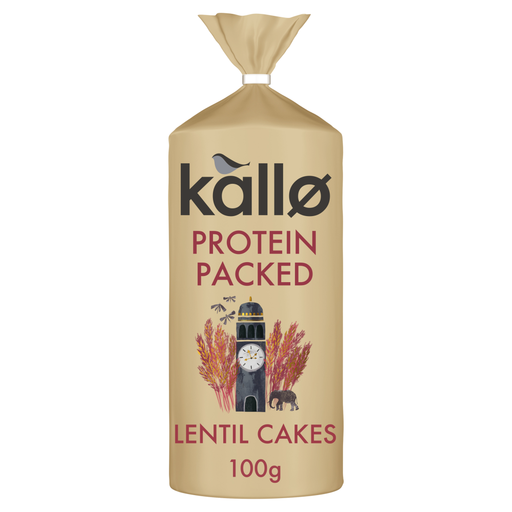 Image unavailable
Kallo Protein Packed Lentil Cakes 100g
These savoury lentil cakes are a ready-to-eat option for a mid-morning break, but they contain no dried fruit.
View on Joybuy
 Image unavailable
Quaker Oat So Simple Peanut Butter Protein Sachets, 8 Pack, 344g
These porridge sachets suit a seated mid-morning meal if you can prepare them with hot water or milk. They contain no dried fruit.
View on Joybuy
Questions about dried fruit and protein
Is plain dried fruit high in protein?
Do not assume it is. The high-protein criterion published by legislation.gov.uk requires at least 20% of a food’s energy to come from protein; Sainsbury’s lists just 0.8g protein in its 25g BEAR dried mango pack. Check the nutrition panel of the specific dried fruit you are considering.
Can I have dried fruit as a separate mid-morning snack?
The NHS advises eating dried fruit at mealtimes rather than between meals to reduce tooth-decay risk. It says a 30g portion counts as one 5 A Day portion, so consider whether the dried fruit can accompany breakfast or another meal instead of being grazed on through the morning.
How do I check a fruit-and-nut bar’s protein claim?
Use its per-100g figures: multiply protein grams by 4kcal, divide by the stated kcal, then multiply by 100. Legislation.gov.uk publishes the 4kcal-per-gram conversion factor and the 20% protein-energy criterion. Sainsbury’s figures for the nākd Cherry Fruit & Nut Protein Bar give approximately 13.9%, even though one 45g bar contains 6.2g protein.
What allergens should I check in a dried-fruit-containing topper?
Check both the ingredients and any “may contain” statement on the current pack. Whitworths states that Power 10 Protein Topper contains peanuts and almonds and may contain other nuts and sesame; its dried-fruit ingredients do not remove those allergen considerations.


