Shoppers looking for low-fat fruit
If fruit is the priority, plain apricots or prunes may fit. Sainsbury’s dried apricots and ASDA prunes each list less than 0.5g fat per 100g, but only 2.7g and 2.5g protein respectively.


Choose plain dried fruit if you want a low-fat fruit option, but not if high protein is your main requirement: the apricots and prunes compared here contain 2.2–2.7g protein per 100g. UK high-protein claim rules require at least 20% of a food’s energy to come from protein, according to legislation.gov.uk. Compare fat, protein, sugars and ingredients on the pack; if you consider a protein snack instead, check its fat content separately.
If fruit is the priority, plain apricots or prunes may fit. Sainsbury’s dried apricots and ASDA prunes each list less than 0.5g fat per 100g, but only 2.7g and 2.5g protein respectively.
If you need a food that qualifies for a high-protein claim, do not choose plain dried fruit on the strength of its protein figure alone. Check how much of the product’s energy comes from protein, as well as its fat content.
The NHS counts 30g of dried fruit as one 5 A Day portion and advises eating it at mealtimes rather than between meals to reduce the risk of tooth decay.
Start with the nutrition values per 100g so that fruit and other snacks are compared on the same basis. Then check ingredients and the amount you intend to eat.
| Priority | What to check | Your needs |
|---|---|---|
| Protein | Read protein and energy per 100g. Legislation.gov.uk sets the UK high-protein claim condition at a minimum of 20% of energy from protein; a protein amount in grams alone does not establish that. | If protein is my main reason for buying, I need to check whether the particular product meets that condition rather than treating dried fruit as a protein food. |
| Fat and sugars | Compare total fat and sugars per 100g, then check the serving. Sainsbury’s lists 36.4g sugars per 100g for its dried apricots; ASDA lists 34g per 100g for its prunes. | I want a low-fat fruit option, but the sugars on the label also matter to my choice. |
| Portion | Compare the pack’s serving with the NHS dried-fruit portion of 30g. The NHS advises eating dried fruit at mealtimes rather than between meals to reduce tooth-decay risk. | A measured amount with a meal suits me better than eating directly from a large pack. |
| Ingredients | Read the current pack for allergens and added ingredients. Sainsbury’s dried apricots list sulphur dioxide; BEAR dried cherries list apple juice concentrate and sunflower oil. | If I avoid a particular ingredient, I need to check the exact product and pack, not assume all dried fruit is plain fruit. |
These are different nutrition characteristics. For example, ASDA prunes list less than 0.5g fat but 2.5g protein per 100g; the UK high-protein claim condition published by legislation.gov.uk concerns the share of energy supplied by protein.
Check protein and energy on the same product label. If a high-protein food is the aim, assess another product category on its own nutrition values.
A low fat value tells you nothing about sugars. Sainsbury’s dried apricots list 36.4g sugars per 100g, while the BEAR dried cherries listed by Sainsbury’s contain apple juice concentrate and list 77g sugars per 100g.
Compare sugars per 100g and read the ingredients when choosing between plain and juice-infused fruit.
The NHS counts 30g of dried fruit as one 5 A Day portion and advises having it at mealtimes rather than between meals to reduce tooth-decay risk.
Measure out the amount you plan to eat and consider including it with a meal.
Sainsbury’s lists 6g protein per 45g bar for the Nakd Cherry Protein Bar, alongside 18g fat per 100g. Its protein figure does not settle whether its fat content fits your needs.
Compare protein and fat using the same per-100g basis, then check the serving you would eat.
These examples illustrate differences between specific dried-fruit products; a brand name alone does not establish a product’s nutrition or ingredients.
Whitworths apricots and prunes provide two plain dried-fruit examples to compare by label.
Its Ready to Eat Dried Apricots provide a per-100g comparison for fat, protein and sugars.
ASDA Prunes are another specific low-fat dried-fruit option for comparison.
The M&S fruit-snack range includes different fruit types, so the exact product matters.
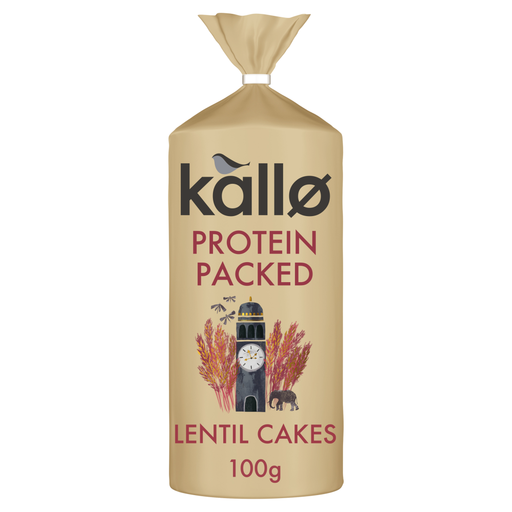
These lentil cakes and protein bars are alternatives to dried fruit when protein is the main consideration. They are not dried-fruit choices; compare each pack’s protein and fat values before deciding whether it fits a low-fat eating pattern.
 No image available
A savoury lentil-cake option rather than dried fruit. Check the pack’s protein, fat and allergen information against your requirements.
 No image available
A chocolate-flavoured protein bar rather than a fruit snack. The pack contains 12 x 50g bars; compare the protein and fat figures on the label before choosing it for a low-fat plan.
 No image available
An Oreo-flavoured protein bar rather than dried fruit. The pack contains 4 x 60g bars; check the nutrition table for both protein and fat, as well as the ingredients.
Do not assume so. The plain apricots and prunes compared here list 2.2–2.7g protein per 100g, while the UK condition for a high-protein claim, published by legislation.gov.uk, requires at least 20% of a food’s energy to come from protein. Assess the exact product using its protein and energy values.
Among the plain dried fruits compared here, Sainsbury’s Ready to Eat Dried Apricots have the highest listed figure at 2.7g protein per 100g, with less than 0.5g fat per 100g. ASDA Prunes list 2.5g protein and less than 0.5g fat per 100g. That small difference does not make either a high-protein choice.
The NHS counts 30g of dried fruit as one 5 A Day portion. It advises eating dried fruit at mealtimes rather than between meals to reduce the risk of tooth decay.
Not necessarily. Sainsbury’s lists 6g protein per 45g Nakd Cherry Protein Bar, but also 18g fat per 100g. Compare both nutrients on the same per-100g basis, then check the bar’s serving size.
Yes, particularly if you avoid certain ingredients. Sainsbury’s Ready to Eat Dried Apricots list sulphur dioxide, while BEAR dried cherries list apple juice concentrate and sunflower oil. Check the label on the pack you buy.