
24/7 Customer Support

Free returns

Same-day & Next-day Delivery

Quality Guaranteed

Unlock Your Welcome Offers: FREE Delivery | Up to 80% OFF | Free 30-day JoyPlus trial
Download the APP
Faded black jeans, lacklustre towels and dull hoodies can make a wardrobe feel tired. The idea to upcycle clothing dye is appealing, offering a sustainable and affordable refresh. However, the world of home dyeing is filled with potential frustrations. Many of us have been tempted by the promise of a simple fix, only to be left with patchy results, unexpected costs or worse, a stained washing machine.
As the Joybuy Product Recommendation Officer, my role is to help you navigate these choices. Let's look at the common pitfalls of home fabric dyeing and how to select a product that delivers the rich, even colour you're looking for.
Before you start your project, be aware of these frequent issues that can lead to disappointment and wasted money:
Understanding these issues is the first step. The next is knowing which product specifications are non-negotiable for achieving a professional-looking result at home.
To successfully revive faded jeans or other textiles, focus on these three key factors. They determine whether your project will be a success or a frustrating mess.
The single most important factor is the fabric's composition. A permanent clothes dye works by chemically bonding to fibres.
textile dye for cotton and similar natural materials.The delivery system of the dye is crucial for convenience and achieving an even colour.
Dylon dye pod represents a significant step up in convenience. These self-contained units are placed directly into the drum. The pod dissolves during the cycle, releasing the pre-mixed dye and salt solution evenly. This design minimises mess and greatly reduces the chance of patchiness.Dye is not a one-size-fits-all solution. The final shade depends on the ratio of dye to the dry weight of your fabric. A product description will typically state how much fabric can be dyed to a full, intense shade (e.g., 600g) versus a lighter shade (e.g., up to 1.8kg). For a deep black fabric dye result on a pair of heavy jeans (which can weigh 500-700g), you will need to use the recommended amount for a full-intensity colour. Always weigh your dry items beforehand to ensure you have enough dye for your project.
Based on these practical considerations, here are some recommendations matched to different user needs.
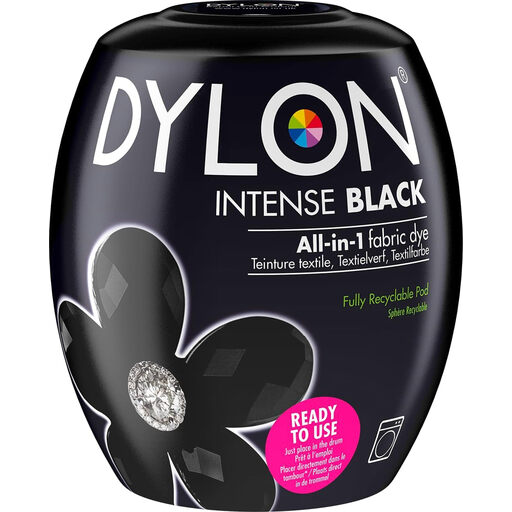
Why This Fits Their Persona: This user wants to revive faded black jeans, towels or hoodies with minimal fuss and maximum reliability. They value a straightforward process that delivers consistent, deep black colour directly in the washing machine.
The all-in-one pod contains both the dye and the required salt, eliminating the "hidden salt cost" pitfall. Its pod design ensures the dye dissolves evenly, preventing patchy results.
Unmatched convenience; simply peel the lid and place the entire pod in the drum. Formulated for an intense, permanent black colour on natural fabrics.
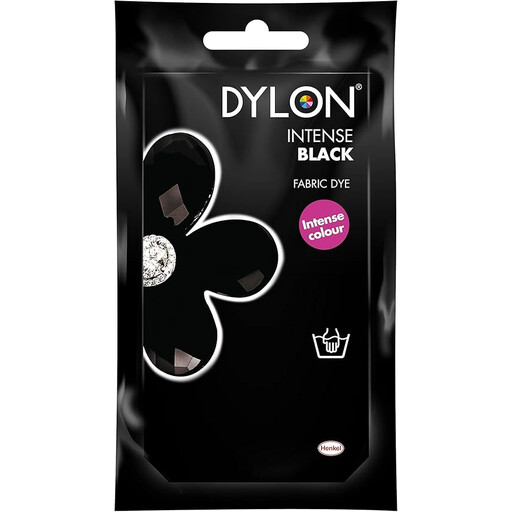
Why This Fits Their Persona: Ideal for someone dyeing a small item, a delicate fabric like silk or wool or trying a craft like tie-dye. They prefer a hands-on method and want to avoid using the washing machine for dyeing.
This method completely bypasses any concerns about staining a washing machine. The manual process gives the user full control over dye dissolution and application, reducing patchiness risk.
Perfect for delicate fabrics unsuitable for machine washing. It's a low-cost way to dye small items like socks, scarves or cushion covers. Note that this method does require salt to be added separately.
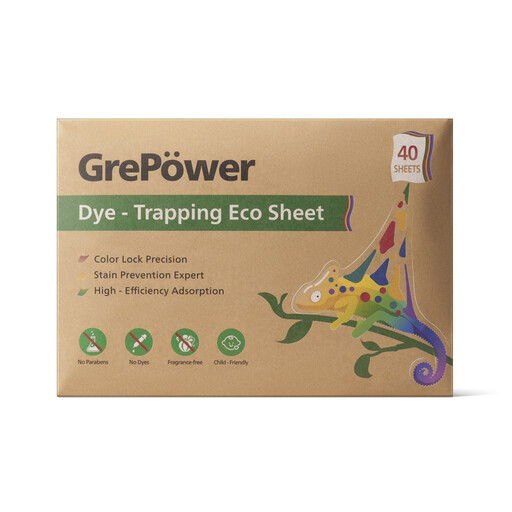
Why This Fits Their Persona: This user has successfully dyed their items but is now worried about loose dye bleeding onto other clothes in future washes. They want a simple way to protect their laundry and maintain colour integrity.
Directly prevents the pitfall of colour bleeding. By absorbing loose dye particles in the wash water, it stops them from settling on other garments, especially in mixed-colour loads.
Allows for mixed-colour washes with confidence, saving time, water and energy. The sheet provides a visible confirmation that it has trapped excess dye, offering peace of mind.
We have compiled a complete, real-time list of products that fully satisfy these strict selection criteria and UK safety regulations.
This is a valid concern, but the risk is very low if instructions are followed. The dye is formulated to bond with fabric, not metal or plastic. After the dyeing process, the instructions advise running an empty wash cycle with detergent to clean out any residual dye from the machine before your next normal laundry load. This effectively flushes the system and prevents transfer.
One Dylon All-in-1 pod (350g) will dye up to 600g of fabric (dry weight) to its full, intense shade. If you use it on a larger amount of fabric, up to 1.8kg, you will achieve a lighter shade. For reference, a pair of adult jeans typically weighs between 500g and 700g, and a large bath towel is around 700g.
No, you do not. The "all-in-one" name signifies that the salt, which is essential for the dye to bond with the fabric, is already included within the pod. This is a key convenience feature that separates it from many other fabric dyes on the market.