
24/7 Customer Support

Free returns

Same-day & Next-day Delivery

Quality Guaranteed

Unlock Your Welcome Offers: FREE Delivery | Up to 80% OFF | Free 30-day JoyPlus trial
Download the APP
Breathing new life into a faded pair of jeans or customising a plain tote bag is a rewarding project. Fabric dye offers a simple and affordable way to refresh your wardrobe and home textiles. However, the path to a perfect new colour is often paved with common pitfalls, from patchy results to unexpected costs. Many find the colour on the box is a far cry from the final shade on their garment.
As the Joybuy Product Recommendation Officer, my role is to help you navigate these challenges. Before you start your next dyeing project, let's look at the frequent missteps that can lead to disappointment and how to avoid them.
To ensure your project is a success, focus on these core parameters before you buy any clothes dye.
The single most important factor is the material of your item. Fabric dyes are formulated to bond with specific types of fibres.
The method you choose depends on your project, fabric type and convenience.
To achieve the intended colour saturation, you must consider the dry weight of the fabric you are dyeing. A single 50g sachet of DYLON hand dye is typically formulated to achieve a deep, rich colour on about 250g of fabric (e.g., a large t-shirt). If you use the same sachet on 500g of fabric (e.g., a pair of jeans), you will achieve a noticeably lighter shade. Always weigh your dry items before starting to manage your colour expectations.
To help you choose the right product, here are a few options matched to common user needs.
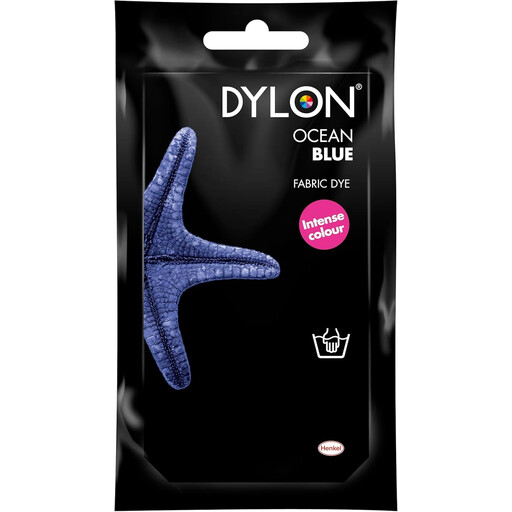
Why This Fits Their Persona: Perfect for those one-off creative projects, like tie-dyeing a t-shirt or adding a splash of colour to cushion covers. The single-use sachet format means minimal waste for a small-scale DIY task.
This product is explicitly for hand dyeing, which manages expectations about its use. The packaging clearly states the fabric weight-to-colour ratio, helping you avoid unpredictable results.
Ideal for delicate fabrics like silk and wool that cannot be machine washed. The manual process offers full control for artistic effects like tie-dye and batik.
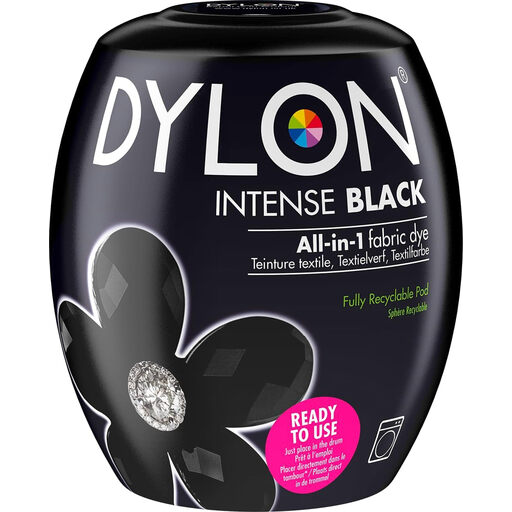
Why This Fits Their Persona: For someone looking to efficiently restore faded black jeans, hoodies or towels. This user values convenience and consistent results for everyday items.
The all-in-one pod contains the necessary salt, eliminating the hidden cost and complexity of measuring and adding it separately. Its machine-use design ensures an even colour finish on larger items.
Extremely simple to use: just place the pod in the washing machine drum. It can dye up to 600g of fabric to its full intensity, making it efficient for larger loads.
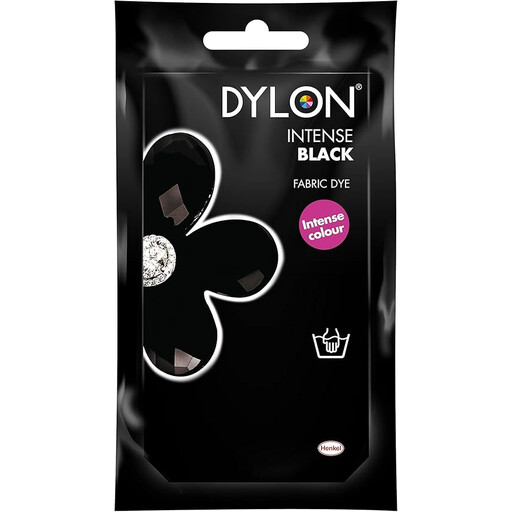
Why This Fits Their Persona: This is for the individual needing to dye items that are too delicate for a washing machine, such as a silk scarf, a wool jumper or fine-knit items. They prioritise garment care over speed.
By being a dedicated hand-dye product, it prevents the user from accidentally damaging delicate fabrics in a hot, high-friction machine cycle. It is clearly positioned for its specific, gentle use case.
The formula is suitable for natural fibres including silk and wool. The manual stirring process is much gentler than machine tumbling, preserving the integrity of delicate textiles.
We have compiled a complete, real-time list of products that fully satisfy these strict selection criteria and UK safety regulations.
To improve colour fastness, always follow the instructions carefully. This usually involves using the correct amount of salt (if required) to act as a fixative, rinsing the garment in cold water after dyeing until the water runs clear and for the first few subsequent washes, washing the item separately in cool water.
No, a blue fabric dye or any other colour from the DYLON hand-dye range is not suitable for 100% polyester. These dyes are designed for natural fibres. On polyester, the colour will not bond and will wash away, leaving you with little to no result. You would need to source a dye specifically formulated for synthetic fabrics.
Porcelain and plastic basins can be susceptible to staining. A stainless steel sink is the most resilient option. Regardless of the material, it is advisable to clean the basin or sink immediately after you have finished dyeing using a bleach-based cleaning product. Wearing rubber gloves throughout the process will also protect your hands from being stained.