
24/7 Customer Support

Free returns

Same-day & Next-day Delivery

Quality Guaranteed

Unlock Your Welcome Offers: FREE Delivery | Up to 80% OFF | Free 30-day JoyPlus trial
Download the APP
Navigating the world of green eco-friendly products can feel like a challenge. With so many items claiming to be "eco-conscious," it's easy to fall for marketing hype that doesn't deliver on its promises. Many of us have been there: buying a "green" product only to find it underperforms, or discovering its environmental credentials are not as solid as they first appeared. This guide is designed to help you cut through the clutter and identify genuinely sustainable items that offer real value.
Before you spend your money, it's crucial to be aware of a few common pitfalls:
To avoid these traps, focus on a few core parameters. Analysing these details will help you distinguish between genuine green household items and those that are merely riding a trend.
Always ask: what is this product actually made from? Vague descriptions are a red flag. Look for specific information about the materials used. For plastics, this could mean identifying items made from recycled materials, often indicated by a specific code like LDPE Code 4. For plastic-free alternatives, look for clear declarations of the source, such as corn starch or other plant-based polymers. This level of detail shows the manufacturer is confident in their sourcing and provides a clearer picture of the product's lifecycle.
A truly sustainable product often has its claims backed by independent standards. Instead of trusting a generic "eco" logo, look for references to recognised certifications. For biodegradable packaging, this might include standards like ISO 15985 or ASTM D6400, which define the conditions under which a material will break down. For electronics, look for energy efficiency ratings and guarantees that suggest durability. These certifications provide objective proof that a product meets specific environmental criteria.
A product's sustainability is also tied to its performance and lifespan. For eco-friendly home essentials, consider how well it does its job and how long it will last. A vacuum cleaner with a powerful 750W motor, a robust filtration system like an Anti-Allergen Complete Seal and features designed for durability, such as Anti Hair Wrap Technology, represents a better long-term investment than a cheaper model that needs frequent replacement. Prioritising quality and functionality reduces consumption and waste over time.
To help you find products that align with these principles, we've matched a few options to different user needs.
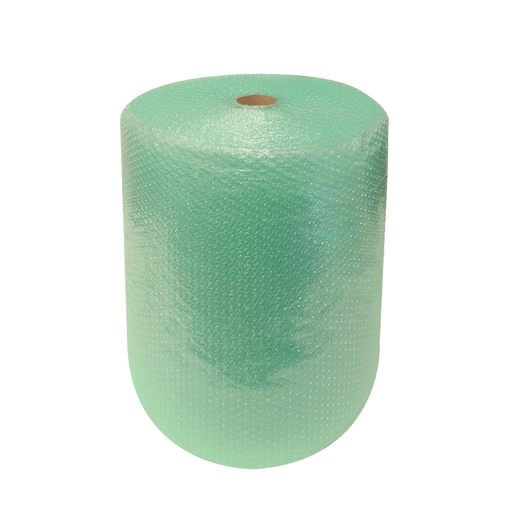
Why This Fits Their Persona: For UK small business owners who need reliable packaging, this bubble wrap offers a sustainable solution without compromising on protection for fragile goods during transit.
It directly counters the "greenwashing" trap by citing specific certifications (ISO 15985:2014 & ASTM D5511-18) for its biodegradability under landfill conditions, providing clear, verifiable information.
It is both biodegradable and fully recyclable as LDPE (Code 4) plastic, offering flexible and responsible disposal options. It is also made in the UK with high recycled content.
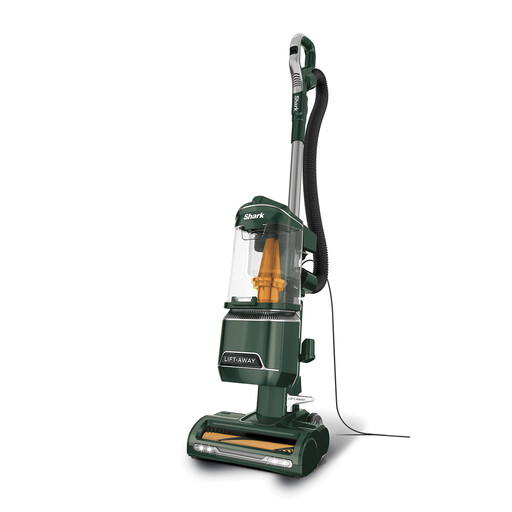
Why This Fits Their Persona: For households, especially those with pets, sustainability means investing in a durable, high-performance appliance that won't need replacing every few years. This vacuum is built for longevity and effectiveness.
This model avoids the "performance deficit" trap. Its specialised features like Anti Hair Wrap Technology and a dedicated Pet Tool solve common user frustrations, ensuring it remains a useful tool rather than becoming obsolete.
The Anti-Allergen Complete Seal captures 99.9% of dust and allergens, contributing to a healthier home environment. The 5-year guarantee also signals a commitment to product lifespan.
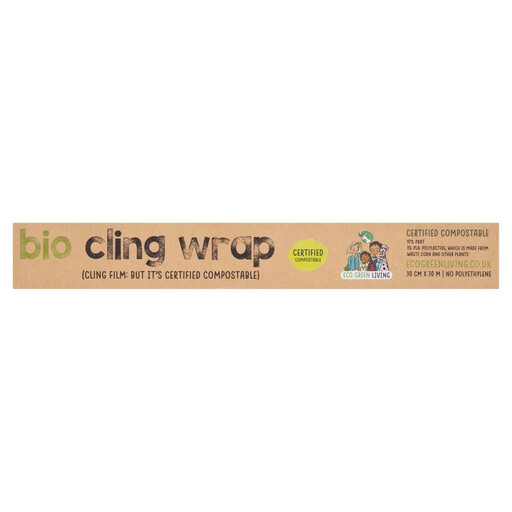
Why This Fits Their Persona: For those starting their sustainability journey, this cling wrap is an easy and affordable swap for a common single-use plastic item in the kitchen, making an immediate impact.
It avoids vague claims by being certified compostable to ASTM D6400 standards and clearly stating its composition (corn starch). This is a genuine plastic-free alternative, not just clever marketing.
Being free from PVC and BPA, it offers a food-safe wrap that sticks well to various surfaces, providing a practical and health-conscious alternative to traditional plastic-based cling film.
We have compiled a complete, real-time list of products that fully satisfy these strict selection criteria and UK safety regulations.
This is a common point of confusion. Biodegradable means a material can be broken down by microorganisms over time, but the term doesn't specify the timeframe or conditions. Many materials are technically biodegradable but may take centuries in a landfill. Compostable, on the other hand, means a material can break down into natural elements in a composting environment within a specific timeframe (e.g., 90 days), leaving no toxic residue. For home composting, look for "certified home compostable" labels.
While some sustainable products can have a higher initial purchase price, it's important to consider the total cost of ownership. A durable, well-made item like a high-quality vacuum cleaner may cost more upfront but saves money by lasting longer and performing better than cheaper, disposable alternatives. Similarly, reusable items often pay for themselves over time. For single-use items like biodegradable packaging, prices are becoming increasingly competitive as demand grows.
The most reliable method is to look for third-party certifications, as mentioned earlier. Check the packaging or the manufacturer's website for specific standards like ISO, ASTM or certifications from bodies like the Forest Stewardship Council (FSC) for paper products. Be wary of vague, self-made logos. A quick search for the standard online can usually confirm its legitimacy and what it guarantees.