
24/7 Customer Support

Free returns

Same-day & Next-day Delivery

Quality Guaranteed

Unlock Your Welcome Offers: FREE Delivery | Up to 80% OFF | Free 30-day JoyPlus trial
Download the APP
From preserving leftovers to prepping sandwiches, cling film is a staple in most UK kitchens. Yet, finding the right one can be a surprisingly tricky task. Some rolls tangle at the slightest touch, others refuse to stick and many raise environmental concerns. The choice is no longer just about size; it's about material, ease of use and sustainability.
This guide is designed to help you navigate the options. We will explore the key features to look for when buying food wrap and highlight some practical choices available for different needs, whether you're a home cook, a busy caterer or someone seeking a more eco-friendly food wrap.
Before choosing, consider what matters most for your kitchen routine. Focusing on a few key factors can help you find a product that performs well and suits your values.
The composition of your food wrap is a significant consideration. Traditionally, many cling films were made from PVC (polyvinyl chloride), which offers excellent cling. However, concerns about plasticisers have led many to seek out PVC free cling film. These are often made from PE (polyethylene), which is considered a more stable material for food contact. For those prioritising sustainability, options like biodegradable cling film made from plant-based materials (like corn starch) are now widely available. These are designed to break down under specific composting conditions, reducing plastic waste.
One of the most common frustrations with cling film is the dispensing. A tangled roll or a jagged tear can waste both time and product. Look for options that offer a cling film with cutter system. These often come in two forms: a serrated edge on the box or a more advanced slide cutter. For covering bowls and plates, elastic food covers offer a convenient alternative. These disposable or reusable covers function like a shower cap for your containers, providing a quick and secure seal without any tearing or stretching required.
The right roll size depends entirely on your usage. A standard 30-metre roll is often sufficient for small households. However, for large families, meal preppers or professional environments, catering cling film is a more economical and practical choice. These rolls can be 300 metres or longer, reducing the frequency of replacement. Pay attention to the thickness, often measured in microns. A higher micron count (e.g., 8 micron) generally indicates a stronger, more puncture-resistant film suitable for professional use.
Here are some noteworthy options that cater to a range of needs, from daily home use to professional catering and eco-conscious kitchens.
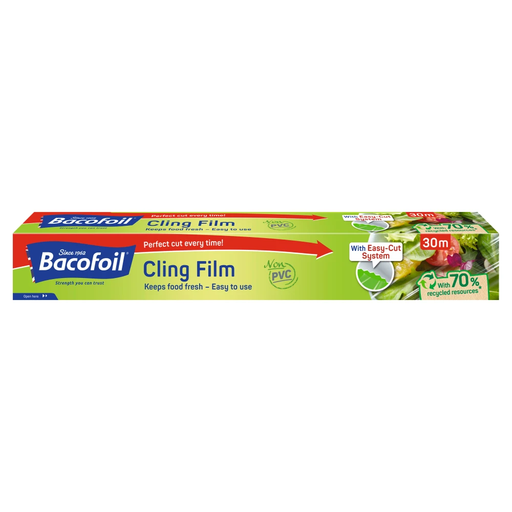
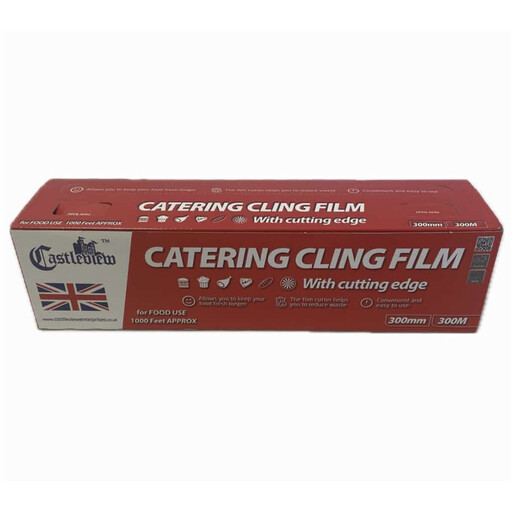
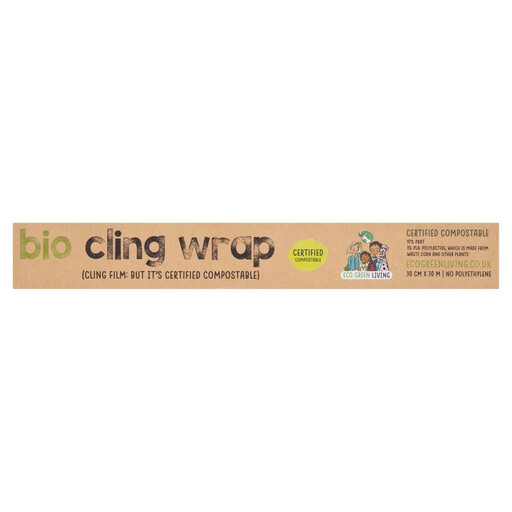
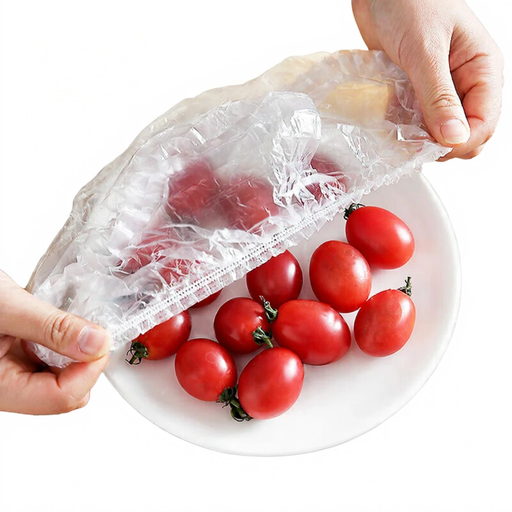
If the products above aren't quite what you're looking for, there are many other solutions available. From different roll sizes to specialised food wraps, you can find a product that fits your specific kitchen needs.
Explore our full range of plastic film and food coverings to find the perfect match.
In the UK and EU, all cling film sold for food use, including PVC-based film, must meet strict food safety regulations. These regulations control the types and amounts of substances that can migrate from the plastic to the food. However, it is generally advised not to let PVC film come into direct contact with very high-fat foods (like hard cheese, butter or fried meats) and not to use it in microwave or conventional ovens, as heat can increase the potential for migration. Many people opt for PVC free cling film for peace of mind.
Unfortunately, cling film is not typically recyclable through local council kerbside collections in the UK. Its thin, stretchy nature causes it to get tangled in recycling machinery. Some larger supermarkets have collection points for soft plastics, but you should always check the specific guidance for your local store or council, as policies can vary.
The primary differences are size, thickness and the dispenser. Catering cling film comes in much longer rolls (e.g., 300m) and is often wider and thicker (measured in microns) for greater durability in a professional kitchen. Domestic rolls are shorter (15-60m) and thinner. Catering rolls also frequently come in sturdier dispenser boxes, sometimes with a slide cutter for faster, safer use.