People carrying their archive between homes
If you need the letters at either address, a compact drive powered through its USB connection avoids having to use a separate mains adaptor. Check the exact drive and cable before packing.


Choose a USB-powered portable drive if the scanned letters need to travel with you; consider a portable SSD if it will be carried and handled frequently, or a desktop HDD if a larger, mainly stationary archive matters more. Check the connector and formatting against the computer you will use, and keep another copy in a separate safe location: no single drive should be the only copy of the letters.
If you need the letters at either address, a compact drive powered through its USB connection avoids having to use a separate mains adaptor. Check the exact drive and cable before packing.
Letters containing addresses, financial details or family information call for a plan to restrict access if the drive is misplaced. Consider how you will set up protection and keep its password or recovery details safe.
If photographs and other records will join the scanned letters, allow for the collection to grow. The National Cyber Security Centre advises keeping a backup in a separate safe location, so capacity on one drive is only part of the plan.
Choose it when: the archive must travel and USB-powered storage meets your capacity needs.
Allow for: a mechanical drive that needs careful packing; do not make it the only copy.
Choose it when: you expect to carry and connect the archive repeatedly during the move.
Allow for: resistance claims that apply to particular models and test conditions, not a guarantee against damage or lost files.
Choose it when: you will mainly keep a growing household archive at one address.
Allow for: a power adaptor and a less convenient drive to use between temporary locations.
| Concern | What to check | Who this matters to |
|---|---|---|
| Keeping another copy | Plan a separate safe location for a second copy, and open sample files to check they can be read. | If these letters would be difficult to scan again, I need a recoverable copy even if the moving-day drive is lost or fails. Around 36% of consumers put backup resilience first. |
| Carrying the drive | Check whether it runs from USB or needs mains power; assess any resistance claim for the exact model. | When I will take the archive between addresses, I want a drive I can pack and connect without relying on a spare power socket. For around 29% of consumers, portability is the primary concern. |
| Room to grow | Measure the current folder and choose an exact capacity that leaves room for the other records you intend to add. | My letters may become part of a larger collection of household records, so I need room to add files without changing the archiving routine. Growing capacity comes first for around 21% of consumers. |
| Access and compatibility | Check computer ports, filesystem requirements and whether sensitive letters warrant password protection or encryption. | If I need to open the archive on a particular computer, or worry about someone finding the drive, connection and access settings shape my choice. Around 14% of consumers prioritise those checks. |
A drive can fail, be misplaced or be affected while connected to a compromised computer. The National Cyber Security Centre defines a backup as a copy kept in a separate safe location.
Keep another copy elsewhere, check that sample files open, and disconnect backup media when it is not in use.
If the only copies disappear, recreating the scans may take considerable time or may not be possible.
Formatting requirements can interrupt access to the letters. Toshiba says Canvio Basics is formatted for Windows and needs reformatting for macOS; Seagate says Time Machine use with Expansion Portable may require reformatting.
Check the exact model, cable and filesystem before buying. Keep a verified copy elsewhere before changing a drive’s format, because reformatting can erase files.
Samsung’s T7 Shield resistance and drop claims describe model-specific tests. Samsung says liquid, dust and drop damage are not covered under its warranty.
Read the conditions for the exact model, pad the drive while moving it and retain a separate copy of the archive.
A misplaced drive may contain addresses, financial details or other personal information. Protection matters most when those contents would be sensitive to disclose.
Assess the letters you are storing, consider encryption or password protection where appropriate, and keep passwords or recovery details separately and securely.
Canvio Basics is a portable HDD line to consider when a USB-powered drive suits the move.
The Expansion line offers a portable HDD for carrying files and a desktop HDD for a more stationary archive.
My Passport Ultra is a portable HDD line for buyers considering USB-C connection and manufacturer-provided access-protection features.
T7 Shield is a portable SSD line to examine when the archive will be carried frequently.
These portable HDD and SSD choices suit carrying a scanned-letter archive between locations. Compare the stated capacity and connection against your computer, then arrange a separate copy before the move.
 No image available
A portable SSD to consider if you will carry the letters between addresses.
1 TB; USB 3.2 Gen 2. Check the computer’s connector and filesystem requirements, and retain another copy of the archive.
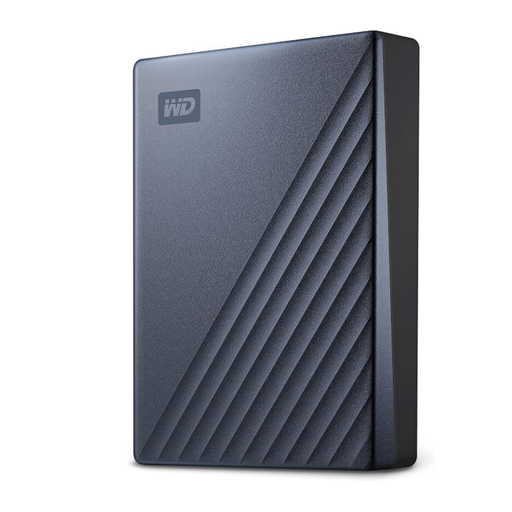 No image available
A portable HDD to consider if the letters will join a larger household archive.
5 TB. Check the formatting and connection needed for your computer, especially before moving an archive between Windows and macOS.
 No image available
A portable HDD for taking scanned letters between homes when 2 TB fits the planned archive.
Check the connector and operating-system setup for the computer that will open the files. Carry the drive carefully and keep a second copy.
 No image available
A portable SSD to assess if the archive needs to move between the devices you use.
1 TB; USB 3.2 Gen 2. Confirm the required cable and filesystem before copying the letters, particularly if you intend to use more than one device.
 No image available
A portable SSD to consider if you want to carry a 2 TB scanned-letter and household-record archive.
Confirm its connector, filesystem and compatibility with your computer before buying; keep the files backed up separately.
Choose a portable HDD if USB-powered storage and the capacity of the exact model meet your needs; consider a portable SSD if you will carry and handle the drive frequently. Check any resistance claim against that SSD’s test conditions, and keep a separate copy whichever format you choose.
Measure the current archive folder, then allow room for future scans and any other household records you intend to store. Buy by the capacity of the exact version rather than the maximum advertised for its product line.
Consider encryption or password protection if the drive contains personal information and might be misplaced during the move. The Information Commissioner’s Office describes encryption as a security measure chosen according to the nature and risks of processing; it does not make every household archive a reason to buy one particular encrypted drive. Keep the password or recovery details secure and separate.
Open sample files, retain another copy in a separate safe location and disconnect backup media when it is not in use. The National Cyber Security Centre also advises checking that a backup can be restored rather than relying on a completed copy operation alone.
Check the exact drive’s filesystem and your intended software workflow before copying the archive. Toshiba says Canvio Basics needs reformatting for macOS, while Seagate says Expansion Portable may need reformatting for Time Machine; preserve another verified copy before reformatting because that process can erase files.