Frequent capture editors
If you often move recordings into an editor or work with large capture files on the external drive, consider an SSD. Check the workstation’s USB connection before relying on a quoted drive speed.


Choose a portable SSD if you regularly move or edit large game captures and your workstation has a suitable USB connection. A portable HDD suits an archive of completed recordings when capacity matters more than transfer speed. Size either drive around your own recordings, test the connection before recording directly to it, and keep a separate copy of footage you cannot replace.
If you often move recordings into an editor or work with large capture files on the external drive, consider an SSD. Check the workstation’s USB connection before relying on a quoted drive speed.
If you mainly keep completed recordings and rarely move large batches of files, capacity may matter more than transfer speed. Measure your own capture files before deciding how much space to buy.
If footage would be difficult to recreate, plan for a separate copy whichever drive type you choose. A multi-drive resilience setup needs compatible hardware and does not turn one external drive into a backup.
For game captures on a home workstation, decide whether active file work, archive space or preservation is your primary need; a separate-copy plan still matters with either an SSD or an HDD.
| Concern | What to check | Who this matters to |
|---|---|---|
| Moving and editing files | Check the workstation’s USB port and cable against the drive’s connection requirements. Test a typical recording and file transfer rather than relying on a quoted maximum speed. | If I move captures into an editor regularly, I need file transfers that work well on my actual PC. Roughly 40% of consumers put this active-workflow need first. |
| Archive capacity | Measure a representative capture made with your normal settings, then allow space for the hours you want to retain and for working files. | Keeping completed gameplay footage for longer matters more to me than moving it quickly. Around 30% of consumers prioritise that archive need. |
| Preserving captures | Plan a separate copy for important files. If considering Windows Storage Spaces mirroring, check that at least two extra drives are recognised as eligible physical disks. | I cannot easily recreate some recordings, so losing the drive must not mean losing my only copy. Approximately 30% of consumers make preservation their primary concern. |
Crucial quotes up to 2,100MB/s sequential reads for its X10 4TB, measured on a high-performance desktop, and says host capabilities and formatting can change the result. A USB-C-shaped connector alone does not establish the available throughput.
Check the drive, cable and workstation port together, then test a recording and transfer using your intended settings.
Capture sizes change with recording settings. OBS Project allows users to configure recording quality, encoder and output resolution, so another person’s file size may not reflect yours.
Record a representative session, inspect its file size and work out how many such sessions you want to keep, with room for exports and temporary files.
One external drive leaves you with one physical copy. Microsoft says Windows Storage Spaces offers mirroring to keep files available after a drive failure, but it requires at least two extra drives, and some USB enclosures or hubs can prevent drive eligibility.
Keep a separate copy of important captures, or confirm that every intended drive works in a compatible resilience setup before depending on it.
Reformatting can erase wanted recordings, while an old drive can still contain personal data.
Copy files you want to keep to another destination before reformatting. Sanitise a drive before sale or disposal and use an appropriate electrical-equipment recycling route.
The X10 portable SSD line is relevant to frequent capture transfers and active work with files. Crucial lists the 4TB X10 at up to 2,100MB/s sequential reads.
The P10 portable HDD line is relevant when a growing archive of completed recordings takes priority over quick file movement.
The T7 Shield portable SSD line offers a compact storage option; Samsung lists a 4TB model in its UK range.
Seagate’s One Touch range spans portable storage and desktop-oriented hubs, giving archive and desk-based backup arrangements different form factors.
These drives cover portable SSDs for moving or working with capture files and one portable HDD for keeping a larger archive. For direct recording, check the intended PC connection and test a representative session; none of these single drives replaces a separate copy of important footage.
 No image available
Consider this 1TB option for moving captures between tasks on a PC. Check that your workstation’s port and cable suit its USB Type-C 3.2 Gen 2 connection, and test before recording directly to it.
Plan the 1TB capacity around your own capture sizes and keep important recordings in a separate location.
 No image available
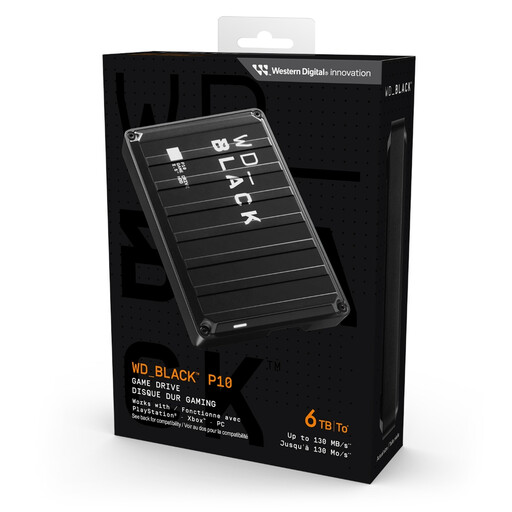
The 6TB P10 is an HDD option for retaining completed game captures when archive space is the main consideration. Measure your typical recordings to decide whether that capacity fits your retention plan.
If you intend to record straight to the drive, test its write performance with your workstation and capture settings rather than treating a quoted read speed as a recording result.
 No image available
This 2TB SSD is a portable choice if you move capture files and also need the PC compatibility named in the product title. Confirm that its format and connection suit your workstation workflow, particularly if you also use it with a console.
Test sustained recording on your PC before choosing it as a direct capture destination.
 No image available
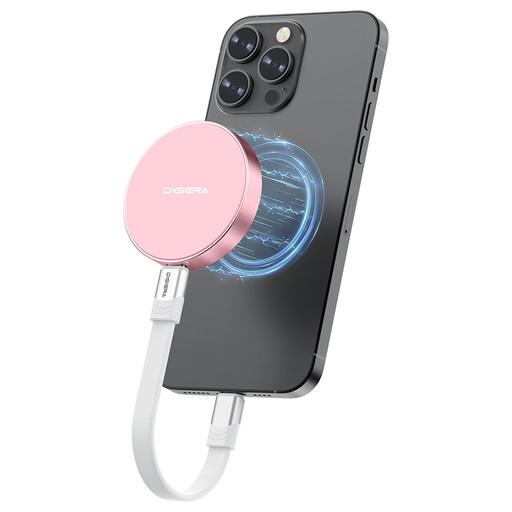
This USB 3.2 Gen 2x2 SSD is relevant if you want portable storage for moving large capture files. Its magnetic feature is aimed at other devices; for workstation use, check whether your PC supports the stated USB mode.
The title quotes transfers up to 2000MB/s, not a guaranteed result on your PC. Test your intended recording workflow and check whether 1TB meets your retention needs.
 No image available
Consider this USB 3.2 Gen 2 SSD if you want a portable 1TB drive for capture-file transfers between a PC and other compatible devices. Its magnetic accessories do not establish a benefit for a stationary workstation.
The product title quotes up to 1050MB/s reads and 1000MB/s writes. Check the PC connection and test sustained capture writing before relying on those maximums for recording.
Base capacity on a representative recording made with your usual settings, then allow for the hours you want to retain and for exports or temporary files. OBS Project lets you change recording quality, encoder and output resolution, so the file size from someone else’s setup may not match yours.
Yes, if the drive and your workstation connection handle your intended capture workflow in practice. Check the port and cable, then test a full-length recording and a file transfer before relying on the drive for an important session; a connector’s shape or advertised peak speed is not enough to decide.
OBS Project recommends MKV when an ungraceful stop is a concern because it says the whole file will not be corrupted by that interruption. You can remux the recording to MP4 afterwards when your editing or sharing workflow needs it.
Copy any captures you still want, sanitise the drive before sale or disposal, and use an appropriate electrical-equipment recycling route. The National Cyber Security Centre’s storage-media guidance covers both HDDs and SSDs; formatting alone should not be treated as a data-disposal plan.