
24/7 Customer Support

Free returns

Same-day & Next-day Delivery

Quality Guaranteed

Unlock Your Welcome Offers: FREE Delivery | Up to 80% OFF | Free 30-day JoyPlus trial
Download the APP
Dark circles, under-eye bags and tired-looking eyes can make even a well-rested face appear fatigued. However, choosing an eye cream is not simply a matter of selecting the product with the longest ingredient list or most dramatic claims.
The right choice depends on why the eye area looks tired, how your skin reacts to ingredients and whether you prefer a cooling gel, richer balm or lightweight cream. This guide explains the common buying traps, the specifications worth checking and which products may suit different UK shopping needs.
Dark circles may look brown, blue, purple or shadowed, and their appearance can be influenced by pigmentation, visible blood vessels, dehydration, facial structure or temporary tiredness. A brightening eye cream may help improve the look of dullness, while a hydrating eye cream can make dehydration lines appear less noticeable. Neither should be treated as a guaranteed solution for every cause.
Puffiness can also be temporary, particularly after sleep disruption, travel or extended screen use. Cooling applicators and caffeine eye cream formulas may provide a refreshing cosmetic effect, but they do not replace sleep, allergy management or professional advice where persistent swelling is a concern.
Premium packaging, unusual extracts and luxury textures can increase the price without making a product suitable for your routine. Compare the texture, size, applicator, fragrance and ingredient priorities before focusing on the brand name.
A 15ml eye cream may last several months because only a small amount is needed per application. A larger 20ml or 30ml tube may offer better value for frequent use, but only if the formula and texture suit you.
The eye contour is delicate. Fragrance, essential oils and some botanical extracts may not suit people with reactive or sensitive skin. Always check the current INCI list on the packaging, even when a product is described as natural, gentle or suitable for sensitive eyes.
UK cosmetic products should display required safety and ingredient information. Nevertheless, individual sensitivity varies. Patch-test where appropriate, avoid applying products to broken or inflamed skin and stop using a product if irritation develops.
For dehydration, look for hyaluronic acid, glycerin, panthenol or sodium hyaluronate. These help the skin retain moisture and can temporarily soften the look of fine lines.
For dullness and uneven-looking tone, ingredients such as niacinamide, vitamin C derivatives and selected botanical extracts may be relevant. Caffeine is commonly used in an eye cream for puffy eyes and tired-looking skin.
For an anti-ageing eye cream focused on fine lines and wrinkles, formulas may include adenosine, peptides, moisturising oils or skin-conditioning ingredients. These products improve the appearance and feel of the skin rather than altering its underlying structure.
Use a small amount around the orbital area, keeping the product away from the inner eye and mucous membranes. A rice-grain-sized amount per eye is generally sufficient for many creams, although the packaging directions should take priority.
If you wear contact lenses or have sensitive eyes, look for relevant ophthalmological or allergy-testing information, but remember that these statements do not guarantee personal tolerance. Check whether the product contains fragrance, alcohol or essential oils if these are known triggers for you.
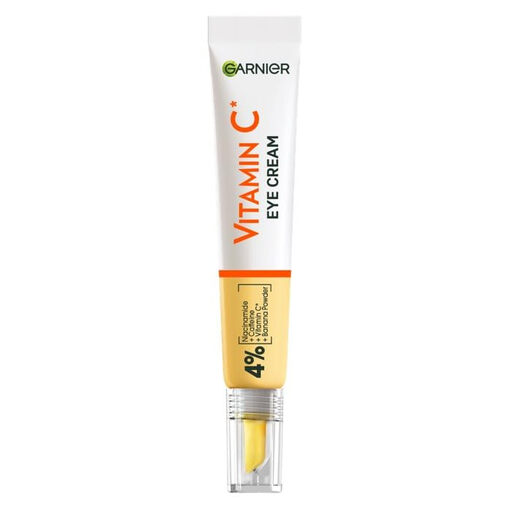
Why This Fits Their Persona: A straightforward starting point for shoppers wanting a brightening eye cream with a lightweight texture that can fit into a morning routine.
Its key ingredients are clearly identified, including vitamin C derivative, niacinamide and caffeine, rather than relying only on broad anti-fatigue wording.
4% highlighted active blend; powder-cream texture; ophthalmologically tested according to the supplied product information.
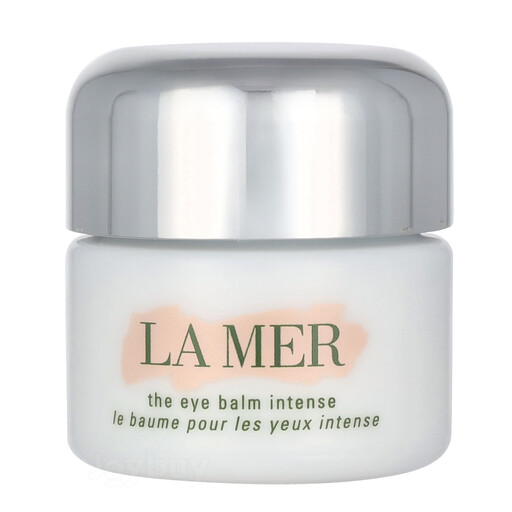
Why This Fits Their Persona: Suits shoppers prioritising a rich sensory experience, a balm texture and an applicator designed for a cooling massage.
The product format, applicator and texture are specified, allowing you to judge whether the premium presentation matches your preferred routine.
Silver-tipped applicator; caffeine and sodium hyaluronate listed; balm texture intended to condition and hydrate the eye area.
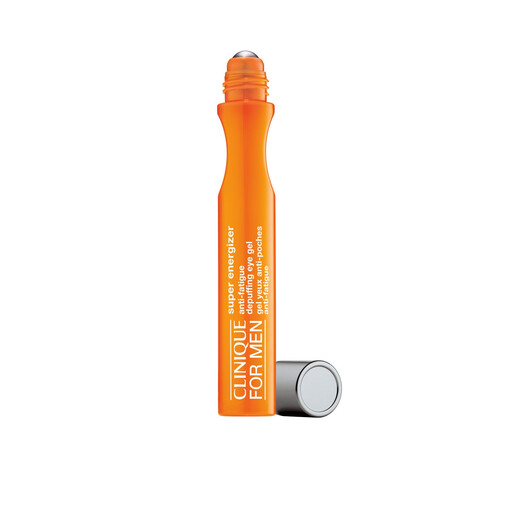
Why This Fits Their Persona: A practical choice for commuters, frequent travellers or men wanting a quick, low-maintenance eye gel for morning and on-the-go use.
The cooling roll-on and lightweight gel make the use case clear, without requiring a heavy cream or lengthy application ritual.
Fragrance-free and allergy-tested according to the supplied description; contains caffeine and hyaluronic acid; compact 15ml roll-on.
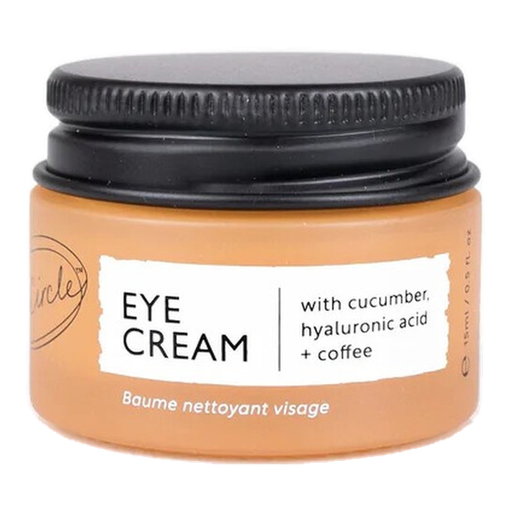
Why This Fits Their Persona: Suitable for shoppers who prioritise vegan formulations, recycled ingredients and UK-made skincare in a moisturising cream format.
Its ethical and packaging details are stated specifically, so shoppers can compare these practical criteria rather than relying on vague natural beauty language.
99% natural according to the supplied product information; vegan and cruelty-free; includes caffeine, cucumber and hyaluronic acid.
We have compiled a complete, real-time list of products that fully satisfy these strict selection criteria and UK safety regulations.
Hydration and cooling effects may be noticeable soon after application, while changes in the appearance of dullness or fine lines generally require consistent use. Follow the product directions and assess tolerance over several weeks. Results vary according to the cause of the concern and your wider skincare routine.
You can layer products, but it is not always necessary. A lightweight eye gel may suit the morning, while a richer eye balm can be used at night if your skin feels dry. Apply thin layers and stop if congestion, stinging or irritation occurs.
No. An eye cream is designed for targeted cosmetic care and does not automatically provide UV protection. Use a suitable facial sunscreen around the eye area as directed, taking care to avoid direct contact with the eyes.