
24/7 Customer Support

Free returns

Same-day & Next-day Delivery

Quality Guaranteed

Unlock Your Welcome Offers: FREE Delivery | Up to 80% OFF | Free 30-day JoyPlus trial
Download the APP
Choosing a face cleanser can seem straightforward until marketing labels such as “deep cleansing”, “pore detox” and “brightening” make similar products difficult to compare. The wrong formula may leave skin feeling tight, trigger discomfort or simply fail to remove sunscreen and daily build-up.
For UK shoppers, the practical choice is not necessarily the product with the longest ingredient list. It is the cleanser that matches your skin type, routine and tolerance for active ingredients.
A squeaky-clean sensation can indicate that a formula has removed too much surface oil. This may be uncomfortable for dry or sensitive skin, particularly in colder weather or in centrally heated homes. Look for humectants such as glycerin, hyaluronic acid or panthenol, and consider a cream, milky or low-foam texture if your skin feels dry after washing.
AHA, BHA, PHA, willow bark and salicylic acid can be useful considerations for oily or congested skin. However, using several exfoliating products at the same time may increase the chance of irritation. Check whether your toner, serum or treatment already contains acids before selecting an exfoliating face wash.
Fragrance, essential oils, alcohol and certain botanical extracts may not suit everyone. Product descriptions and ingredient lists can change, so check the packaging before use. Apply a small amount to a discreet area first if you are concerned about sensitivity, and stop using the product if redness, itching or persistent discomfort develops.
A gentle face cleanser should remove sweat, excess sebum and everyday dirt without leaving prolonged tightness. Amino-acid or amphoteric surfactants are often considered when shoppers want a milder cleansing feel, while foaming formulas may appeal to oily or combination skin.
A low-pH cleanser is generally designed to sit closer to the skin’s naturally acidic surface environment. This does not automatically make every low-pH formula suitable for every person, so texture and the full ingredient list still matter.
For pore care, look for clearly listed ingredients such as salicylic acid, willow bark or gentle exfoliating acids. These are cosmetic formulation features rather than guarantees of treating acne or preventing breakouts. If you are choosing an acne face wash, use it according to the label and avoid vigorous rubbing.
For dull-looking skin, fruit extracts, niacinamide or mild exfoliating ingredients may be appealing. Remember that a cleanser is rinsed off, so it should complement—not replace—a leave-on skincare routine and daytime sun protection.
If your skin is reactive, compare fragrance-free options and avoid assuming that “natural” means automatically milder. Ingredients such as glycerin, oat, panthenol, hyaluronic acid and allantoin can be useful features in a hydrating face cleanser. A product’s bottle size also matters: a 200–250ml format may be more convenient for regular household use, while a 100–150ml cleanser is easier to store or take away.
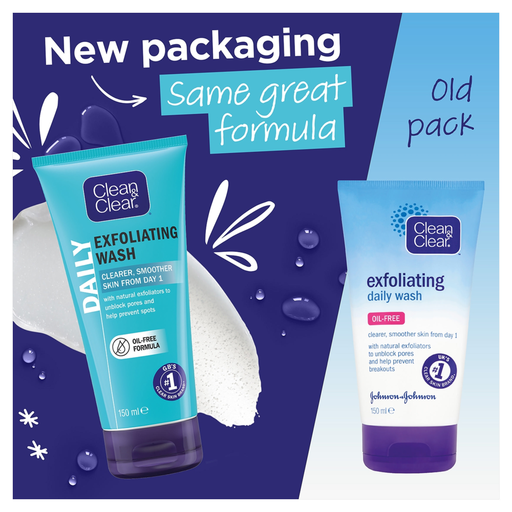
Why This Fits Their Persona: A straightforward daily face wash format for shoppers beginning to build a simple cleansing routine, with a 150ml size suitable for regular use.
Its ingredient list identifies natural exfoliators and lactic acid, making the exfoliating nature clearer than vague “pore detox” wording. It does contain alcohol and parfum, so sensitive shoppers should check compatibility.
Oil-free formula; includes glycerin and cellulose exfoliating particles.
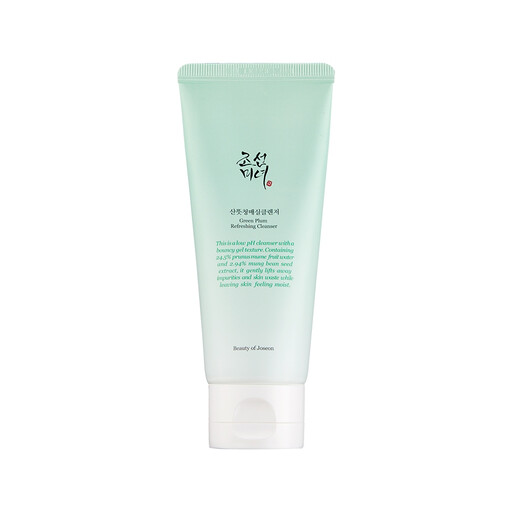
Why This Fits Their Persona: A Korean face cleanser for shoppers who prioritise a lightweight gel texture, a low-pH formula and a concise daily skincare routine.
The product information specifies its slightly acidic formula and named extracts, rather than relying only on broad barrier-care language.
Contains green plum water and mung bean extract; gel-to-foam texture.
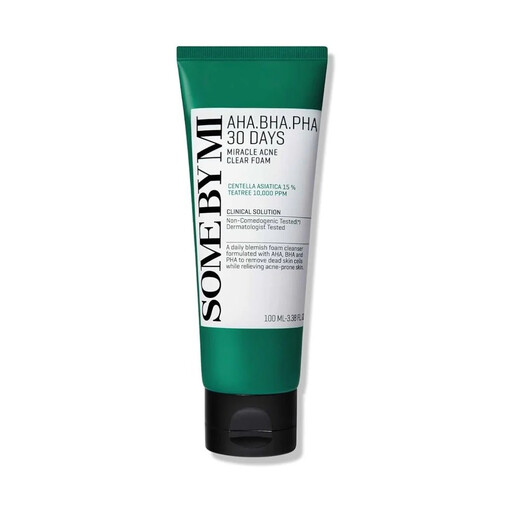
Why This Fits Their Persona: Suits shoppers focused on oily, congested or rough-feeling skin who specifically want an exfoliating face wash rather than a basic cleanser.
AHA, BHA and PHA are clearly identified, so buyers can account for the formula when planning other exfoliating products.
Triple-acid formula; includes centella, tea tree leaf water and calamine.
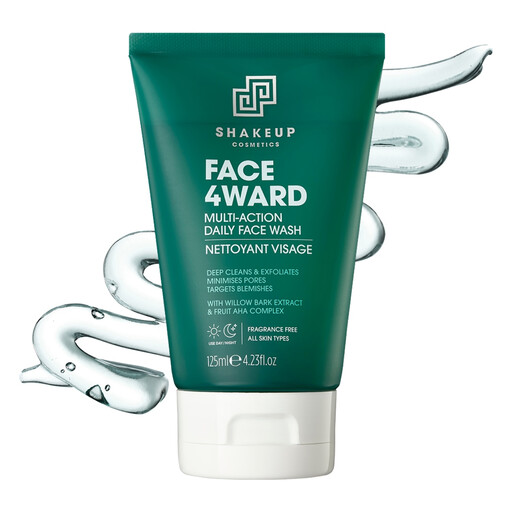
Why This Fits Their Persona: A men's face wash designed for morning and evening use, including after commuting, exercise or shaving.
The fragrance-free formula makes one common sensitivity trigger easier to avoid, while willow bark and fruit AHA are declared for shoppers wanting mild exfoliation.
125ml tube; contains Aquaxyl and a fruit AHA complex.
We have compiled a complete, real-time list of products that fully satisfy these strict selection criteria and UK safety regulations.
Many facial cleansers are formulated for morning and evening use, but frequency depends on the product and your skin’s response. An exfoliating face wash may need less frequent use if your routine already includes acids or retinoids. Always follow the product directions.
The terms are often used interchangeably. “Face wash” commonly describes a foaming or gel product, while “facial cleanser” can include milky, cream, oil or balm textures. The useful comparison is whether it removes your daily products and impurities without causing ongoing discomfort.
A 100–150ml cleanser may last several weeks to a few months, depending on whether it is used once or twice daily and how much is dispensed. Pump bottles can make portion control easier. Keep the container closed, store it away from direct sunlight and check the packaging for the latest shelf-life and storage guidance.