
24/7 Customer Support

Free returns

Same-day & Next-day Delivery

Quality Guaranteed

Unlock Your Welcome Offers: FREE Delivery | Up to 80% OFF | Free 30-day JoyPlus trial
Download the APP
Fermented foods and drinks can add sharp, savoury and refreshing flavours to everyday meals. However, product descriptions often use words such as “traditional”, “natural” or “probiotic” without making the practical differences clear. For UK shoppers, the important questions are usually simpler: What does it taste like? Does it need refrigeration? Which allergens are present? How much salt or sugar does it contain? And will the pack size suit regular use?
This guide explains the main buying pitfalls and highlights suitable options for different shopping habits, from an apple cider vinegar drink to sauerkraut, kimchi sauce and fermented tofu.
Fermentation describes a production process; it does not automatically mean that every product provides a particular health effect. Some kombucha drinks and probiotic drinks may contain live cultures, while others may be heat-treated or formulated primarily for flavour. Treat claims about digestion, immunity or “detoxing” cautiously, and view the ingredient list and nutrition panel before the marketing language.
Tangy drinks can still contain naturally occurring or added sugars. For example, the J.ZAO apple drink lists 7.1g of sugars per 100ml, while the Willy’s Blackcurrant Kombucha and Apple Cider Vinegar drink lists 4.5g per 100ml. Savoury products can also be high in salt: the supplied nutrition information for Liubiju fermented bean curd lists 2,800mg sodium per 100g, and fermented tofu is generally intended to be eaten in small portions.
A shelf-stable jar is convenient, but many products need refrigeration after opening. Sauerkraut may need to be used within a stated period once opened, while ready-to-drink products can require chilling and quick consumption. Asian fermented foods may contain soya, wheat, sesame, fish, crustaceans or alcohol, so always check the current UK label rather than relying on a product title.
Read the full ingredients panel, particularly when buying kimchi sauce, fermented bean curd or Chinese condiments. A kimchi product may include fish sauce, shrimp sauce, fermented soybean paste, wheat and sesame. This matters for people with allergies, vegetarians and vegans.
For a simpler ingredient profile, Baxters sauerkraut lists cabbage, water and salt, although the product information states that it may contain wheat gluten. By contrast, a fermented tofu product may include soya, wheat flour, alcohol, spices and food additives.
Compare products using the same reference quantity. Drinks are usually shown per 100ml, while sauces and fermented cabbage are commonly shown per 100g. Check:
Do not assume “no added sugar” means sugar-free: fruit juice can still contribute naturally occurring sugars.
A single bottle or jar may suit occasional use, while multipacks reduce the chance of running out but require sufficient cupboard or fridge space. Check whether the product is ready to eat, needs dilution or must be cooked.
For example, an apple cider vinegar drink can be served straight or mixed with sparkling water, whereas kimchi sauce is intended to be mixed with fresh vegetables. Frozen products such as kimchi-filled onigiri or dumplings need freezer space and must not be refrozen after defrosting.
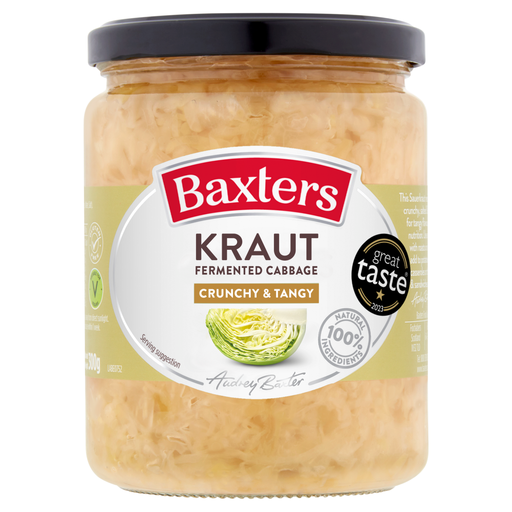
Why This Fits Their Persona: A straightforward entry point for shoppers wanting fermented cabbage without buying multiple speciality ingredients. Use it with sausages, roast meals, potatoes, salads or sandwiches.
The ingredients are clearly listed as cabbage, water and salt, making it easier to assess the product rather than relying on broad wellness wording.
480g format; 13kcal and 1.25g salt per 100g according to the supplied information; refrigerate after opening and use within one week.
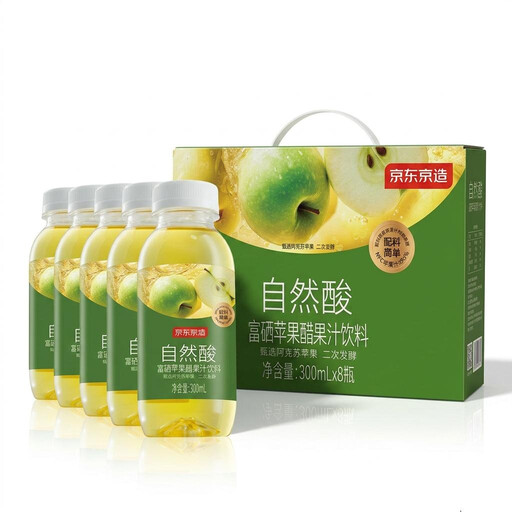
Why This Fits Their Persona: Suitable for shoppers who prefer a ready-to-drink fruit vinegar with a softer apple flavour rather than a concentrated vinegar used only in cooking.
The quantitative declaration states 95% NFC apple juice and 5% selenium-enriched apple cider vinegar, so the balance is clear.
Eight 300ml bottles; zero fat; 43kcal per 100ml; ready to drink or mix with sparkling water, tea or ice.
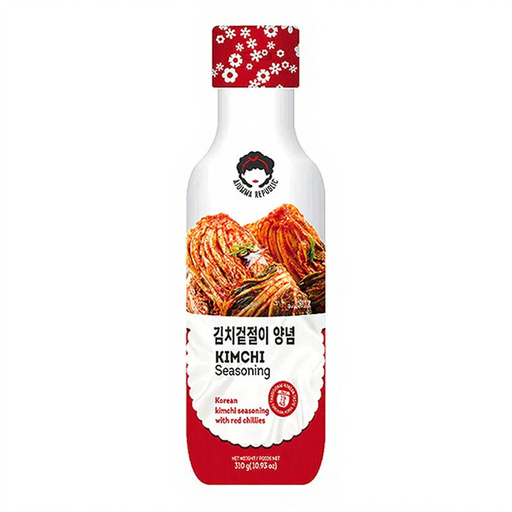
Why This Fits Their Persona: A practical shortcut for regular home cooks who want Korean-style fresh vegetable side dishes without preparing a complete kimchi seasoning mixture.
The suggested quantity is specific: two to three tablespoons for 200–300g of vegetables. The allergen list also identifies fish, shrimp, soya, wheat and sesame.
Ready-to-use sauce; suitable for cucumbers, carrots, radishes, wraps, rice and dipping; refrigerate after opening.

Why This Fits Their Persona: A small-portion Chinese condiment for shoppers exploring traditional fermented foods and savoury additions to porridge, steamed buns, rice or cooked dishes.
The product information clearly states soya and wheat allergens, a 340g net weight and refrigeration after opening. Its salt content is also listed at 8.75g per 100g.
Ready to eat; soft fermented tofu texture; useful as a rice, porridge or steamed-bun accompaniment; compact jar format.
We have compiled a complete, real-time list of products that fully satisfy these strict selection criteria and UK safety regulations.
Some products are specifically labelled alcohol-free, including the supplied Willy’s kombucha and apple cider vinegar drinks. However, formulations can change, so check the current packaging. Kombucha may also contain trace caffeine where tea is used.
Follow the label first. The supplied Baxters sauerkraut should be refrigerated after opening and used within one week. Fermented tofu products should generally be kept in a cool, dry place before opening and refrigerated once opened.
Not automatically. Kimchi sauce may contain fish sauce and shrimp sauce, while some fermented tofu products contain alcohol or other ingredients that may not suit every diet. Check the full ingredients list and allergen declaration before buying.