
24/7 Customer Support

Free returns

Same-day & Next-day Delivery

Quality Guaranteed

Unlock Your Welcome Offers: FREE Delivery | Up to 80% OFF | Free 30-day JoyPlus trial
Download the APP
Buying fish fillets online can be convenient, but product descriptions do not always tell the full story. A low price may reflect a large ice glaze, while “boneless” does not always mean every bone has been removed. Choosing between frozen fish fillets, fresh fish fillets, prepared portions and tinned options also depends on how you plan to cook and store them.
This guide explains the practical details to check before purchasing fish fillets, including pack weight, ingredients, storage, cooking instructions and suitability for different households.
Some frozen fish fillets include water or an ice glaze in the stated pack weight. For example, a 1kg pack may contain 800g of fish fillet plus ice. This affects the real cost per portion, so check both the total weight and the net fish weight.
Individually quick-frozen, or IQF, portions can be useful because they separate easily and reduce waste. However, an ice glaze may still be included to protect the fish from freezer burn.
Boneless fish fillets are processed to remove bones, but small bones may remain. This is particularly important for households serving children. Always read the safety wording, especially for products that state “although every care has been taken to remove bones, some may remain”.
Skinless fish fillets are easier to add to curries, soups and stir-fries, while skin-on salmon fillets can provide a firmer surface for pan-searing.
Plain white fish fillets usually give you more control over flavour and salt. Ready-to-cook fish products may contain marinades, starches, stabilisers, sauces or coatings. Check the ingredients if you have allergies to fish, wheat, mustard, soya, celery or milk.
Prepared products can save time, but their nutrition may differ considerably from plain fish. For example, a seasoned or battered product may contain more salt, fat and carbohydrate than unseasoned cod fillets or tilapia fillets.
Different fish suit different dishes:
If you want flexibility, plain skinless and boneless fish fillets are generally easier to season for different cuisines.
Look for the number of portions, the net fish weight and whether the product is raw, cooked, seasoned or coated. A 250g pack may suit one or two meals, while a 720g or 800g net pack is more practical for families and meal preparation.
Check whether thawing is required. Some frozen fish fillets can be cooked from frozen, while others need to thaw in the refrigerator first. Do not refreeze fish after it has thawed unless the packaging specifically permits it.
Frozen products should generally be kept at -18°C or below, according to their packaging. If the fish has thawed, do not refreeze it. Thaw raw fish in the refrigerator, use it within the stated timeframe and cook until it is opaque throughout and flakes easily.
Where instructions specify a temperature, follow them carefully. Several prepared products require the centre to reach at least 70°C, while some coated or poultry products specify 75°C. Keep raw fish separate from ready-to-eat food and wash hands, boards and utensils after preparation.

Why This Fits Their Persona: A practical choice for UK households wanting a larger frozen pack for curries, soups, frying and weekday meals.
The listing states both 1kg total weight and 800g net fish weight, making the ice allowance clearer before purchase.
Skinless and boneless; IQF portions; 15.5g protein per 100g as listed.
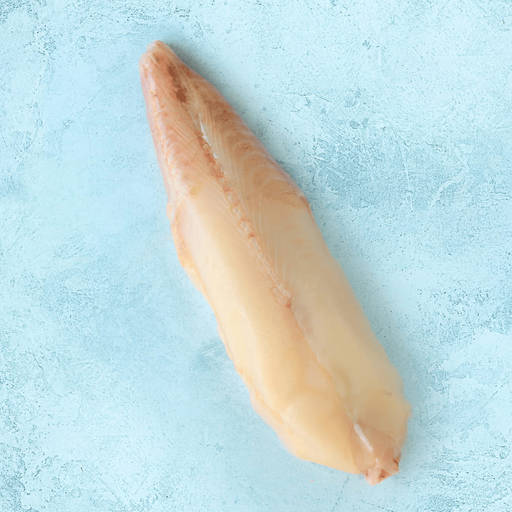
Why This Fits Their Persona: Suitable for shoppers planning a special meal and looking for a firm-textured fish from UK waters.
The listing identifies it as a whole, skinless fillet with the membrane removed and provides thawing and cooking guidance.
Wild caught from UK waters; 16.9g protein per 100g; suitable for roasting or pan-searing.
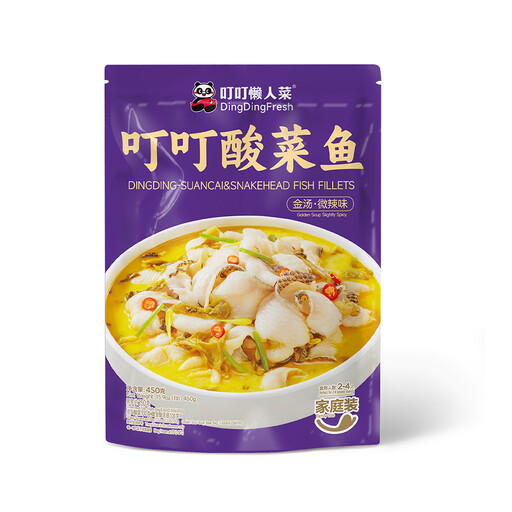
Why This Fits Their Persona: A convenient option for cooks who enjoy Sichuan-style sour and spicy fish without preparing the soup base separately.
The product is presented as a cooking-required prepared dish, with separate fish, pickled mustard greens and soup base bags.
450g pack; fish fillets listed at 55.5% of the fish bag; contains fish, celery and soya bean.
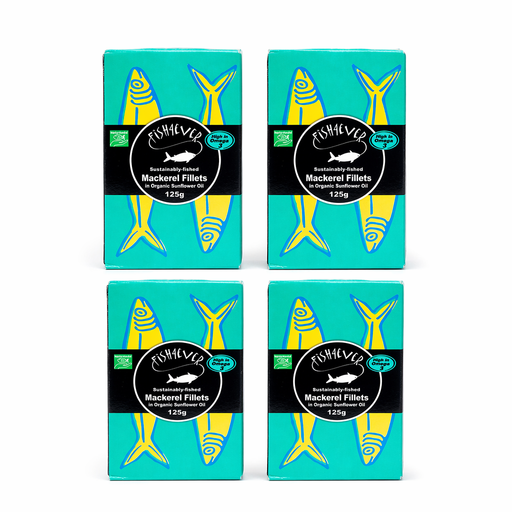
Why This Fits Their Persona: Handy for quick lunches, salads, pasta, rice dishes and cupboard-based meal planning.
The ingredients and nutrition panel clearly identify mackerel, sunflower oil and salt, rather than presenting it as plain fresh fish.
Four 125g tins; 25g protein per 100g as listed; stores in a cool, dry place before opening.
We have compiled a complete, real-time list of products that fully satisfy these strict selection criteria and UK safety regulations.
Frozen fish fillets can be a practical alternative when you need longer storage and predictable portions. IQF products can be removed individually, helping reduce waste. Fresh fish fillets may suit meals planned for the same day, but always follow the use-by date and refrigeration guidance.
Thaw frozen fish fillets in the refrigerator, ideally in a sealed container to prevent liquid contacting other food. Do not thaw raw fish at room temperature. Once thawed, cook within the period stated on the packaging and do not refreeze.
Skinless and boneless cod fillets, tilapia fillets and pangasius fillets are convenient mild options. Ready-to-cook fish with seasoning or coating can reduce preparation time, while plain fillets offer more control over salt, sauces and cooking style. Always check allergens and cook the product thoroughly before serving.