
24/7 Customer Support

Free returns

Same-day & Next-day Delivery

Quality Guaranteed

Unlock Your Welcome Offers: FREE Delivery | Up to 80% OFF | Free 30-day JoyPlus trial
Download the APP
Choosing flour sounds straightforward until a sponge collapses, bread turns dense or dumpling wrappers become difficult to shape. UK shoppers also face confusing terms such as plain flour, strong white flour, wholemeal flour, rice flour and gluten-free flour, each designed for different results.
Before adding a bag to your basket, watch for three common pitfalls:
Protein is a useful guide to how much structure a wheat flour can provide. Lower-protein flour is generally suited to tender cakes and biscuits, while higher-protein flour supports elastic doughs.
Read the ingredient panel rather than relying only on front-of-pack wording. McDougalls Supreme Sponge Flour includes raising agents and is formulated for sponge cakes. Vinh Thuan Dumpling Flour contains wheat flour, tapioca starch, baking powder and instant dry yeast, so it is a prepared blend rather than ordinary flour.
A specialist mix can reduce measuring for a particular recipe, but it may be less flexible than plain flour. If you are adapting a recipe, check whether it expects flour with or without raising agents.
For coeliac shoppers, “gluten-free” must be checked on the product label and used with careful kitchen hygiene to reduce cross-contact. Freee By Doves Farm Free From Gluten Plain White Flour is made from a blend of rice, potato, tapioca, maize and buckwheat. Its gluten-free self-raising version also contains raising agents and xanthan gum.
For Asian cooking ingredients, the texture depends heavily on the raw material:
Always check the allergen statement. Wheat-based products such as plain flour, bread flour, semolina and chakki atta contain gluten. Do not consume raw flour or dough; cook or bake it thoroughly.

Why This Fits Their Persona: A practical everyday option for UK households making cakes, pastries, sauces and other general recipes.
It is plain flour rather than a pre-raised blend, making it easier to follow recipes that specify the raising agent separately.
1.1kg pack; pre-sifted according to the product description; suitable for varied kitchen tasks.
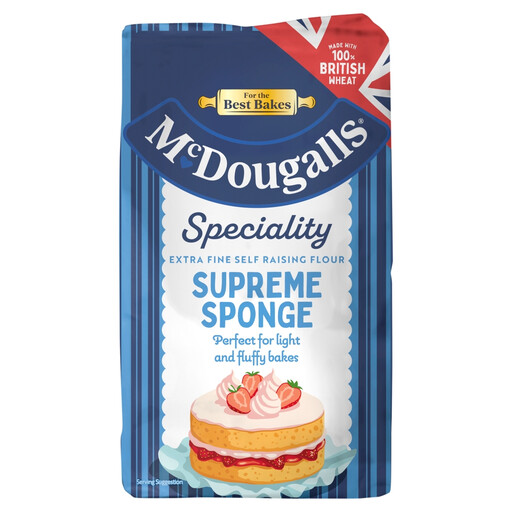
Why This Fits Their Persona: Designed for bakers who mainly make sponge cakes and want a fine, purpose-specific flour.
The product information clearly lists raising agents, helping prevent accidental duplication in sponge recipes.
Fine-texture sponge flour; includes wheat flour, calcium, iron, niacin and thiamine.

Why This Fits Their Persona: Suits regular bread makers seeking wholemeal flour for loaves with a more textured crumb and substantial dough.
The product is identified as wholemeal and very strong, rather than being presented as an all-purpose white flour.
Lists 13g protein and 11g fibre per 100g; suitable for bread recipes.
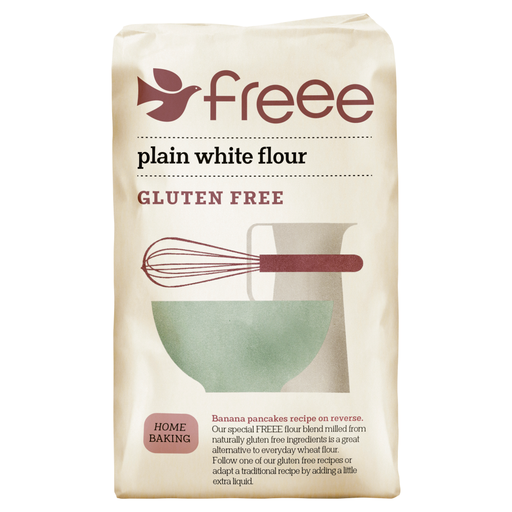
Why This Fits Their Persona: A practical choice for households avoiding wheat gluten in cakes, biscuits and other baking recipes.
The ingredients are listed as a rice, potato, tapioca, maize and buckwheat blend, rather than wheat flour.
Plain gluten-free blend; 1kg pack; suitable for adapting selected baking recipes.
We have compiled a complete, real-time list of products that fully satisfy these strict selection criteria and UK safety regulations.
Keep flour in a cool, dry cupboard and fold or seal the bag after opening. For starches such as potato starch and glutinous rice flour, an airtight container helps reduce moisture and clumping. Do not pour a new batch on top of an older one; use older stock first and check the best-before information on the packaging.
If you bake occasionally, a 500g pack of plain or self-raising flour may reduce waste. Regular bread makers may prefer 1kg or larger packs, while a 5kg bag of chakki atta suits households making flatbreads frequently.
They are broadly similar in everyday use, but recipes can vary by country and brand. In the UK, plain flour contains no added raising agents, so baking powder or bicarbonate of soda may be required depending on the recipe.
Choose bread flour or strong white flour for yeast-leavened loaves, pizza and bagels. Wholemeal bread flour can provide a more textured result, but the dough may need adjustments to liquid, kneading and proving times.
Glutinous rice flour is made from sticky rice and does not contain wheat gluten by definition. However, always check the product label and handling information, particularly when shopping for someone with coeliac disease or a wheat allergy.