
24/7 Customer Support

Free returns

Same-day & Next-day Delivery

Quality Guaranteed

Unlock Your Welcome Offers: FREE Delivery | Up to 80% OFF | Free 30-day JoyPlus trial
Download the APP
Frozen fish can make weekday cooking easier, reduce food waste and provide access to seafood that may not be available fresh locally. However, pack size, added water, preparation method and storage instructions can make products difficult to compare.
Whether you want to buy frozen fish online for family meals, stock up on frozen fish fillets or find Asian fish products for hot pot and soups, check the details below before adding anything to your basket.
A large-looking bag does not always contain the same weight of fish. Some products include an ice glaze to protect the fillets during freezing. This can be useful for reducing freezer burn, but the net fish weight is what matters when comparing value.
For example, a 1kg pack may contain 800g of fish plus ice. Always check whether the stated quantity is the total pack weight or the drained/net fish weight.
Some frozen fish fillets are plain and raw, while others are seasoned, battered, pre-fried or fully cooked. These require different preparation methods. A battered cod fillet may go straight into the oven from frozen, whereas raw monkfish should be thawed safely and cooked thoroughly.
Do not assume that “sashimi grade”, “roasted” or “seasoned” means the same thing across all products. Read the usage instructions and allergen information before cooking.
Even products described as boneless may carry a warning that small bones could remain. Seasoned fish and fish balls can also contain wheat, soya, egg, mustard or molluscs. This is particularly important for households managing food allergies.
Ingredients such as starch, stabilisers, sauces and salt can affect both texture and flavour. Plain frozen cod fillets, tilapia or pangasius may suit flexible recipes, while seasoned products are more convenient but less adaptable.
Compare net quantity, number of portions and the expected serving size. Individually quick-frozen pieces are useful when you want to remove only what you need. Larger blocks or chunk packs may offer practical value for family cooking, stews and hot pots.
Useful formats include:
Most products in this selection require storage at -18°C or below. Keep frozen fish fully frozen until needed, and avoid refreezing after thawing. Unless the packaging says otherwise, thaw in the refrigerator rather than at room temperature.
Some items can be cooked from frozen, while others should be thawed thoroughly first. After thawing, many products should be refrigerated and consumed within 24 hours. Follow the individual pack instructions because preparation and storage times vary.
Look at the ingredient list to understand whether you are buying fish alone or a prepared product. For example, Asian Star White Pangasius Fillet includes pangasius, water, salt, acidity regulators and a stabiliser, and states an 800g net fish weight within a 1kg pack.
Nutrition panels can also help you compare products. Plain fish often has a simpler ingredient list, whereas battered, sauced or seasoned items may contain more salt, oil or carbohydrate. This is not a reason to avoid prepared products; it simply helps you select according to your meal plan.
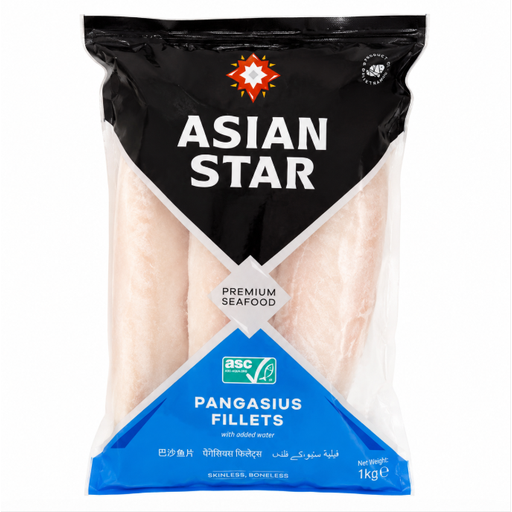
Why This Fits Their Persona: A mild, skinless and boneless option for households building a freezer supply for curries, frying, steaming and everyday meals.
The listing states both the 1kg pack size and 800g net fish weight, making the ice content clearer when comparing value.
Skinless and boneless; suitable for grilling, baking, frying, steaming, soups and curries.
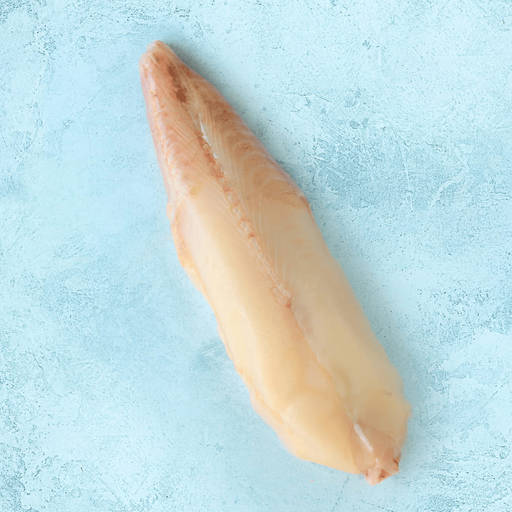
Why This Fits Their Persona: A single whole fillet for a special dinner, with a firm texture suited to roasting, pan-searing, pastry wrapping or stuffing.
The product details identify it as raw, skinless and membrane-removed, with clear thawing and cooking guidance.
Wild caught from UK waters; 200g whole fillet with cooking guidance for an internal temperature above 70°C.
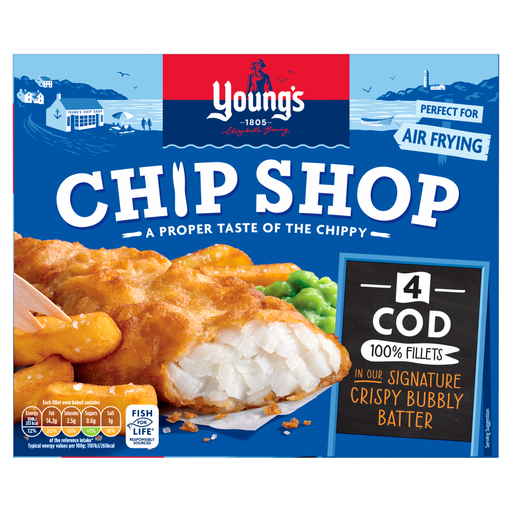
Why This Fits Their Persona: Four battered cod portions can simplify a midweek meal for families using an oven or air fryer.
The pack specifies four 100g-style portions, oven cooking from frozen and the fish, gluten and mustard allergens.
400g pack; oven-bake instructions at 220°C or fan 200°C for approximately 20–22 minutes.
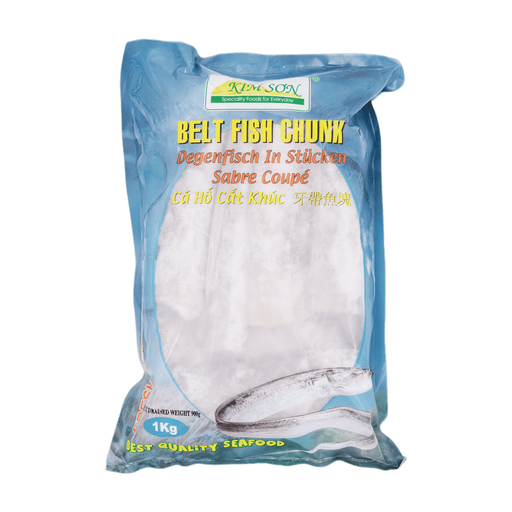
Why This Fits Their Persona: Pre-cut belt fish chunks suit cooks preparing Vietnamese, Korean or Chinese-style braises, hot pots and savoury sauces for several people.
The product is sold as pre-cut chunks, so less preparation is needed; the listing also clearly warns that small bones may remain.
Generous 1kg pack; suitable for pan-frying, braising, hot pot and ginger-soy-garlic sauces.
We have compiled a complete, real-time list of products that fully satisfy these strict selection criteria and UK safety regulations.
It depends on species, pack size, glazing and delivery costs. Frozen fish can reduce waste because it can be stored until needed, while a fresh product may need to be cooked quickly. Compare the price per 100g of net fish, rather than the headline pack price alone.
Some products are specifically designed for cooking from frozen, including certain battered fillets and fish balls. Others, such as monkfish, should be thawed in the refrigerator first. Always follow the product’s cooking instructions and ensure the centre is piping hot before serving.
Keep it at -18°C or below and follow the best-before date on the packaging. Quality can decline if food is exposed to temperature changes or freezer burn. Once thawed, do not refreeze unless the packaging specifically states otherwise.