Solo lunch shoppers
If one pack is intended to cover one lunch, compare its stated servings and weight with the amount you expect to eat. A sharing dish or multi-pack calls for a different calculation.


A frozen meal makes sense for lunch when its portion suits what you intend to eat and you can store and heat it as directed. Before choosing a single pack or a multi-pack, check the servings, cooking method and time available; ingredients and nutrition may also change which meal suits you.
The useful choice depends less on the range name than on where you will eat, how you will heat the food and how much of the pack you will use.
If one pack is intended to cover one lunch, compare its stated servings and weight with the amount you expect to eat. A sharing dish or multi-pack calls for a different calculation.
Check that the particular meal has microwave instructions and that its heating, stirring and standing steps fit your break. Access to a microwave does not make every frozen meal microwave-ready.
Read the exact meal’s ingredients, allergen declaration and nutrition information. A retailer’s range name does not tell you whether an individual recipe meets your requirements.
Start with the portion you will use, then check whether you can keep the meal frozen and prepare it during your lunch break.
| Priority | What to check | Your needs |
|---|---|---|
| Usable portion | Read the pack weight and stated servings. For a multi-pack or sharing dish, decide how many lunches you would actually make from it. | I’m shopping for one lunch, so I want to know whether I would eat the whole pack or keep some for another occasion. |
| Preparation | Check the exact cooking method, appliance setting and full instructions, including any stirring or standing time. Follow the packet directions and ensure the food is steaming hot throughout, as the Food Standards Agency advises. | My break may allow a microwave, but not a hob or steamer; the meal needs to fit the equipment and time I have. |
| Ingredients and nutrition | Compare nutrition per pack as well as per 100g, and read the ingredients and allergen declaration. Department of Health and Social Care guidance says traffic-light labels, where provided, help compare calories, fat, sugars and salt. | If I’ll eat the whole tray, I want its whole-pack figures. For an allergy or dietary requirement, I need to check this recipe rather than rely on the range name. |
| Frozen storage | Check the storage and cooking directions for the chosen meal, including whether it is cooked from frozen or requires defrosting. The Food Standards Agency advises following appropriate freezing and defrosting practices. | I need a way to keep the meal frozen until it is time to prepare lunch. |
A multi-buy requires taking more than one qualifying pack. That may leave you with meals you do not intend to use.
Decide how many packs you will eat before choosing an offer, and check its qualifying conditions.
Extra packs also need suitable freezer space until you use them.
A smaller tray, a 400g pack and a sharing dish do not necessarily provide the same number of lunches.
Read the weight and serving statement, then decide how much of that particular pack you would use at lunchtime.
Even a microwave meal may need stirring and standing time. The Waitrose Frozen Macaroni Cheese product information gives a microwave time of 7–9 minutes, depending on wattage, as well as further steps.
Check the chosen pack’s full instructions against the equipment and time available where you eat.
Recipes and declared allergens can differ between meals, even within one retailer’s frozen range.
Read the current pack’s ingredients and allergen declaration, and use its per-pack nutrition figures if you plan to eat the whole pack.
These retailer examples show different ways to browse for a frozen lunch; suitability still depends on the individual meal and its pack instructions.
Tesco’s frozen ready-meal category includes individual own-label meals.
Waitrose provides individual frozen-meal product information, including details for its Frozen Macaroni Cheese.
The M&S frozen ready-meal category includes smaller dishes and larger sharing formats.
Iceland has a frozen ready-meal category and a separate value-meal range.
These Joybuy options are frozen noodles, dumplings and dim sum for lunches where you have suitable cooking equipment. Check each pack’s servings and preparation instructions before treating it as one ready-to-eat lunch.
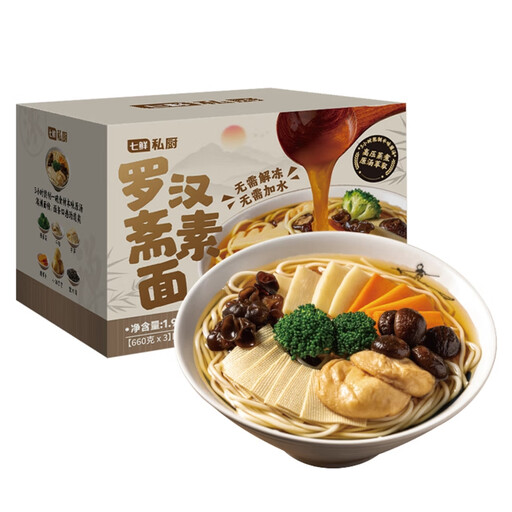 Image unavailable
For a lunch with access to boiling equipment, check the pack’s preparation directions before setting aside time to cook. This is a 1.98kg bundle of three 660g packs; check the serving statement to decide how much you would use for one lunch.
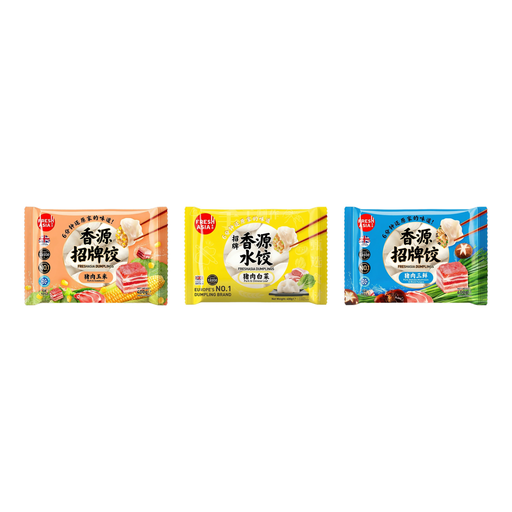 Image unavailable
This assortment contains pork and cabbage, pork and three vegetables, and pork and corn dumplings, with one 400g pack of each. If choosing a variety for lunch, check its cooking directions and how many servings you intend to use from its pack.
 Image unavailable
For a cooked dumpling lunch, make sure you have equipment and time for the method on the pack. Check the serving statement to decide whether the 400g pack matches the portion you intend to eat.
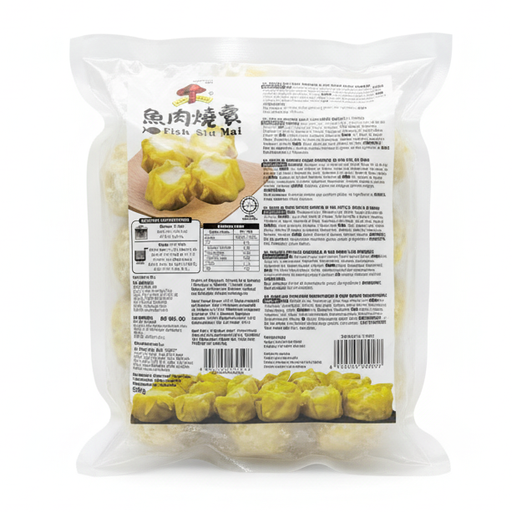 Image unavailable
Consider this frozen siu mai for a lunch where steaming equipment is available; follow the pack directions and allow for the full cooking process. Check its servings and current allergen declaration for the portion you plan to eat.
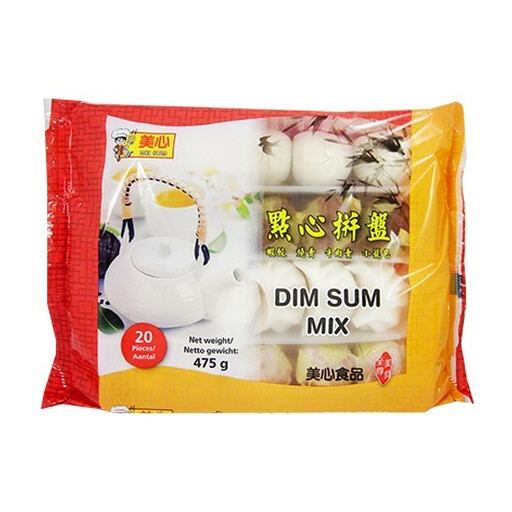 Image unavailable
This frozen dim sum selection may suit a lunch where you can steam food. Check the pack for the full cooking time and serving information before deciding whether the 475g platter fits your break and intended portion.
Not necessarily. Check the stated servings and decide how much of the pack you intend to eat; a sharing dish, a single tray and a multi-pack serve different lunch plans.
No. Follow the instructions for the exact meal rather than assuming a cooking method from its category. Waitrose gives microwave instructions for its Frozen Macaroni Cheese, but other products can require different equipment or steps.
Follow its packet instructions and make sure the food is steaming hot throughout, as the Food Standards Agency advises. Allow time for any stated stirring and standing steps rather than stopping when the appliance timer ends.
Check the current pack’s ingredients, allergen declaration and any dietary suitability statement for that exact recipe. Do this when switching products rather than assuming meals in the same range have identical ingredients.
Use the per-pack figures alongside the per-100g information so the comparison reflects the portion you intend to eat. Department of Health and Social Care guidance says traffic-light labels, where present, can help compare calories, fat, sugars and salt; read the ingredients and allergen information separately.