
24/7 Customer Support

Free returns

Same-day & Next-day Delivery

Quality Guaranteed

Unlock Your Welcome Offers: FREE Delivery | Up to 80% OFF | Free 30-day JoyPlus trial
Download the APP
A bag of frozen pork dumplings in the freezer is a promise of a quick, satisfying meal. Whether you crave the crispy bottom of a pan-fried gyoza or the soft, comforting chew of a boiled jiaozi, the convenience is undeniable. However, the freezer aisle presents a dizzying array of choices, and not all dumplings are created equal. Many shoppers find themselves disappointed by lacklustre fillings or wrappers that turn to mush.
As the Joybuy Product Recommendation Officer, my role is to help you navigate the market and find products that deliver on their promise. Let's look at the common pitfalls when you buy frozen dumplings online in the UK and how to choose a product that brings authentic flavour to your table.
A colourful package doesn't always guarantee a quality product. Here are a few frequent issues that can lead to a disappointing meal:
To avoid these traps, focus on the details on the packaging and product description. Here are the core parameters to analyse.
The most reliable indicator of a quality filling is the Quantitative Ingredient Declaration (QUID). This is a legal requirement in the UK that tells you the percentage of key ingredients. When looking for frozen pork dumplings, check the percentage of pork listed. A higher percentage generally suggests a more flavourful, meat-forward dumpling. Also, look for specific vegetables mentioned, such as in pork and chive dumplings, which indicates a more traditional and distinct flavour profile compared to a generic "vegetable" mix.
The dumpling's wrapper determines its texture. Most are made from wheat flour, water and salt, but the thickness and quality of the flour make a significant difference. This is also tied to the regional style of the dumpling:
Consider how you plan to cook them. If you love crispy pan-fry dumplings, a gyoza-style wrapper is an excellent choice. For soups or boiling, a classic jiaozi wrapper is more robust.
Look beyond the basic ingredients. The presence of ginger, scallions, sesame oil and quality soy sauce in the ingredients list points towards a more authentic and well-rounded flavour. Some Asian dumplings also include unique ingredients like shepherd's purse, dill or spicy kimchi, offering a more adventurous taste. Avoid products where flavour enhancers or salt appear at the very top of the list, as this can signal a less-than-fresh flavour profile.
Based on these criteria, here are a few recommendations tailored to different needs and preferences.

Why This Fits Their Persona: For those who grew up with homemade dumplings or seek a genuine taste, the pork and chive combination is a non-negotiable classic. This product focuses on delivering that specific, traditional flavour profile without unnecessary frills.
It avoids the "mystery vegetable" pitfall by clearly stating its core ingredients are pork and leek (chives). The flavour is distinct and authentic, not a generic mix.
Features a classic flavour combination that is versatile for boiling, steaming or pan-frying. The wrapper is a traditional jiaozi style, robust enough for various cooking methods.
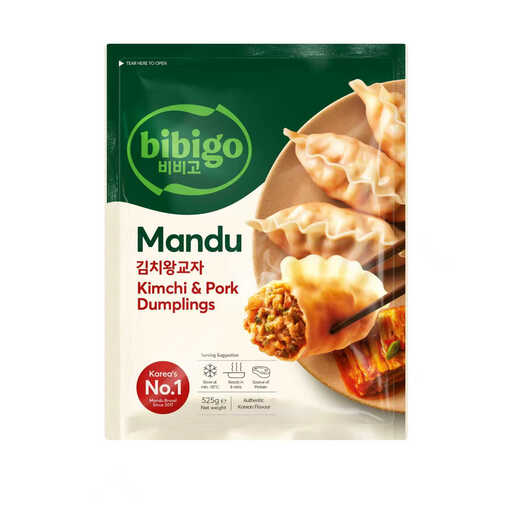
Why This Fits Their Persona: This is for the person who wants to explore bold flavours. The spicy, fermented taste of kimchi combined with savoury pork offers a complex and exciting alternative to standard fillings, characteristic of authentic Korean mandu.
It sidesteps flavour inconsistency by centering on a very specific and potent ingredient: kimchi (20%). This guarantees a tangy, spicy kick that is anything but bland.
The large mandu size means a generous filling-to-wrapper ratio. The thin, chewy wrapper is well-suited for both pan-frying to a crisp or steaming for a soft texture.
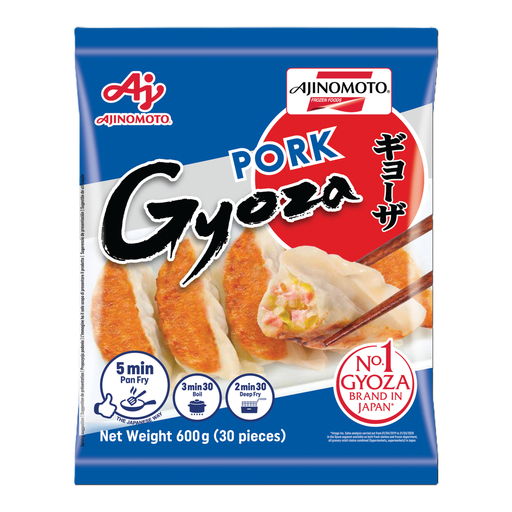
Why This Fits Their Persona: When cooking for a family, a crowd-pleasing flavour and good value are paramount. These Japanese-style pork gyoza have a mild, savoury pork and cabbage filling that appeals to all ages. The large 600g pack size offers great value for a family meal.
It avoids the wrapper dilemma by using a thin gyoza skin specifically designed for pan-frying. This ensures a crispy bottom and tender top, a texture that is consistently achievable.
The product is designed for a "no oil" pan-frying method, making it a convenient and slightly healthier option. The high vegetable content (31%) provides a balanced flavour.
We have compiled a complete, real-time list of products that fully satisfy these strict selection criteria and UK safety regulations.
No, in almost all cases, you should cook dumplings directly from frozen. Thawing them beforehand can make the wrappers sticky and prone to tearing. The cooking instructions on the package are designed for a frozen product, so following them will yield the intended texture.
While all are types of dumplings, there are subtle differences. Jiaozi are classic Chinese dumplings with a moderately thick, chewy wrapper, suitable for boiling, steaming or pan-frying. Gyoza are the Japanese version, typically smaller with a very thin skin, almost always pan-fried. Mandu are Korean dumplings that come in various shapes and can have fillings like kimchi or tofu alongside pork; their wrappers are often thin and silky.
The key is a two-stage cooking process often called the "fry-steam-fry" method. First, fry the frozen dumplings in a little oil until the bottoms are golden. Then, add a small amount of water (about 1/3 up the side of the dumplings) and cover the pan immediately to steam them through. Once the water has evaporated, you can fry them for another minute to ensure the bottom is extra crisp before serving.