
24/7 Customer Support

Free returns

Same-day & Next-day Delivery

Quality Guaranteed

Unlock Your Welcome Offers: FREE Delivery | Up to 80% OFF | Free 30-day JoyPlus trial
Download the APP
A plate of perfectly cooked Japanese pork dumplings, with their juicy filling and signature crispy bottom, is a true delight. It’s a taste of an authentic izakaya, right in your own kitchen. However, the freezer aisle can be a minefield. Many products promise a restaurant-quality experience but deliver disappointment. As a Joybuy Product Recommendation Officer, my role is to help you navigate the market and find products that are genuinely worth your money.
Before you make your next purchase, let's look at the common pitfalls that lead to a subpar plate of frozen pork gyoza and how to sidestep them.
Many of us have been there: you follow the cooking instructions to the letter, only to end up with a pan of torn, soggy dumplings. Often, the fault isn't with your cooking, but with the product itself. Here are the key issues to watch out for:
To avoid these issues, a quick check of the packaging and ingredients list can reveal a lot. Focus on these two non-negotiable factors.
A quality gyoza is all about the balance between the filling and the wrapper. The ingredients list is your best tool here. Look for products where pork and key vegetables (like cabbage) are listed high up, ideally making up a significant percentage of the total product (e.g., over 40-50% combined). A higher filling content means you are paying for the flavourful core, not just the starchy wrapper. The wrapper itself should be made from wheat flour, water and salt, without an excessive list of additives. This simple composition is what allows it to become thin and delicate when cooked.
Authentic Japanese pork dumplings get their flavour from a well-balanced blend of natural ingredients. Scan the list for seasonings like ginger, garlic, soy sauce and sesame oil. While flavour enhancers (like E621) are common, they shouldn't be the primary source of taste. A product that relies on a long list of chemical-sounding names over real food ingredients is likely masking a bland filling. This is the key difference between a genuinely satisfying dumpling and a generic pork potsticker UK imitation.
Based on these criteria, here are a few recommendations tailored to different needs and preferences.
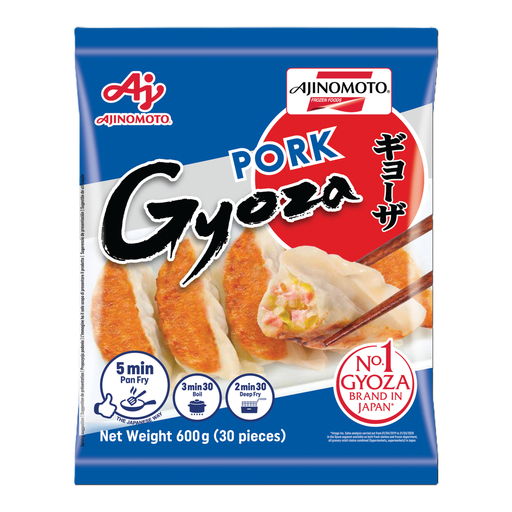
Why This Fits Their Persona: For the home cook who wants to replicate a genuine Japanese restaurant experience. They value brand heritage and a reliable, authentic flavour profile that doesn't cut corners.
It sidesteps the "flavourless filling" trap with a generous 31% vegetable and 19% pork content, seasoned with garlic, soy sauce, sesame oil and ginger. The wrapper is specifically designed for pan-frying, ensuring it crisps up beautifully.
From a well-regarded Japanese brand, these Ajinomoto gyoza offer consistent, reliable results. The cooking instructions are optimised for achieving the perfect crispy bottom and juicy top.

Why This Fits Their Persona: Ideal for busy professionals or families in the UK looking for a quick, satisfying and no-fuss dinner. They want a dependable, classic flavour that everyone will enjoy without any hassle.
This product tackles the "wrapper deception" head-on with a high 55% filling content, ensuring a satisfying bite. The classic pork and cabbage filling is a crowd-pleaser, avoiding the risk of an overly adventurous or bland flavour.
Made in the UK, these dumplings are highly versatile. The packaging provides clear instructions for boiling, steaming or pan-frying, making them suitable for various meal preparations.
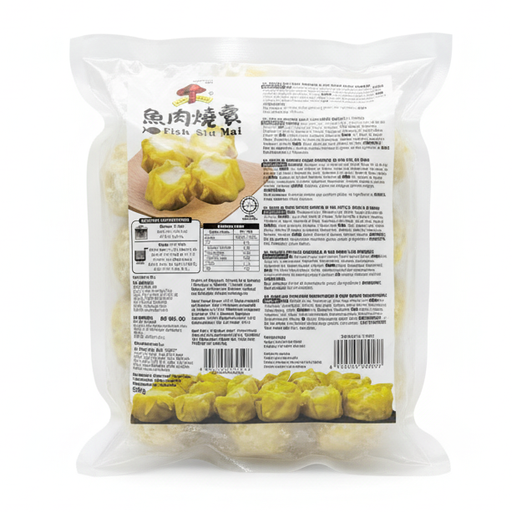
Why This Fits Their Persona: For those who love creating impressive sharing platters. They are likely buying gyoza and want another interesting, easy-to-prepare item to build a dim sum-style spread for guests.
While not a gyoza, this siu mai offers a distinct and savoury fish and mushroom filling, avoiding flavour fatigue. Its open-topped shape adds visual variety to a platter, making a spread look more appealing and thoughtfully curated.
These are steamed, not fried, offering a different texture to complement crispy gyoza. Being Halal-certified also makes them a considerate option for serving a diverse group of guests.
We have compiled a complete, real-time list of products that fully satisfy these strict selection criteria and UK safety regulations.
The most reliable method is a combination of steaming and pan-frying. Heat a little oil in a non-stick frying pan over medium-high heat. Place the frozen gyoza flat-side down and fry for about 2 minutes until the bottoms are lightly golden. Carefully add about 60-80ml of water to the pan (it will sizzle and steam) and immediately cover with a lid. Let them steam for 3-4 minutes. Finally, remove the lid and continue to cook until all the water has evaporated and the bottoms are deep golden-brown and crispy.
A classic dipping sauce is a must. A simple and delicious option is to mix equal parts soy sauce and rice vinegar, with a few drops of sesame oil or chilli oil for a kick. To turn it into a more complete meal, serve the gyoza with a side of steamed Japanese rice and a simple cucumber salad or a bowl of miso soup.
The terms are often used interchangeably, but there are subtle differences. Gyoza are the Japanese interpretation of Chinese jiaozi. "Potsticker" is a broader term for a type of pan-fried dumpling that gets its name from the way it sticks to the pan to create a crispy crust. Generally, gyoza tend to have thinner wrappers and a more finely minced filling compared to some of their Chinese counterparts. However, in the UK market, you will find both terms used for very similar products.