Interface-detail planners
Players who spend long sessions reading production chains, population data, build menus and overlays. A conventional 16:9 QHD layout is their starting point for comparing screens.


A 27-inch, 2560 × 1440 monitor is a practical starting point if you want room for colony-management menus in a conventional 16:9 layout. Consider a 34-inch, 3440 × 1440 ultrawide when horizontal viewing space matters more, provided it fits your desk and your PC can run games at that resolution. Check stand adjustment and the refresh rate available through your intended connection before choosing either format.
Players who spend long sessions reading production chains, population data, build menus and overlays. A conventional 16:9 QHD layout is their starting point for comparing screens.
Players who want more horizontal room for a settlement view and supporting windows, and have desk space for a 34-inch ultrawide monitor.
Players who mainly enjoy colony management but also care about smooth scrolling and camera movement in other games. Refresh rate and connection compatibility matter alongside resolution and desk fit.
Choose the screen format and native resolution first, then check how the monitor fits your desk and connects to your PC. A higher advertised refresh rate is useful only if the connection and PC can deliver the mode you intend to use.
| Concern | What to check | Who this matters to |
|---|---|---|
| Readable interface detail | Compare native resolution and aspect ratio: 2560 × 1440 at 16:9 or 3440 × 1440 at 21:9. Check that the screen size suits your desk. | When menus, production data and build controls fill the screen, I want enough room to follow them without choosing a wider format solely by its diagonal size. Around 31% of consumers put interface detail first. |
| Long-session desk fit | Measure desk width and depth; check stand adjustment, glare in your lighting and compatibility with any monitor arm. | For extended planning sessions, I need to position the screen comfortably at my desk rather than rely on its gaming specifications alone. Desk fit is the first concern for around 31% of consumers. |
| Smooth movement | Check refresh-rate limits by input, your PC’s display output and the required cable. Confirm adaptive-sync compatibility if you plan to use it. | If I also play games with frequent camera movement, I want a refresh mode my PC and connection can actually use. Around 23% of consumers place smooth movement first. |
| Panoramic viewing space | Check the desk footprint and your PC’s performance at 3440 × 1440; confirm how your games display at 21:9. | When I plan large settlements, I value a wider uninterrupted view enough to make room for an ultrawide screen. Horizontal viewing space comes first for around 15% of consumers. |
A 34-inch, 3440 × 1440 screen has a different shape and desk footprint from a 27-inch, 2560 × 1440 screen; the two formats are not interchangeable.
Measure the available desk space, decide whether you want 16:9 or 21:9, and check your PC at the intended native resolution.
Dell lists up to QHD 180Hz through DisplayPort but QHD 144Hz through HDMI for the G2725D. LG says the 27GS85Q-B’s 200Hz overclocked mode requires a compatible DisplayPort 1.4 graphics card and cable.
Check the monitor’s refresh-rate specifications for the input you will use, then compare them with your graphics output and cable.
Stand adjustment, mounting and room lighting affect where a monitor can sit. The Health and Safety Executive advises adjusting screens and lighting to avoid reflections and glare.
Check height and tilt adjustment, the VESA mounting pattern and desk depth before ordering. BenQ lists 100 mm height adjustment and 100 × 100 mm VESA mounting for the EX2710Q.
A separate monitor arm or a change to the desk layout may be needed if the supplied stand does not suit your setup.
Replacing a monitor also means deciding what to do with the electrical equipment it replaces. GOV.UK describes same-type waste-electrical take-back obligations for qualifying retailers and distributors.
Check the seller’s take-back arrangements before checkout, particularly if you need collection rather than an in-store option.
The G2725D is a reference point for a conventional 27-inch, 2560 × 1440 gaming monitor.
The UltraGear 27GS85Q-B provides a 27-inch QHD Nano IPS example for buyers comparing higher refresh-rate modes.
The Odyssey G5 LC34G55TWWPXXU illustrates the move from standard QHD to a 34-inch, 3440 × 1440 ultrawide layout.
The MOBIUZ EX2710Q combines a 27-inch QHD gaming format with positioning and connection features worth comparing for a shared gaming desk.
These choices include conventional QHD screens, a wider 34-inch ultrawide and a larger curved QHD option. Compare their stated formats with your desk and PC setup; a product’s place in this list does not make its screen shape or refresh rate right for every colony-management player.
 Image unavailable
Consider this conventional-size QHD screen if you also want to assess a high-refresh option for other games. The product title specifies a 27-inch OLED display and 240Hz; check the refresh mode available through your intended PC output and cable before relying on that figure.
 Image unavailable
Consider the ultrawide format if horizontal room for the game view is your priority and your desk can accommodate it. The product name specifies 3440 × 1440, a VA panel and 200Hz; check the refresh mode for the connection you intend to use and your PC’s performance at that resolution.
 Image unavailable
This is another conventional 27-inch QHD format to consider when interface detail and refresh rate both matter. The product title specifies 2560 × 1440 and 220Hz; check which input supports the mode you want, and whether the stand and screen finish suit your desk and lighting.
 Image unavailable
Consider this larger curved QHD screen if its physical size suits your viewing position; it is not the same shape as a 34-inch ultrawide. The product name specifies 2560 × 1440, 165Hz and 100 × 100 mm VESA mounting. Check the intended connection for 165Hz and confirm the stand adjustment you need.
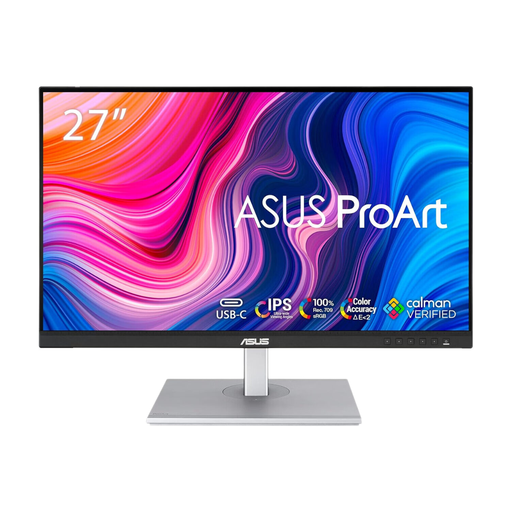 Image unavailable
Consider this QHD monitor if the screen will also serve a workstation and a gaming-focused refresh rate is not your main requirement. The product title states IPS and 100Hz; confirm the refresh mode available through your chosen input, along with the connections and adjustment options your desk requires.
Yes, if you want a conventional 16:9 layout with a 2560 × 1440 native resolution. Dell, LG and BenQ each list a 27-inch QHD model in their gaming ranges; compare the stand, ports and your PC’s capabilities rather than treating one refresh-rate figure as essential for colony management.
No particular refresh-rate target follows from the game category alone. If smooth movement in other games is important to you, check the modes supported by both the monitor input and your PC: LG, for example, requires compatible DisplayPort 1.4 hardware and cable for the 27GS85Q-B’s 200Hz overclocked mode.
Check desk space and PC performance at the monitor’s native resolution before choosing the wider layout. Samsung lists its 34-inch Odyssey G5 LC34G55TWWPXXU at 3440 × 1440 with a 21:9 aspect ratio and 1000R curve, making screen shape and viewing position as relevant as diagonal size.
Check whether you can position the screen and manage reflections in your actual desk setup. The Health and Safety Executive advises adjusting screens and lighting to avoid glare; monitor height adjustment and compatibility with an existing arm are practical checks before purchase.
Check the retailer’s waste-electrical take-back arrangements when ordering a replacement. GOV.UK describes same-type take-back obligations for qualifying retailers and distributors; ask the seller how its arrangement applies to your purchase and whether home collection is offered on different terms from in-store take-back.