For a conventional gluten-free cake, choose the flour or cake mix specified by the recipe rather than gluten-free pasta: pasta is made for cooking as a pasta dish, not for use as cake flour. Match plain or self-raising flour to the recipe’s raising agents, and, when baking for someone who must avoid gluten, check current ingredient labels and prevent cross-contact during preparation.
Who is this for?
Gluten-free cake bakers
If your recipe calls for gluten-free plain flour, self-raising flour or a cake mix, choose that baking ingredient rather than pasta. The flour format matters because the recipe may specify separate raising or binding ingredients.
People baking for someone with coeliac disease
Check that each ingredient meets the intended gluten-free requirement, then take care with storage and preparation. Coeliac UK advises keeping gluten-free ingredients separate from other ingredients.
Shoppers planning a pasta bake
If the dish is a savoury pasta bake, gluten-free pasta may be the ingredient you need. If it is a cake, look for the flour or mix named in the recipe instead.
What matters when buying?
| Concern |
What to check |
Who this matters to |
| Flour or mix format |
Match the recipe’s plain flour, self-raising flour or cake mix requirement. Keep any separately specified raising or binding ingredients. |
If I’m following a cake recipe, I need its specified flour or mix rather than a pasta shape. About 42% of consumers put matching the cake ingredient to the recipe first. |
| Gluten-free handling |
Check the current labels of all ingredients and keep them separate from crumbs and shared utensils during preparation. |
When baking for someone who must avoid gluten, I need to consider both the ingredients and what they touch in the kitchen. About 42% of consumers put gluten-free ingredient and preparation checks first. |
| Type of dish |
Decide whether the planned bake is a cake or a savoury pasta dish; check pasta cooking directions if it is the latter. |
If I’m making a pasta bake, I need pasta for that dish, not cake flour. About 16% of consumers put distinguishing the pasta meal from cake baking first. |
Mistakes to avoid
-
Treating gluten-free pasta as cake flour
Both products may contain rice or maize, but that does not give them the same use. Barilla describes its gluten-free penne as pasta for cooking and serving with sauces; Tesco Real Food’s gluten-free cake recipe uses flour and baking ingredients.
For a conventional cake, buy the flour or mix specified by the recipe. Save gluten-free pasta for a pasta dish.
-
Making a straight flour substitution in every recipe
Sainsbury’s Magazine notes that a single gluten-free flour rarely replaces wheat flour directly in recipes that depend on its structure. A cake recipe may specify other ingredients or adjustments alongside the flour.
Follow a gluten-free cake recipe or the flour pack’s adaptation guidance, retaining the ingredients the recipe calls for.
-
Relying on an old ingredient listing
The details on a previous listing may not match the pack you use. This matters particularly when an ingredient must meet a strict dietary requirement.
Read the current pack’s ingredient and allergen information before baking.
-
Forgetting cross-contact in the kitchen
Crumbs on equipment or in shared condiments can come into contact with ingredients during preparation. Coeliac UK advises separating gluten-free ingredients during storage and cooking.
Clean work surfaces and equipment, and use clean or separate utensils where crumbs could transfer.
Brands to consider for these ingredients
M&S Made Without Wheat
Its gluten-free plain flour is a baking option for recipes that call for plain flour.
- M&S describes a blend of rice and maize flour with potato starch.
- M&S’s description of light cakes and breads is its own product claim, not an independent result. Check the current pack information before use.
ASDA Free From
Its gluten-free plain flour is intended for home-baking recipes that specify plain flour.
- ASDA lists rice flour, potato starch and maize flour, and names fruit cakes among the product’s suggested uses.
- It is plain flour, so follow the recipe’s directions for any separate raising agent.
Sainsbury’s Free From
The home-baking range lists gluten-free flour in both plain and self-raising formats.
- The two formats let you select the one named by your cake recipe.
- Check the chosen pack’s current ingredients and allergen information rather than assuming the formats have identical contents.
Doves Farm FREEE
Its gluten-free plain flour blend is an option for recipe-led baking.
- The Tesco listing identifies rice, potato, tapioca, maize and buckwheat in the plain flour blend.
- The listing advises adding a little extra liquid when adapting a traditional recipe; follow the directions relevant to the cake you are making.
Barilla Gluten Free
This is a pasta range for meals, including savoury pasta bakes, rather than a cake-flour range.
- Barilla describes its gluten-free penne for serving with sauces.
- The dried pasta is not a direct replacement for the flour and raising ingredients in a conventional cake recipe.
Joybuy cake-baking ingredients
These Joybuy selections are gluten-free plain flour, self-raising flour and a chocolate cake mix. Choose the format your cake recipe calls for; the pasta-meal option is a separate purchase decision.
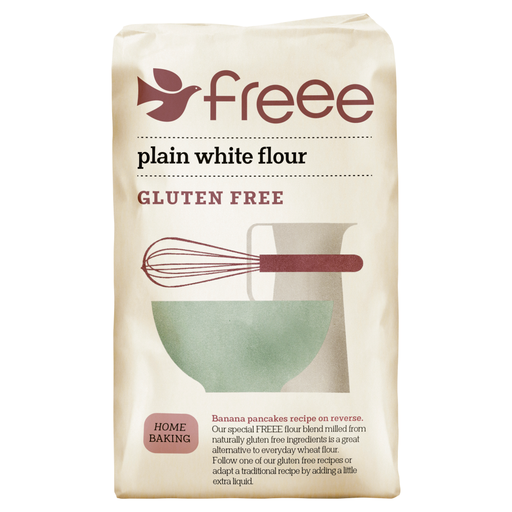 Image unavailable
Freee by Doves Farm Gluten-Free Plain White Flour, 1kg
For a cake recipe that specifies plain gluten-free flour. This is a 1kg plain flour product, not self-raising flour; follow the recipe for any separate raising agent and check the current pack for dietary requirements.
View on Joybuy
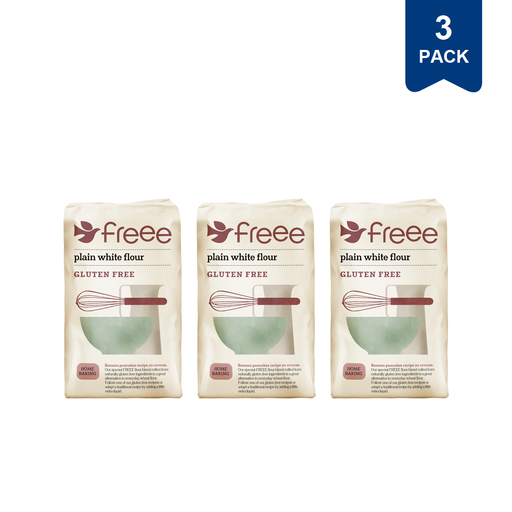 Image unavailable
Freee by Doves Farm Gluten-Free Plain White Flour, 1kg (3 Packs)
For recipes requiring plain gluten-free flour when you are considering the listed multi-pack. The title specifies 1kg and 3 Packs; confirm the pack count and total quantity before ordering, and follow the recipe for any separate raising agent.
View on Joybuy
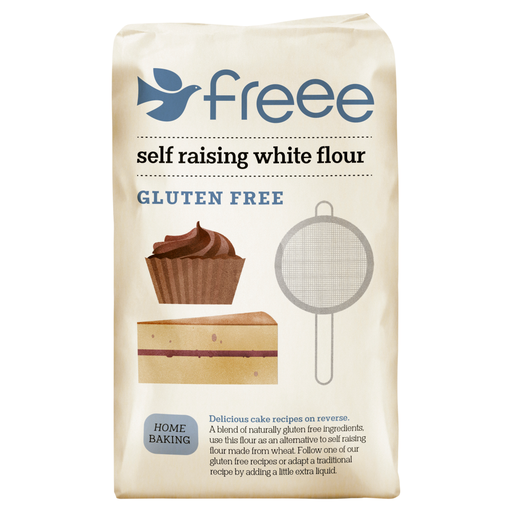 Image unavailable
Freee by Doves Farm Gluten-Free Self-Raising White Flour, 1kg
For a cake recipe that specifically calls for gluten-free self-raising flour. This 1kg product is a different flour format from plain flour; check the recipe before switching between them and read the current pack for dietary requirements.
View on Joybuy
 Image unavailable
Betty Crocker Devil’s Food Gluten-Free Cake Mix, 425g
For making the named chocolate cake rather than adapting a recipe that calls for plain flour. This is a 425g cake mix; check the pack for ingredients you need to add, preparation directions and current allergen information.
View on Joybuy
Common questions
Can I use gluten-free pasta instead of flour in a cake?
Not as a direct substitute in a conventional cake recipe. Barilla describes its gluten-free penne as pasta for cooking with sauces, while Tesco Real Food’s gluten-free cake recipe uses plain gluten-free flour and separate baking ingredients. Buy the flour or mix specified by your cake recipe.
Should I buy plain or self-raising gluten-free flour?
Choose the format named by your recipe. Use plain flour when the recipe specifies it and provides its own raising ingredients; choose self-raising flour when the recipe calls for that format. Switching between them changes the raising-agent balance.
What should I check when baking for someone who must avoid gluten?
Check the current gluten-free, ingredient and allergen information on every pack used in the cake. Then keep those ingredients separate from crumbs and shared equipment during storage and preparation, as Coeliac UK advises.
How can I reduce gluten cross-contact while preparing the cake?
Clean work surfaces and equipment, store gluten-free ingredients separately, and avoid utensils or shared condiments that may contain crumbs. Coeliac UK specifically points to separate boards and clean or separate knives and spoons where crumbs could transfer.


