
24/7 Customer Support

Free returns

Same-day & Next-day Delivery

Quality Guaranteed

Unlock Your Welcome Offers: FREE Delivery | Up to 80% OFF | Free 30-day JoyPlus trial
Download the APP
If you've ever tried to recreate the delightfully chewy texture of Japanese mochi or the soft, comforting bite of Chinese tangyuan at home, you know that the right flour is non-negotiable. Yet, a quick search for glutinous rice flour can leave you facing a confusing array of options. Many home cooks in the UK find their dessert-making dreams dashed by a simple purchasing mistake, resulting in dishes that are dense and crumbly instead of soft and sticky.
As the Joybuy Product Recommendation Officer, my role is to help you navigate these choices with clarity. We'll look at the common pitfalls that lead to disappointing results and wasted ingredients, ensuring you can confidently select the correct flour for your culinary projects.
Before you add any flour to your basket, be aware of these frequent mistakes that can derail your recipe before you even begin.
To guarantee success, focus on these key details on the packaging. They are far more important than marketing claims.
This is the most critical identifier. The word "glutinous" refers to the glue-like, sticky quality of the rice when cooked, not the presence of gluten. In fact, glutinous rice flour is a naturally gluten-free rice flour. This stickiness comes from a very high concentration of a starch called amylopectin. Regular rice flour is high in a different starch, amylose, which results in separate, fluffy grains. Always look for the words "Glutinous" or "Sweet Rice" on the front of the pack.
A pure, high-quality glutinous rice flour should have a very simple ingredients list: 100% Glutinous Rice. Some products may list "Sweet Rice" or "Rice," but the product name itself should confirm its glutinous nature. If you see wheat, corn or other grains listed, it is likely a blend or the wrong product entirely.
Consider the dish you are making. For many popular East and Southeast Asian desserts, a Thai rice flour is a versatile and reliable choice. It's the go-to flour for tangyuan, Filipino palitaw and Thai kanom tom. If a recipe specifically calls for "mochiko," it is referring to a Japanese-style mochi flour, which is also a type of sweet rice flour. For most UK home cooks, a quality Thai brand will deliver excellent results across a wide range of recipes.
Based on these practical criteria, here are our recommendations matched to different kitchen needs.
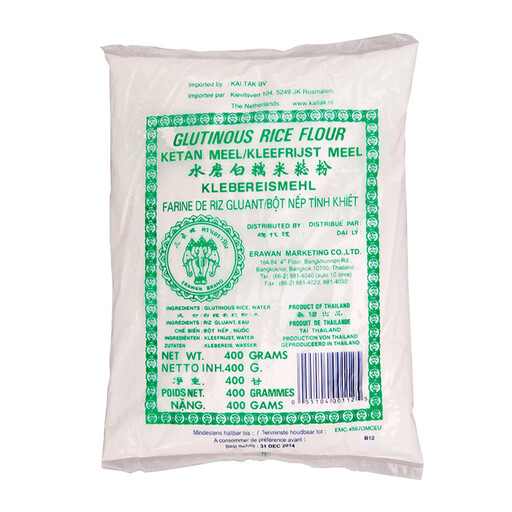
Why This Fits Their Persona: This is the essential ingredient for anyone in the UK serious about making authentic Asian desserts. It's specifically designed to produce the soft, chewy and sticky texture required for mochi, tangyuan and Thai sweets.
This product is clearly labelled "Glutinous Rice Flour" and contains only one ingredient: 100% glutinous rice. This eliminates any confusion with regular rice flour or other starches.
Its fine milling from a trusted Thai brand ensures consistent, lump-free doughs and the perfect soft, chewy texture for a wide variety of recipes.
To further prevent kitchen mishaps, let's clarify what other common flours are used for. These are not substitutes for glutinous rice flour.
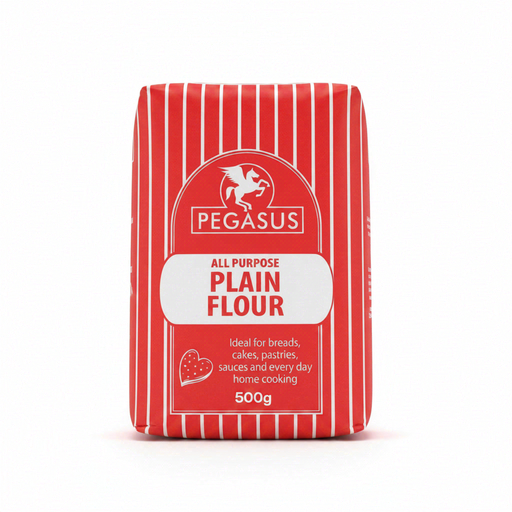
Commonly Mistaken For: A general-purpose flour that can be substituted for any recipe. Beginners might grab this thinking "flour is flour".
This is made from wheat and contains gluten. It creates a structured, airy crumb for cakes and bread, completely lacking the high amylopectin content needed for a sticky, chewy dough.
Ideal for traditional British baking: cakes, biscuits, scones and thickening gravies. It is not a substitute for any type of rice flour.
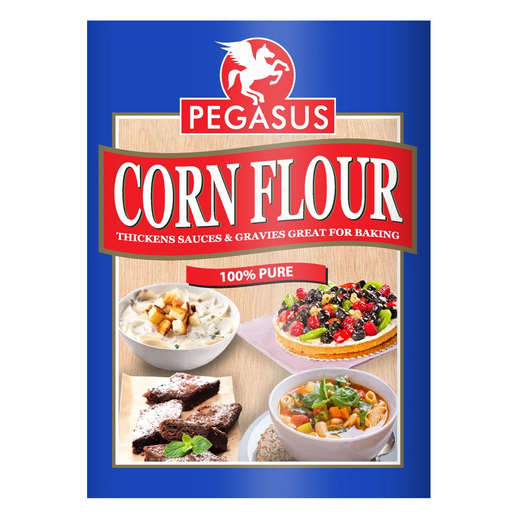
Commonly Mistaken For: Another fine white powder in the baking aisle. Its name (corn*flour*) can cause confusion for those unfamiliar with its properties.
This is pure corn starch. It dissolves in liquid to thicken it, creating a gel. It cannot be used to form a dough and will not produce the chewy, solid structure of a mochi or dumpling.
Excellent for creating smooth, glossy sauces, gravies and custards. It's also used to provide a light, crisp coating for fried foods.
We have compiled a complete, real-time list of products that fully satisfy these strict selection criteria and UK safety regulations.
Here are answers to a few more common questions UK shoppers have about glutinous rice flour.
Yes, for almost all culinary purposes, the terms "glutinous rice flour" and "sweet rice flour" are used interchangeably. Both are milled from glutinous rice (Oryza sativa var. glutinosa) and will give you the desired sticky, chewy texture. You may also see it labelled as sticky rice flour.
Absolutely. Despite the confusing name, glutinous rice flour contains no gluten. The term "glutinous" refers to its glue-like consistency when cooked. It is a safe and essential ingredient for many naturally gluten-free desserts and snacks from across Asia.
No, you cannot substitute normal rice flour for glutinous rice flour if your recipe requires a chewy texture. Normal rice flour, milled from long or medium-grain rice, lacks the high amylopectin starch content. Using it will result in a dense, crumbly and often unpleasant texture, and your recipe for mochi, tangyuan or rice cakes will fail.