
24/7 Customer Support

Free returns

Same-day & Next-day Delivery

Quality Guaranteed

Unlock Your Welcome Offers: FREE Delivery | Up to 80% OFF | Free 30-day JoyPlus trial
Download the APP
If you've ever tried to recreate the delightfully chewy texture of Japanese mochi, the soft filling of Chinese tangyuan, or the satisfying stickiness of a Thai dessert, you'll know that the right flour is non-negotiable. The key ingredient is glutinous rice flour, but a quick search or a trip down the supermarket aisle can present a confusing array of options. Many home cooks in the UK find themselves with a disappointing, crumbly result after accidentally picking up the wrong bag.
As the Joybuy Product Recommendation Officer, my role is to help you navigate these choices. We'll look at the common pitfalls that lead to wasted ingredients and failed recipes, and clarify what you really need to check on the label before you buy.
The "Rice Flour" Mix-Up: The most frequent mistake is buying standard 'rice flour' instead of 'glutinous rice flour'. They often sit side-by-side on the shelf, but they are milled from different types of rice and produce entirely different results. Regular rice flour creates a fine, slightly gritty texture that is good for light batters or noodles, while glutinous rice flour (also known as sweet rice flour) produces a uniquely sticky, chewy and elastic dough. Using the wrong one is the primary reason why homemade mochi or rice cakes fall apart.
The "Gluten" Misconception: The word "glutinous" can be misleading, especially for those on a gluten-free diet. Despite its name, glutinous rice flour is completely and naturally gluten-free. The term 'glutinous' refers to the glue-like, sticky consistency the flour takes on when cooked—it has nothing to do with the protein gluten found in wheat, barley or rye. This makes it an excellent option for coeliacs and others seeking a gluten-free rice flour for specific baking needs.
To ensure you get that perfect chewy texture for your flour for Asian desserts, focus on these two key factors.
The secret to the stickiness lies in the starch composition. Glutinous rice flour is milled from a specific variety of short-grain rice that is extremely high in a starch called amylopectin. This is what gives it its characteristic sticky, binding quality. In contrast, regular rice flour is made from long-grain rice, which is high in a different starch called amylose. Amylose results in a fluffy, separate grain when cooked, which is why it cannot create the chewy texture needed for desserts like mochi. Always check that the packaging specifies "glutinous rice" or "sweet rice."
For those looking to perfect their craft, the milling method can make a noticeable difference.
Instead of a generic list, we've matched our recommendations to specific needs, helping you find the right product for your kitchen.
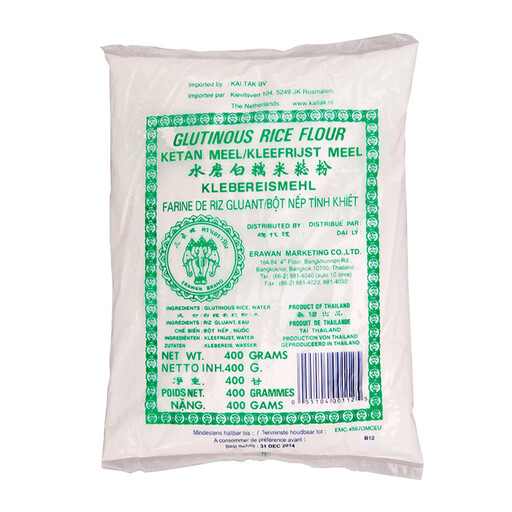
Why This Fits Their Persona: If you're just starting your journey with Asian desserts, this Thai brand is a reliable and widely trusted all-rounder. It provides the authentic texture needed for a huge range of recipes without requiring you to hunt for a specialist product.
The clear labelling as "Glutinous Rice Flour" and an ingredient list of "Glutinous Rice (100%)" ensures you are not accidentally buying standard rice flour.
A versatile, high-quality flour milled from premium glutinous rice that delivers consistent, chewy results for everything from tangyuan to palitaw.
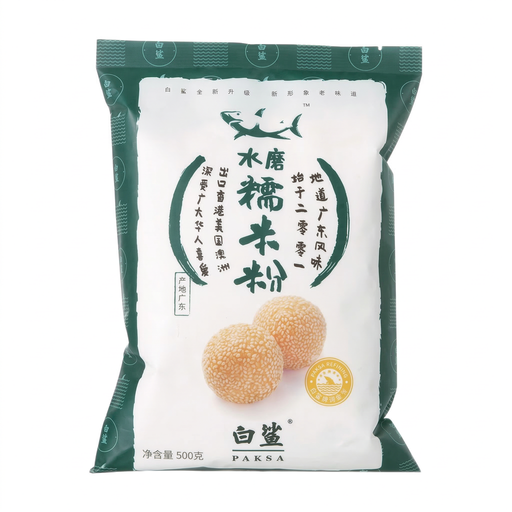
Why This Fits Their Persona: For the home cook who obsesses over texture, the wet-milling process used for this flour is a significant upgrade. It's for those aiming to create exceptionally smooth and delicate desserts where a silky mouthfeel is paramount.
This product moves beyond the basic choice by highlighting its superior milling process. The "Water-milled" description signals its suitability for high-end dessert making.
The fine, smooth texture from wet-milling produces a noticeably softer and more elastic dough, ideal for premium mochi, tangyuan and rice cakes.
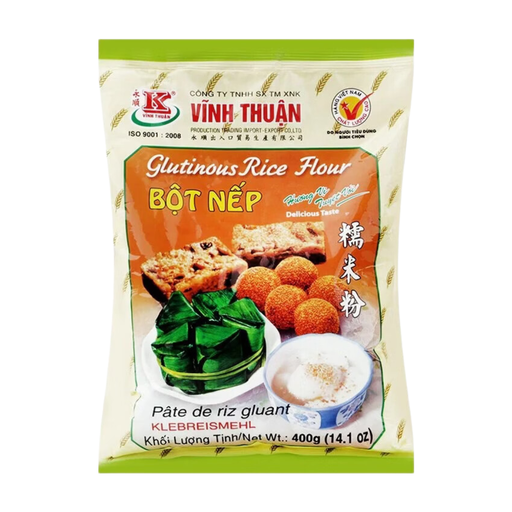
Why This Fits Their Persona: If you are following a specific Vietnamese recipe that calls for bot nep, this is the product for you. It removes any doubt about authenticity, giving you confidence that you're using the correct ingredient for dishes like *chè tr?i n??c* or *bánh dày*.
By using the specific Vietnamese term "Bot Nep" on the packaging, it directly addresses cooks looking for that exact ingredient, clearing up any potential confusion with other flours.
This flour is specifically marketed for traditional Vietnamese cooking, ensuring an authentic elasticity and tender bite for regional specialities.
We have compiled a complete, real-time list of products that fully satisfy these strict selection criteria and UK safety regulations.
No, they are very different. Glutinous rice flour (or mochi flour) is made from short-grain rice and becomes sticky and chewy when cooked. Regular rice flour is made from long-grain rice and has a lighter, non-sticky texture, making it unsuitable for recipes that require a chewy consistency.
No. It is naturally a gluten-free rice flour. The name "glutinous" describes its glue-like, sticky texture after cooking, not the protein found in wheat. It is a safe and popular choice for gluten-free baking where a chewy or binding quality is needed.
To maintain its quality, store it in a cool, dry place away from direct sunlight. After opening the package, it is a good idea to transfer the flour to an airtight container. This prevents it from absorbing moisture from the air, which can cause it to clump and may affect its performance in recipes.