
24/7 Customer Support

Free returns

Same-day & Next-day Delivery

Quality Guaranteed

Unlock Your Welcome Offers: FREE Delivery | Up to 80% OFF | Free 30-day JoyPlus trial
Download the APP
Bringing the experience of a high-end restaurant into your own kitchen often starts with one key element: exceptional ingredients. Yet, sourcing high-calibre seafood can be a challenge. The journey from the sea to your plate involves many steps, and finding a reliable supplier of gourmet frozen fish online requires a bit of know-how.
This guide is designed to help you navigate the options with confidence. We will outline what to look for when making a purchase and share some of our top recommendations, helping you select premium fish that can elevate your home cooking from everyday to extraordinary.
When you are looking to achieve restaurant quality fish at home, understanding a few key details can make all the difference. Here are three practical considerations for your next premium fish delivery.
Not all frozen fish is created equal. The method used to freeze the fish has a significant impact on its final texture and flavour. Look for terms like "frozen-at-sea" or "super-frozen". This means the fish was processed and frozen to extremely low temperatures (often below -60°C) within hours of being caught. This rapid process locks in freshness, minimises ice crystal formation and preserves the cellular structure of the fish, resulting in a product that is remarkably close to its just-caught state.
Knowing where your fish comes from is crucial for both quality and environmental responsibility. Reputable suppliers will provide clear information about the origin of their seafood, including the catch area and method. When you shop for sustainable seafood online, look for certifications from bodies like the Marine Stewardship Council (MSC). An MSC label indicates that the fishery meets strict standards for sustainable practices, ensuring that fish populations and their ecosystems are kept healthy.
The product description is your most valuable tool. Pay close attention to the species, the cut (e.g., steak, fillet) and any grading information, such as sashimi grade, which indicates the fish is suitable for raw consumption. For a product like a wild monkfish fillet UK, check that it is specified as skinless and deboned for easier preparation. Clear details on portion size, weight and preparation instructions are all signs of a supplier committed to transparency and customer satisfaction.
Based on factors like sourcing, preparation and suitability for special home-cooked meals, here are a few standout options available for delivery.
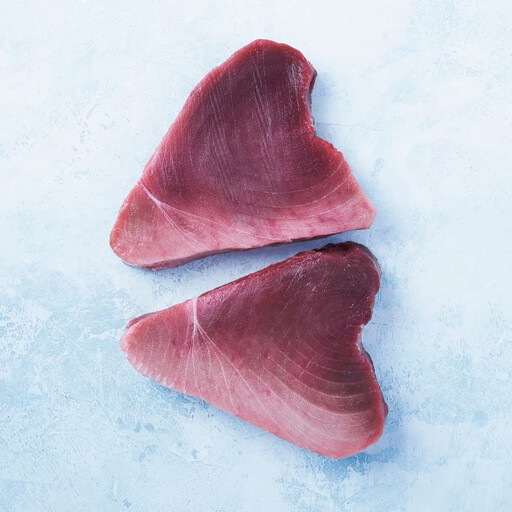
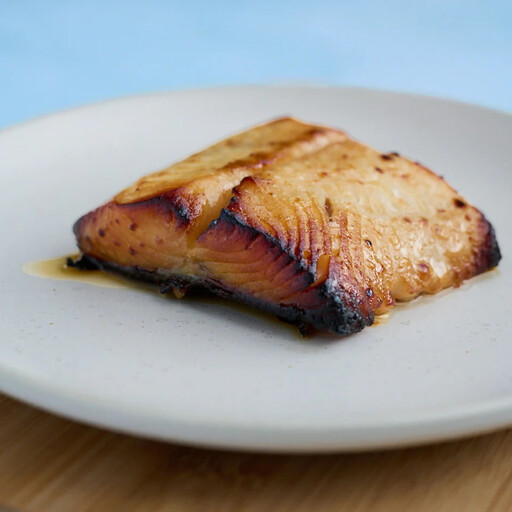
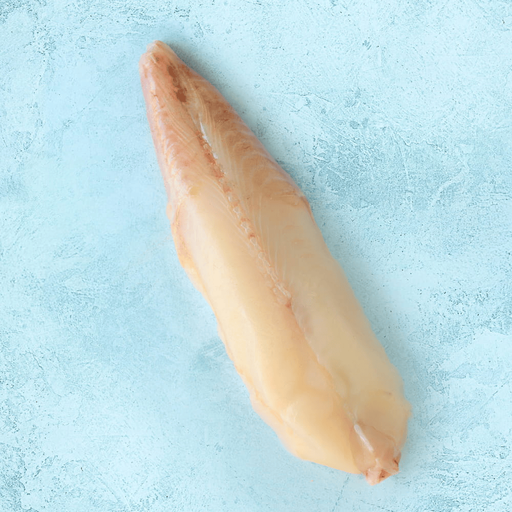
While these selections represent some excellent choices for specific culinary goals, the world of premium seafood is vast. If you are looking for different species, cuts or simply wish to browse a wider collection of kitchen-ready seafood, there are many other options to discover.
For a broader selection of fillets prepared for your convenience, explore our full range of boneless fish.
Modern flash-freezing technology, especially when performed at sea, can preserve the quality of fish exceptionally well. This process locks in flavour, nutrients and texture almost immediately after the catch. In many cases, this "fresh-frozen" fish can be of higher quality than "fresh" fish that may have spent several days in transit and on display before reaching the consumer.
For a product like the sashimi-grade tuna, proper defrosting is key. There are two recommended methods. For a quick defrost, keep the fish in its sealed packaging and run it under cold water for approximately 15 minutes. For a slower, more gentle thaw, snip a corner of the pouch to break the vacuum seal, place it on a plate and leave it in the refrigerator for 12 to 24 hours. Once thawed, it should be kept chilled and used within 48 hours.
The Marine Stewardship Council (MSC) is an international non-profit organisation. When you see the blue MSC label on a seafood product, it means the fish is traceable to a fishery that has been independently certified to the MSC's standard for sustainable fishing. This helps ensure that fish stocks and marine ecosystems remain healthy for the future.