
24/7 Customer Support

Free returns

Same-day & Next-day Delivery

Quality Guaranteed

Unlock Your Welcome Offers: FREE Delivery | Up to 80% OFF | Free 30-day JoyPlus trial
Download the APP
Hazelnut chocolate products cover everything from breakfast cereal and spreads to gift boxes, ice cream and protein powder. That variety is useful, but it can also make comparison difficult. A large pack is not always better value, a ‘hazelnut flavour’ product may contain only a small amount of hazelnut and a premium-looking box may be unsuitable for everyday snacking.
This guide explains the key details to check before buying, then matches selected products to different UK shopping needs.
Some chocolate hazelnut snacks use hazelnut paste or flavouring without containing much whole hazelnut. Check the ingredients list and quantitative declarations where available. For example, the Kellogg’s Krave Chocolate Hazelnut cereal lists 1% hazelnut, while the Kellogg’s Crunchy Nut granola lists 4% hazelnuts.
This does not make either product unsuitable, but it changes what you are buying: one may deliver a filled chocolate cereal experience, while the other offers oats with a more noticeable nut component.
A 1kg hazelnut chocolate spread or a 2kg protein powder may appear economical, but value depends on how regularly it will be used, storage space and the recommended serving size. Smaller packs can reduce waste for occasional shoppers, while larger packs may suit families or people who already know they enjoy the product.
Compare price per 100g, not just the ticket price. For individually wrapped products, also consider the number of portions in the pack.
Hazelnut chocolate products commonly contain milk, soya, wheat, gluten and other tree nuts. Some products may also be manufactured in facilities handling peanuts, eggs or additional cereals. Always read the current packaging, particularly when buying for children, guests or anyone with a food allergy or intolerance.
Product formulations and packaging can change, so online descriptions should support—not replace—the label supplied with the item.
Ingredients are listed by weight in descending order. If sugar appears first, the product is primarily sweetened rather than nut-based. Look for a stated hazelnut percentage when comparing hazelnut chocolate spread, praline chocolates and snack bars.
For example, the supplied Nutella Hazelnut Spread lists 13% hazelnuts, while Morrisons White Chocolate & Hazelnut Spread lists 10% hazelnuts. The latter has a white chocolate-style flavour profile, whereas the former combines cocoa, skimmed milk powder and hazelnuts.
Use the traffic-light nutrition panel and per-100g figures to compare products consistently. Confectionery can be high in energy, fat and sugars, while a cereal or granola may still contain significant sugar despite oats or added vitamins.
The Kellogg’s Krave cereal provides figures of 462 kcal and 26g sugars per 100g. A serving is smaller than 100g, so compare the serving information as well when planning breakfast.
For chocolate hazelnut snacks, portion size matters. A 48g packet of Orion Mushroom Chocolate Hazelnut Flavour or Glico Pocky may be easier to portion than a large sharing bar or box.
Follow the storage instructions for the product type:
These details are particularly important for UK homes where cupboard temperatures, central heating and limited freezer space can affect convenience.
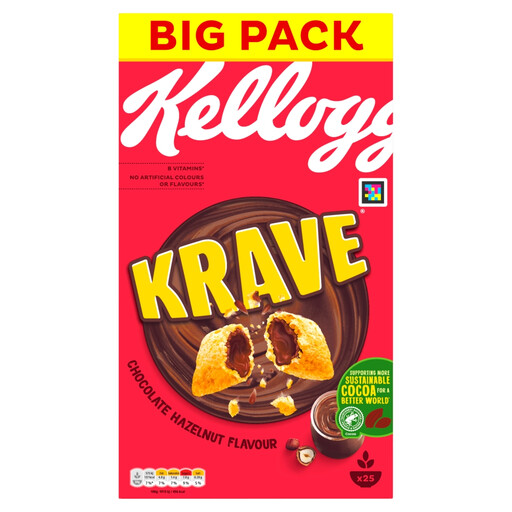
Why This Fits Their Persona: A sizeable breakfast cereal pack for households wanting a chocolate hazelnut option that can be served with milk on weekday mornings.
The ingredient and nutrition details make its 1% hazelnut content and 26g sugars per 100g visible, helping shoppers compare it honestly with hazelnut granola.
750g pack; provides B1, B2, B6 and B12; no artificial colours or flavours according to the supplied product information.
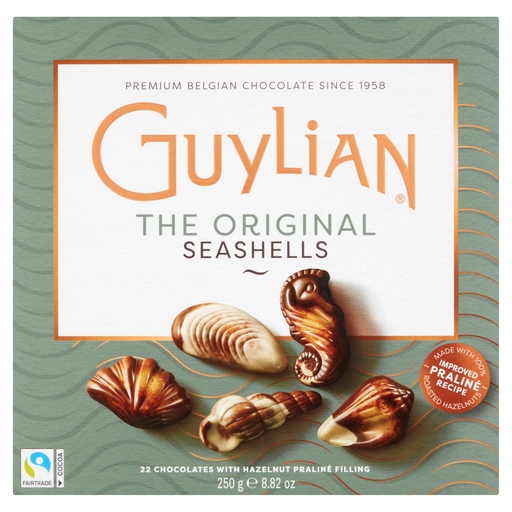
Why This Fits Their Persona: A Belgian-made gift or after-dinner option for shoppers who prefer praline texture and a presentation-ready box.
It states 23% hazelnuts and identifies chocolate, milk and hazelnut allergens, rather than relying only on premium-style packaging.
250g box; made in Belgium; cocoa solids and milk solids are stated in the supplied information.
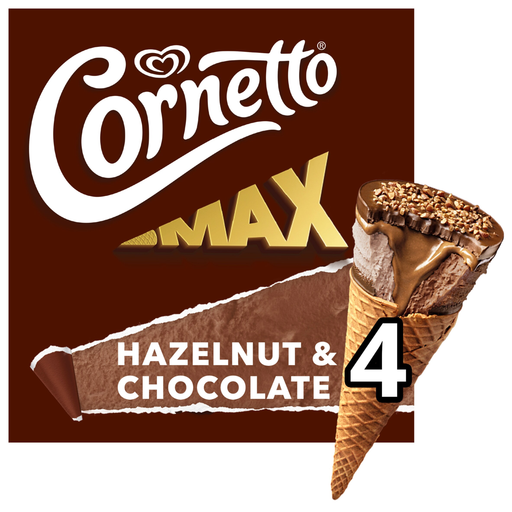
Why This Fits Their Persona: Four individually portioned cones suit family dessert times, provided the freezer has room for a -18°C storage requirement.
The pack count and 90ml serving size clarify how much is supplied, while the storage instruction flags the freezer commitment before purchase.
Four 90ml cones; includes hazelnut ice cream, chocolate ice cream, salted hazelnut sauce and wafer.
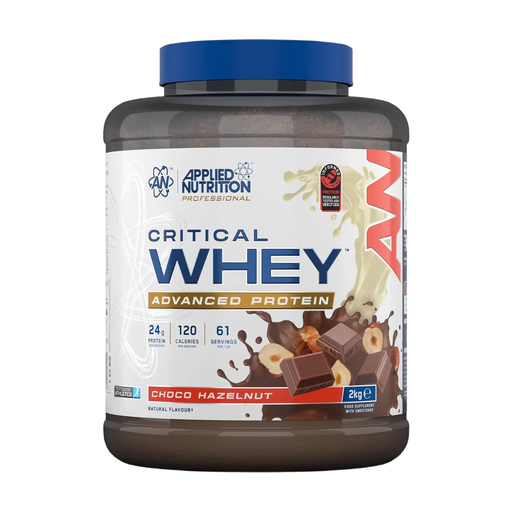
Why This Fits Their Persona: A large-format option for adults who regularly include chocolate hazelnut protein powder in shakes or recipes.
The label gives a 33g serving, 24g protein and 119 kcal, allowing users to calculate servings and cost rather than judging the tub size alone.
2kg format; 24g protein per stated 33g serving; combines whey concentrate, isolate, hydrolysate and milk protein concentrate.
We have compiled a complete, real-time list of products that fully satisfy these strict selection criteria and UK safety regulations.
For toast, pancakes or porridge, compare hazelnut chocolate spread by hazelnut percentage, sugar content and serving size. Nutella Hazelnut Spread 350g lists a 15g serving as approximately 80 kcal, while the 1kg chocolate sauce format is more suitable where a larger quantity is used for desserts or catering-style preparation.
For gifts, praline chocolates such as Guylian Praline Seashells, Ferrero Rocher or Lindt Choco Wafer Sharing Box Hazelnut offer different formats. Check whether the product is individually wrapped, the total number of pieces and allergen information before ordering.
For everyday snacking, individually wrapped chocolate hazelnut sweets and wafer products can help with portion control. Options include Glico Pocky, Blue Riband Hazelnut and Orion Mushroom Chocolate Hazelnut Flavour. Their stated pack weights and ingredients differ, so choose according to texture, portability and dietary requirements rather than packaging alone.
Some are designed for breakfast, including hazelnut cereal and granola. Check sugar, fibre and portion information, then serve them as part of a varied diet. Spreads can also be used on toast or porridge, but they are generally sweet products rather than a standalone balanced meal.
Follow the individual label. The supplied spread products advise storing at room temperature and avoiding refrigeration to maintain a smooth texture. Keep the lid closed and store away from direct sunlight or heat sources.
No. These products are dietary supplements intended for adults, and the supplied labels identify milk allergens; some formulations may also involve soya or shared manufacturing facilities. Follow the stated dosage, do not use it as a replacement for a varied diet and seek medical advice if pregnant, breastfeeding, under 18, taking medication or managing a medical condition.