Buying priorities
Start with quiet-space behaviour, then check the fit, noise-management features and connection route that match the way you study.
| Priority |
What to check |
Your needs |
| Private listening |
Check for a closed-back design or a secure in-ear seal, accessible volume controls and any available model-specific leakage information. Keep audio low enough that nearby readers cannot hear it. |
I want to follow lectures or revision audio without adding noise to a shared study area. I will move elsewhere before taking a call. |
| Noise management |
Compare model-specific ANC, ambient or awareness modes, comfort and battery performance. An ANC label alone does not show how a particular model will perform. |
Background conversation or activity can break my concentration, but I may still need to hear an announcement or speak to staff outside a silent zone. |
| Comfort and portability |
Compare over-ear weight, padding, foldability and case size against in-ear fit options. Try to understand the return process before relying on a shape for long sessions. |
I need headphones I can tolerate through a revision block without carrying more bulk than I am comfortable with. |
| Device compatibility |
Confirm the headphone-side connector, laptop or phone output, included cable and multipoint support for the exact model. USB-C devices may need compatible audio support or an adapter. |
I switch between study devices and want a connection route that works with the equipment I already use. |
Joybuy product options
Joybuy options for quiet library study, focused on over-ear noise-cancelling headphones for distracting environments and a wired over-ear option for compatible 3.5 mm devices.
 No image available
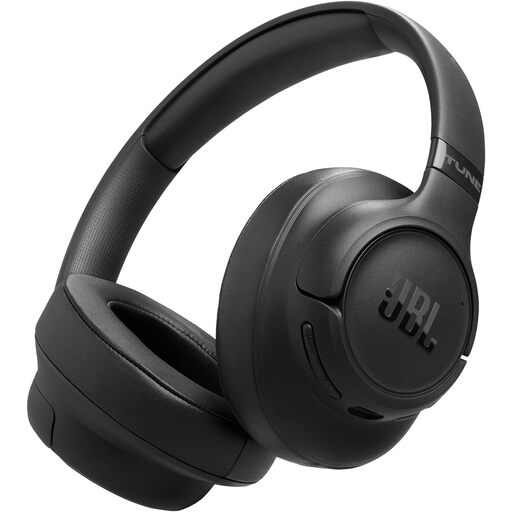
JBL Tune 780NC Wireless Over-Ear Headphones – Black
A noise-cancelling over-ear option for distracting library areas and switching between a laptop and phone.
Listed features include adaptive ANC, Smart Ambient, two-device multipoint Bluetooth, a stated 50-hour ANC-on battery life, fold-flat storage and a USB-C-to-3.5 mm audio cable.
Check that the cable works with both the headphones and your source device, and confirm that the chosen volume is suitable for a silent area.
Joybuy
 No image available
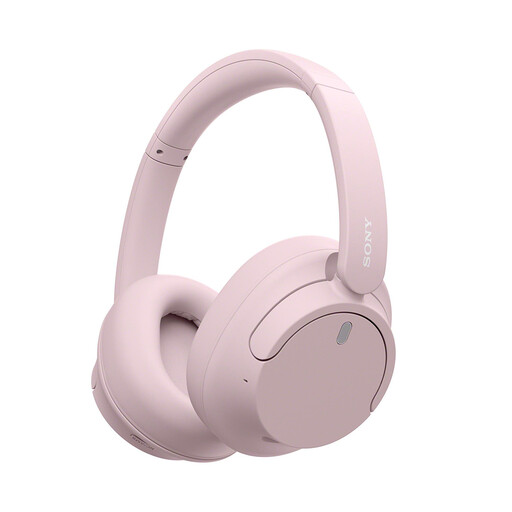
Sony WH-CH720N Noise-Cancelling Over-Ear Headphones – Pink
A wireless over-ear choice to consider for long, distraction-prone study sessions and laptop-and-phone use.
The listing states ANC, ambient-sound adjustment, multipoint Bluetooth, a 35-hour ANC-on battery life, a stated 192 g weight and a detachable 1.2 m 3.5 mm cable.
USB-C-only devices may need compatible audio support or an adapter for analogue listening; keep calls for areas where speaking is permitted.
Joybuy
 No image available
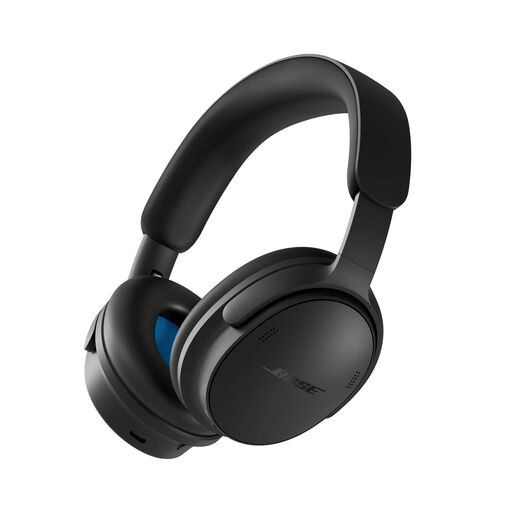
Bose QuietComfort Headphones (2nd Gen) – Black
An over-ear ANC option for students who want selectable noise management and wireless listening with a backup cable.
The listing specifies Quiet and Aware listening modes, Bluetooth 5.4, USB wired lossless listening, a stated 24-hour battery life, a carry case and a 3.5 mm-to-USB-C cable.
Confirm the supplied cable suits your intended laptop, phone or library workstation before relying on it for wired playback.
Joybuy
 No image available
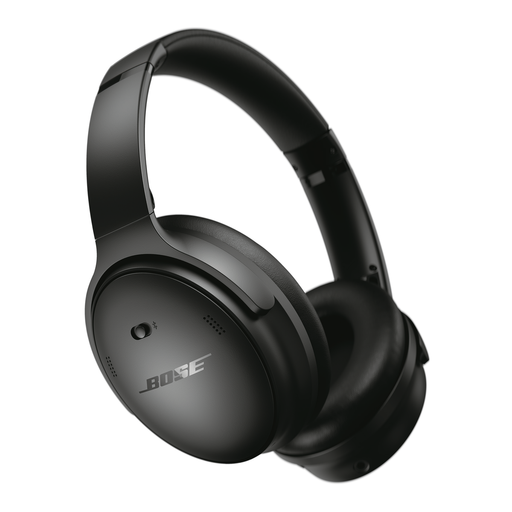
Bose QuietComfort Wireless Noise Cancelling Headphones – Black
A wireless over-ear option for focused listening where surrounding activity is distracting.
Listed specifications include Quiet and Aware modes, adjustable EQ, on-ear controls, a carry case, a stated 24-hour battery life and a 3.5 mm-to-2.5 mm cable with in-line microphone.
The supplied cable may not directly fit USB-C-only study devices; use the microphone only in spaces where local rules allow speaking.
Joybuy
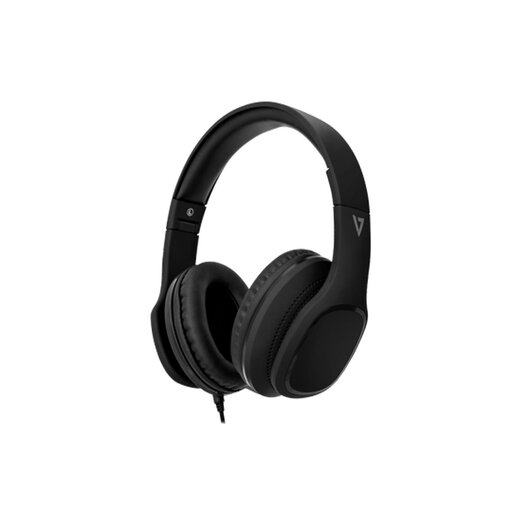 No image available
V7 HA701-3EP Premium Wired Over-Ear Headphones
A wired over-ear route for desk-based study with a compatible 3.5 mm audio output or battery-free playback.
The listing specifies a detachable 1.8 m 3.5 mm cable, inline volume controls, an integrated microphone, foldable earcups, memory-foam pads and 40 mm drivers.
Check that your laptop, phone or workstation has a usable 3.5 mm output or supports a suitable adapter, and keep audio low in shared spaces.
Joybuy
Frequently asked questions
Are headphones allowed in UK university library silent zones?
There is no single nationwide rule. The University of Nottingham asks students in silent study to use headphones and keep audio levels low, while the University of Reading, University of Leicester Library and University of Greenwich publish restrictions on calls in quiet or silent areas. Check the signs and rules for the exact zone you are using.
Can I take an online call while wearing headphones?
Not automatically. University of Leicester Library says phone or online calls may not be taken in silent zones, and the University of Greenwich says not to make or take calls in silent study areas. Move to a designated group or non-silent space where local rules permit speaking.
Should I choose wired headphones for library study?
Choose wired listening when your source device has a compatible output or when you want to avoid charging and Bluetooth pairing. Check the actual connector arrangement: Bose lists a 3.5 mm-to-2.5 mm cable for QuietComfort Headphones, while newer devices may need USB-C audio support or a suitable adapter.
Does active noise cancelling mean I can turn the volume up?
No. ANC can reduce the temptation to raise volume against background noise, but nearby users can still be disturbed by sound leakage. Royal Free London NHS Foundation Trust advises using noise cancelling to avoid wanting to increase the volume and listening no louder than needed for comfort.
What return protection applies when buying headphones online in Great Britain?
For most distance sales of goods, the Consumer Contracts Regulations 2013 provide a 14-day cancellation period ending 14 days after the consumer receives the goods. Exceptions can apply, including to sealed items that cannot be returned for health or hygiene reasons once opened, so check the retailer’s stated process and return-postage terms before opening the product.


