People counting protein per snack
If a savoury snack needs to contribute to your protein intake, compare the amount in the bag you will eat. Applied Nutrition and Myprotein list 15g and 11g respectively in their cited packs.


Choose purpose-made protein crisps if you want the snack itself to make a substantial protein contribution: Applied Nutrition lists 15g per 50g bag, while Myprotein lists 11g per 25g bag. Tyrrells lentil crisps provide 3.9g per 30g serving; ordinary potato crisps are generally a choice for flavour or texture rather than protein in the cited examples. Compare the portion you will eat, including its energy, salt and ingredients, before deciding.
If a savoury snack needs to contribute to your protein intake, compare the amount in the bag you will eat. Applied Nutrition and Myprotein list 15g and 11g respectively in their cited packs.
A single pack is convenient to compare, but its protein figure is only part of the decision. Check the same pack’s energy, salt and ingredients, particularly when choosing between flavours.
Lentil crisps offer another crisp-style option without requiring a purpose-made protein snack. Tyrrells lists 3.9g protein per 30g serving for its cited lentil varieties, so check whether that amount suits what you want from the snack.
Start with protein in the portion you expect to eat, then compare energy, salt and ingredients for that same portion. A per-100g figure helps compare products, but it is not necessarily the amount in a bag.
| Priority | What to check | Your needs |
|---|---|---|
| Protein per portion | Check grams of protein per bag or intended serving, as well as the stated serving size. Tyrrells lists 3.9g per 30g serving of its cited lentil crisps; Applied Nutrition lists 15g per 50g bag of Protein Chips. | I want to know how much protein the snack I actually eat will contribute, rather than choosing by a prominent per-100g figure. |
| Energy and salt | Read both values for the whole pack or intended portion. Myprotein lists 92 kcal and 1.40g salt per 25g pack of Popped Protein Crisps; Joybuy’s Applied Nutrition Original listing gives 210 kcal and 0.65g salt per 50g pack. | Protein matters to me, but I also need the portion’s energy and salt to fit with the rest of my food that day. |
| Ingredients and allergens | Check the protein source, seasoning, allergen statement and suitability wording on the exact flavour. Myprotein’s cited crisps contain soya protein; suitability can differ between products and flavours. | If I avoid an ingredient or follow a particular dietary pattern, I need to check the pack rather than assume all protein crisps are made alike. |
| Type of snack | Decide whether you want a purpose-made protein crisp, a lentil crisp or an ordinary potato crisp. Their cited protein figures use different pack and serving sizes, so compare the portion alongside the texture and flavour you want. | Sometimes I want a familiar crisp; at other times, I want the snack to make a larger protein contribution. |
Walkers states that its Oven Baked Sea Salt crisps have 50% less fat than regular potato crisps, but the cited 22g pack lists 1.3g protein. Fat and protein figures answer different buying questions.
Choose the attribute that matters to you, then read its value for the specific pack.
Tyrrells lists 13g protein per 100g of its cited lentil crisps, but 3.9g in a stated 30g serving. A larger per-100g number does not tell you how much a smaller portion supplies.
Compare protein, energy and salt for the portion you expect to eat.
The cited Myprotein Popped Protein Crisps list 1.40g salt per 25g pack. Joybuy’s Applied Nutrition Original listing gives 0.65g per 50g pack; the products and pack sizes differ.
Read the salt figure for the exact product and flavour alongside its protein figure.
The cited Myprotein crisps use soya protein, and McCoy’s Salted carries warnings that it may contain milk, soya, gluten and mustard. Ingredients and warnings matter independently of protein content.
Check the exact listing and the delivered pack’s ingredient and allergen statements before eating.
These references cover both protein-focused snacks and conventional crisps; a brand’s inclusion does not mean every product in its range has the same nutrition or ingredients.
Protein Chips are an oven-baked, pea-protein crisp-style snack.
Popped Protein Crisps offer a soya-protein snack in a 25g pack.
Its cited lentil crisps offer a familiar crisp-style option with a stated serving size.
Oven Baked Sea Salt is a conventional potato-crisp option with a reduced-fat claim from Walkers.
Sea Salt & Balsamic Vinegar is a conventional potato crisp.
Sea Salted is a conventional crisp with nutrition stated per bag.
Salted is a conventional ridge-cut potato crisp.
A conventional crisp range described by the brand as vegetarian and gluten-free.
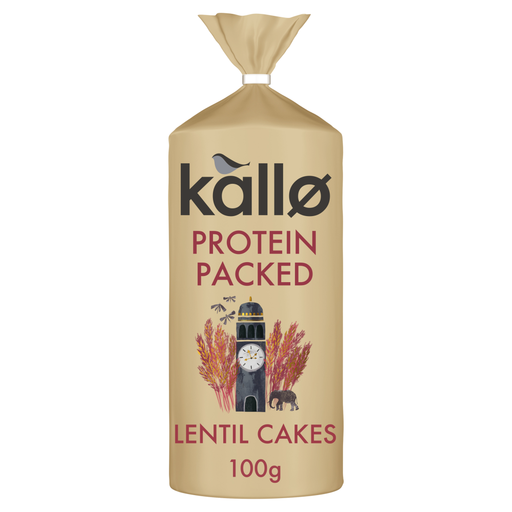
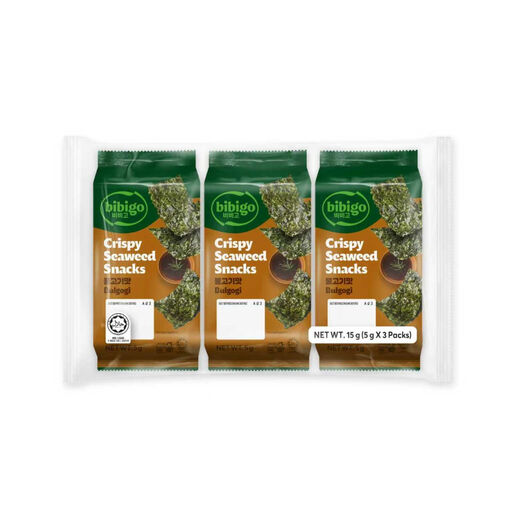
These Joybuy options are a lentil-cake snack and a crispy seaweed snack. If your aim is protein from one snack, compare their stated portions rather than assuming that every crisp alternative serves the same purpose.
 No image available
A lentil-cake alternative to crisps. Check protein per cake or per intended portion, rather than using the 100g pack size as though it were one serving. Check the pack’s milk, sesame and soya warnings if relevant.
 No image available
A crispy seaweed alternative supplied as three 5g packs. Check protein per small pack before choosing it to contribute to a high-protein diet, and read the ingredient and allergen statement for this flavour.
The cited single packs contribute relatively little compared with the purpose-made protein crisps: Walkers Oven Baked Sea Salt lists 1.3g per 22g pack and Seabrook Sea Salted lists 1.9g per 31.8g bag. Applied Nutrition lists 15g per 50g bag of Protein Chips. Compare the pack you would actually eat, since sizes differ.
That depends on how much protein you want from the portion. Tyrrells lists 3.9g per 30g serving of its cited lentil crisps, compared with 11g per 25g pack for Myprotein’s cited Popped Protein Crisps. Lentil crisps may suit a crisp-style snack, but check the serving amount before treating them as an equivalent protein choice.
Protein content does not tell you the salt content. Myprotein lists 1.40g salt per cited 25g pack, while Joybuy’s Applied Nutrition Original listing gives 0.65g per 50g pack. Read both figures for the exact product and portion you intend to eat.
Some products are described as suitable for vegans, but suitability must be checked by product and flavour. Myprotein states that its cited Popped Protein Crisps are suitable for vegans and lists soya protein concentrate among the ingredients. Read the exact pack’s ingredient and allergen statements if you also need to avoid particular ingredients.