Choose dried fruit as a portable fruit option, not on the assumption that it will meet a high-protein requirement. If protein is the priority, check the exact snack’s nutrition label or pair fruit with a suitable protein-containing food at a meal; for toddlers, NHS advice is to offer dried fruit with meals rather than between them.
Who is this choice for?
The right snack depends on whether you need a portable fruit portion, a protein-containing food or something suitable for a particular child-care setting.
Families prioritising protein
If protein is the reason for buying the snack, compare the exact product’s protein and energy values rather than relying on the words “dried fruit”. Fruit can accompany a protein-containing food without being the protein source.
Families packing fruit for an outing
Small dried-fruit packs can be convenient to carry. For toddlers, plan to serve dried fruit with a meal: NHS guidance advises against offering it as a between-meal snack because its sugar can contribute to tooth decay.
Families using a nursery or holiday club
Check the child’s allergens and the setting’s food policy before packing a fruit-and-nut mix. The NHS notes that some nurseries may be peanut- or nut-free; ask a holiday club about its own arrangements rather than assuming the same rule applies everywhere.
What should you check?
Start with the job the snack needs to do, then check the label, when it will be eaten and where it will be taken.
| Priority |
What to check |
Your needs |
| Protein |
Compare protein and energy on the exact pack, using the same quantity for both figures. The Food Standards Agency describes a high-protein claim as requiring at least 20% of the food’s energy to come from protein. |
If protein is my main reason for choosing the snack, I need more than a fruit category name or a protein-sounding product title. |
| Meal timing |
Decide whether the dried fruit will be eaten with a meal. NHS guidance says toddlers should have dried fruit such as raisins with meals, rather than between them, because its sugar can cause tooth decay. |
For a toddler, I can pack dried fruit with lunch and choose a different between-meal snack. |
| Allergens and setting rules |
Read the exact pack’s ingredients and allergen information. Ask the nursery or holiday club about its food policy before packing nuts or a fruit-and-nut mix. |
A mix needs to suit both my child and the place where they will eat it. |
| Outing practicalities |
Check the pack size and how the food must be stored. If pairing dried fruit with yoghurt or cheese, plan for suitable storage during the outing. |
I want something straightforward to carry, but I still need the protein-containing part of the meal to fit the day’s plans. |
Common buying mistakes
-
Assuming all dried fruit is high protein
Crazy Jack lists 3.8g protein and 301kcal per 100g for its Traditional Dried Apricots. Protein therefore provides about 5% of that product’s energy, below the 20% benchmark the Food Standards Agency describes for a high-protein claim. That example does not determine the values of every dried fruit.
Check protein and energy on the product you intend to buy. If protein is essential, assess a suitable protein-containing food or a snack whose own label meets that requirement.
-
Packing dried fruit as a toddler’s between-meal snack
The NHS advises giving toddlers dried fruit with meals rather than between them because its sugar can contribute to tooth decay.
Put raisins or other dried fruit alongside a meal, and choose an age-appropriate alternative when a separate snack is needed.
-
Assuming a fruit-and-nut mix is suitable for every setting
A nut-containing product may not suit a child’s allergy needs or a provider’s food policy. The NHS notes that some nurseries may be peanut- or nut-free.
Read the exact pack’s allergen information and check the nursery or holiday club’s rules before packing it.
Brand and retailer references
These examples show formats and labels worth comparing; a brand name alone does not establish a product’s protein content.
Whitworths
Whitworths offers dried-fruit and fruit-and-nut formats. Tesco lists its Sunny Fruit Mix-Ups Apricots & Mango as four 18g packs.
- The multipack format gives you a specific portion format to compare for outings.
- Check protein and allergen information on the exact Whitworths pack; the brand’s wider range does not make every dried-fruit product high protein.
Tesco
Tesco lists dried-fruit types including dates, prunes, mango, raisins and sultanas, alongside fruit-snack packs.
- Different fruit types and pack formats can be compared for the meal or outing you have planned.
- Use each product’s own nutrition and allergen label when protein or an ingredient restriction affects the choice.
M&S
M&S lists dried cherries made with dried sour cherries, concentrated apple juice and sunflower oil.
- The listed nutrition gives a product-specific comparison point: 1.0g protein per 100g for these dried cherries.
- Check the current pack before buying, particularly if its ingredients or protein value matter to you.
Joybuy snack option
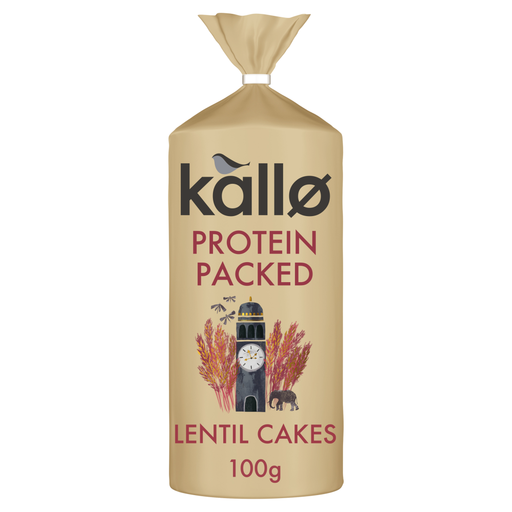
This savoury lentil-cake option is for considering a snack outside the dried-fruit category when protein is the priority. Check the exact pack against your protein requirement and the child’s allergen needs.
 No image available
Kallo Protein Packed Lentil Cakes 100g
A savoury lentil-cake alternative to dried fruit for a holiday snack. If a high-protein claim matters, check the pack’s protein and energy values; review its allergen information, including information about milk, sesame and soya, before packing it for a child.
View on Joybuy
Questions about dried fruit and protein
Can dried fruit count as a high-protein snack?
Do not assume it can from the fruit type alone. Crazy Jack’s Traditional Dried Apricots list 3.8g protein and 301kcal per 100g, putting about 5% of their energy from protein; the Food Standards Agency describes 20% as the threshold for a high-protein claim. Check the values on the exact product you are considering.
When should a toddler have dried fruit?
Offer it with a meal rather than as a between-meal snack. That is NHS advice for dried fruit such as raisins, because its sugar can cause tooth decay.
What if I want fruit alongside a protein-containing food?
Keep the two jobs separate: choose dried fruit as part of a meal and check the protein content of a suitable accompaniment, such as yoghurt, cheese or hummus. Check ingredients, allergens and storage needs for the foods you pack.
Can I pack a fruit-and-nut mix for a nursery or holiday club?
Check with the individual setting before packing it, as well as checking the child’s needs and the product’s allergen information. The NHS notes that some nurseries may be peanut- or nut-free; a holiday club may have its own policy.


