Snack shoppers who can eat nuts
Peanuts and nut mixes can be considered for a higher-protein snack when their allergen information fits your needs. Compare the protein in the portion you would eat, as well as its salt and energy.


If you need to avoid peanuts or tree nuts, choose an alternative only after checking the current pack’s ingredients and any relevant “may contain” warning. If nuts fit your allergy requirements, compare protein per portion alongside salt and energy; a vegan or high-protein label does not establish that a snack is nut-free.
Peanuts and nut mixes can be considered for a higher-protein snack when their allergen information fits your needs. Compare the protein in the portion you would eat, as well as its salt and energy.
Check the exact allergen you need to avoid in both the ingredients and any precautionary statement on the current pack. The Food Standards Agency distinguishes peanuts from tree nuts, so do not assume a warning about one answers the question about the other.
A snack that does not list nuts as an ingredient may still have a relevant warning. Check separately for any other allergens you avoid, such as soya, sesame or milk.
Settle allergen suitability before comparing protein figures. Then use the portion you expect to eat as the basis for comparing snacks.
Consider when: Peanuts or tree nuts, as applicable, and the product’s other allergen information fit your needs.
Trade-off: A protein figure does not override an allergen warning, and portion size, salt and energy still matter.
Consider when: You need to avoid peanuts or tree nuts and can find a product whose current label fits your specific requirements.
Trade-off: Plant-based or high-protein wording alone does not establish nut-free suitability.
| Priority | What to check | Your needs |
|---|---|---|
| Allergen suitability | Read the current pack’s ingredients and relevant “may contain” statements. Check peanuts, tree nuts and any other allergens you avoid separately; the Food Standards Agency explains that precautionary wording concerns possible unintended allergen presence. | I need to know whether this exact snack fits the allergens I avoid, not just whether its front label says “plant protein” or “vegan”. |
| Protein per portion | Look for grams of protein per bar, pack or stated serving, and note that portion’s size. The product information from Tesco Groceries and M&S Food lists 13g per 44g TREK bar and 10g per 30g M&S nut-and-seed pack respectively; both still require allergen screening. | For a snack, I want to compare the amount in what I would actually eat, rather than assume a per-100g figure describes one portion. |
| Salt and energy | Compare nutrition values on the same stated basis, checking the serving size as well as per-100g figures. KP Nuts lists 0.39g salt per 30g serving of Original Salted Peanuts; M&S Food lists 640 kcal per 100g for Natural Nut Medley. | If I am choosing a nut snack for its protein, I also want its salt and energy figures to make sense for the portion I plan to have. |
| Pack in hand | Use an online listing to identify a product, then read the ingredients, nutrition panel and allergen advice on the pack you are buying. | Before buying for someone with an allergy, I want to check the exact pack rather than rely on a broad free-from description. |
Tesco Groceries lists 13g protein per 44g TREK High Protein Lotus Biscoff bar, alongside a warning that it may contain peanuts and nuts. Its protein figure cannot establish allergen suitability.
Read the ingredients and precautionary advice for the exact bar, whatever its protein or plant-based wording says.
The Food Standards Agency explains that precautionary allergen labelling communicates possible unintended allergen presence. It answers a different question from whether an allergen was used as an ingredient.
Check both parts of the current label for the allergens you avoid, following any individual advice you have received about precautionary warnings.
KP Nuts lists 9g protein and 0.39g salt per 30g serving of Original Salted Peanuts, while M&S Food lists energy for Natural Nut Medley per 100g. Those figures do not describe equal portions.
Choose the amount you expect to eat, then compare protein, salt and energy using the corresponding serving figures.
A listing helps identify a snack, but the product-specific ingredients and allergen advice needed for the decision are on the pack being bought.
Check that pack before purchase, particularly when buying for someone else.
These examples illustrate different label checks; a brand name alone does not establish whether a particular product suits an allergy.
KP Original Salted Peanuts are a peanut snack to consider only when the product’s allergen information fits your needs.
Its nut-and-seed snacks show why protein and allergen information need to be read together.
Its High Protein Lotus Biscoff bar is an example of a plant-protein snack whose allergen warning needs a separate check.
These options include peanut snacks and bars, plus a lentil-cake snack for shoppers considering a different format. Check each current pack for the allergens you need to avoid; the lentil cakes should not be assumed nut-free from their name.
 No image available
A 50g bar format for comparing protein per bar with other snacks. Check the current pack’s peanut and other allergen information before choosing it.
 No image available
Each bar is listed as 40g, making the per-bar nutrition panel the useful starting point for a snack comparison. Check the current pack for peanuts and any other relevant allergen warnings.
 No image available
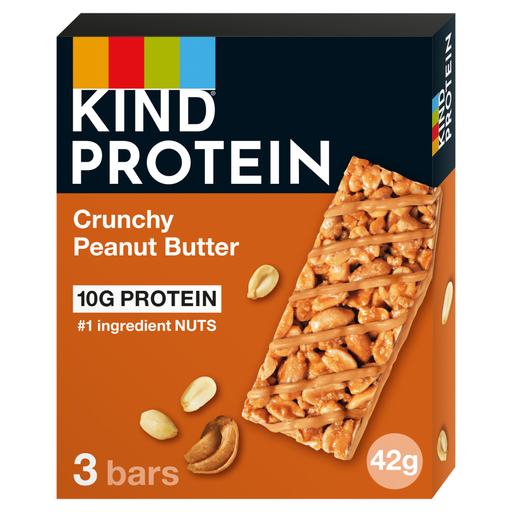
This pack lists three 42g bars, so compare nutrition by bar if that is the portion you intend to eat. Read the current ingredients and precautionary advice for peanuts, tree nuts and any other allergens you avoid.
 No image available
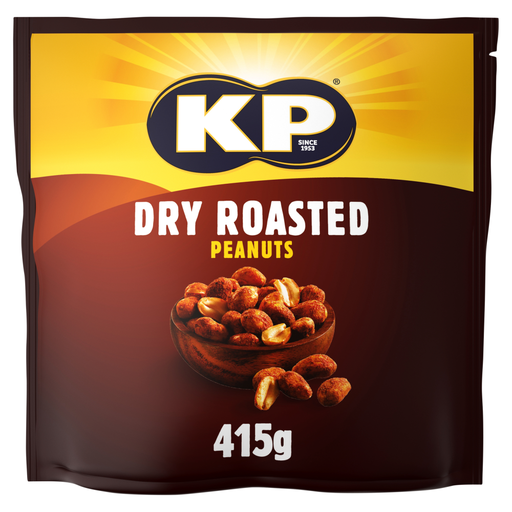
This 415g peanut pack calls for a portion-based nutrition comparison rather than treating the whole pack as one snack. It is not a choice for someone avoiding peanuts; check the current pack for other relevant allergens too.
 No image available
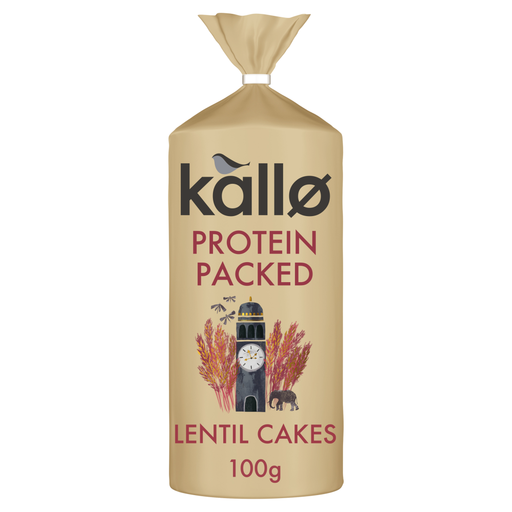
Lentil cakes offer a different snack format from peanuts or nut bars. Compare protein for the number of cakes you would eat, and check the current pack’s ingredients and precautionary allergen statements before considering them for a nut-free diet.
No. The Food Standards Agency explains that precautionary allergen wording communicates possible unintended presence, whereas the ingredients list identifies what was deliberately used. Check both on the current pack for the allergens you avoid.
No. The Food Standards Agency distinguishes peanuts, which are legumes, from tree nuts. That distinction does not make a product suitable by itself: check the exact ingredients and warnings against the person’s allergy requirements. KP Original Salted Peanuts, for example, contain peanuts and may contain other nuts, according to KP Nuts.
No. Tesco Groceries lists the TREK High Protein Lotus Biscoff bar as vegan but says it may contain peanuts and nuts, as well as milk and sesame. Check allergen advice separately from vegan and protein claims.
Pulses, tofu and Quorn are plant-based protein foods identified by Cambridge University Hospitals NHS Foundation Trust. Choose a particular product only after checking that its ingredients and allergen advice fit your requirements; a food made without nuts is not automatically suitable for every nut allergy.