What should you check before buying?
Start with the requirement that decides the purchase: a high-protein food, a fruit portion, or a mix of fruit and nuts. Then compare nutrition figures on the same quantity of food.
| Priority | What to check | Your needs |
|---|
| Protein claim |
Compare protein and energy per 100g, or use figures for the same serving size. The Great Britain standard published on legislation.gov.uk requires at least 20% of energy to come from protein for a high-protein claim; protein grams alone do not establish this. |
If protein is the deciding factor in my revision snack, I need to check the energy share rather than rely on a product name. |
| Mix ingredients |
Read the ingredients and compare sugars for the stated serving. Whitworths lists peanuts, raisins and sweetened dried cranberries in its 1DERS mix, with 4.1g protein and 10.2g sugars per 30g pack. |
I would like fruit and nuts together, but I also want to know what is in the pack and how its serving figures compare. |
| Portion and timing |
The NHS says 30g of dried fruit counts as one 5 A Day portion and advises eating it at mealtimes, not between meals, to reduce tooth-decay risk. |
For a long revision day, I want to portion dried fruit as part of a meal rather than keep grazing from a bag. |
| Allergens |
Check the current ingredients, emphasised allergens and any precautionary statement. Whitworths lists peanuts in its 1DERS mix; Marks & Spencer says its Natural Nut Medley is not suitable for people with nut, peanut or sesame allergy. |
Before choosing a nut-containing snack for myself or someone else, I need to know whether its allergen information makes it suitable. |
A Joybuy snack option
This savoury lentil-cake option is for readers considering a snack outside dried fruit. Check its nutrition declaration if meeting a high-protein claim standard is essential to your choice.
 No image available
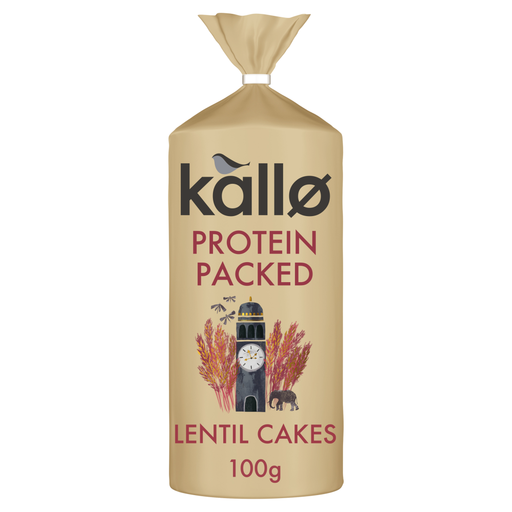
Kallo Protein Packed Lentil Cakes 100g
A savoury lentil-cake option rather than dried fruit. Compare its protein and energy on the same per-100g basis before treating it as a high-protein choice, and check the current pack’s allergen information.
View on Joybuy
Questions about dried fruit and protein
Can dried fruit be described as high protein?
Only if the particular food meets the applicable claim standard: in Great Britain, legislation.gov.uk sets the high-protein threshold at 20% of energy from protein. Marks & Spencer lists 1.5g protein and 341kcal per 100g for its dried blueberries, which falls below that threshold. Check the nutrition declaration of the product you intend to buy.
Does a fruit-and-nut mix provide more protein than dried fruit alone?
It can, but compare like quantities and do not assume the mix qualifies as high protein. Whitworths lists 4.1g protein and 10.2g sugars per 30g pack for its peanut-containing 1DERS mix; Marks & Spencer lists 1.5g protein per 100g for its dried blueberries. The different serving bases mean those figures should not be read as a direct per-portion comparison.
How much dried fruit counts as one 5 A Day portion?
The NHS says 30g of dried fruit counts as one portion. It also advises having dried fruit at mealtimes rather than between meals.
Should I keep dried fruit to hand for grazing while revising?
The NHS advises eating dried fruit at mealtimes, not between meals, to reduce tooth-decay risk. Portion it for a meal rather than repeatedly picking from a bag during revision.
What should I check on a fruit-and-nut mix?
Check protein and energy on the same quantity of food, then read the sugars, ingredients and current allergen statements. Whitworths lists peanuts in its 1DERS mix, and Marks & Spencer says its Natural Nut Medley is not suitable for people with nut, peanut or sesame allergy.


