
24/7 Customer Support

Free returns

Same-day & Next-day Delivery

Quality Guaranteed
Download the APP
Categories
Navigating the world of authentic Japanese ingredients can be a rewarding journey, but it often starts with a single question: which miso paste is right for my dish? With options ranging from light and sweet to dark and robust, choosing the correct Hikari Miso Paste can feel daunting. This guide is designed to help you understand the key differences and select the perfect fermented soybean paste for your culinary needs, whether you're making your first bowl of miso soup or crafting a complex marinade.
As a Joybuy Product Recommendation Officer, my role is to provide clear, practical advice to help you make informed choices. Let's break down what to look for when you buy miso online.
Before we look at specific products, here are a few key points to consider that will help you distinguish between the different types of this essential Japanese cooking paste.
The colour of miso is a direct indicator of its flavour, saltiness and fermentation time.
Different misos serve different purposes in the kitchen.
Beyond the basic red and white, you might encounter terms like Inaka miso. This translates to "countryside miso" and often refers to a more rustic, less-processed paste. It can have a coarser texture and a hearty, traditional flavour that sits somewhere between the common red and white varieties, offering a unique, homemade character.
Here are our recommendations from the Hikari Miso range, each offering a distinct flavour profile suited for different culinary applications.
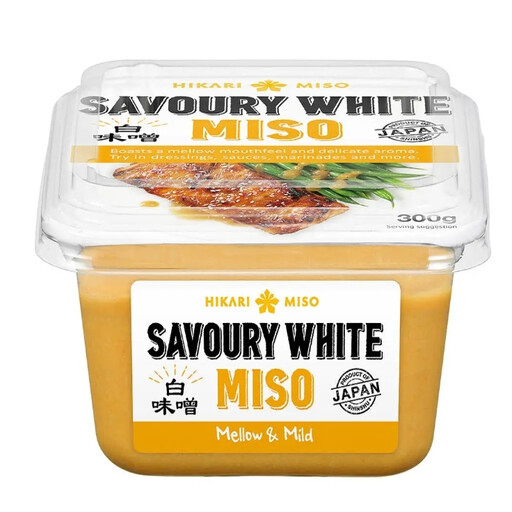
Why It Stands Out: This shiro miso is the quintessential all-rounder. Its gentle sweetness and subtle saltiness make it incredibly approachable. Made with a higher percentage of rice, its flavour is mild and smooth, adding a creamy texture and a light umami boost to any dish.
Pros:
Who is it for? This is ideal for home cooks looking for a versatile miso for everyday use. It's perfect for making classic miso soup, creamy salad dressings, or light marinades for chicken and white fish.
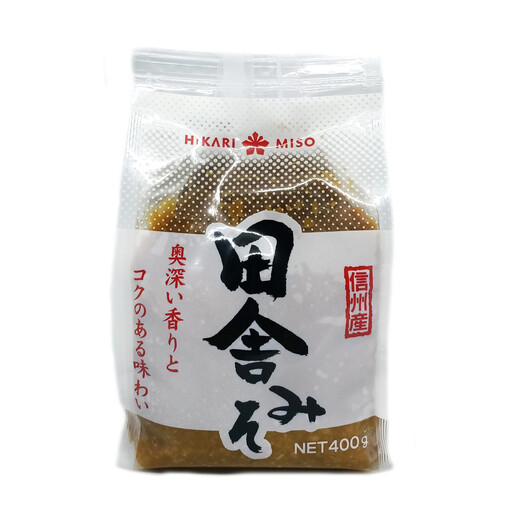
Why It Stands Out: As a traditional Inaka miso, this paste offers a taste of rustic, "countryside style" Japanese cooking. It has a slightly coarser texture and a well-balanced, rich flavour that is more robust than white miso but less intense than a long-aged red. Its character is savoury, aromatic and deeply satisfying.
Pros:
Who is it for? This is for the cook who wants to move beyond basic miso and explore a more traditional flavour. It’s excellent for making a more flavourful miso soup, noodle dishes, and glazes for grilled meats.
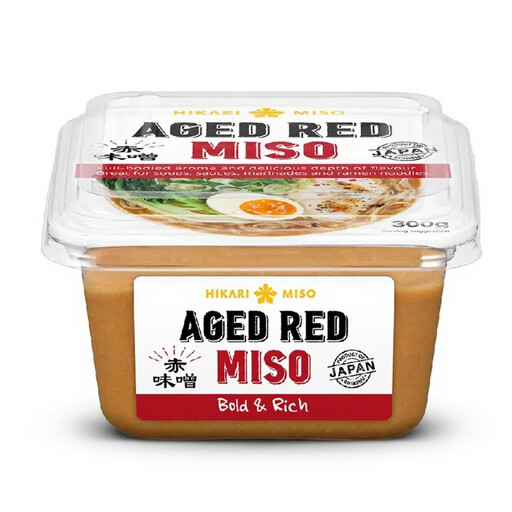
Why It Stands Out: This aka miso is the result of a long, slow fermentation process. This aging develops a deep, dark colour and an incredibly rich, complex flavour profile. It is salty, pungent and packed with a powerful umami punch that can stand up to strong ingredients.
Pros:
Who is it for? This is the choice for experienced cooks or anyone seeking a bold flavour. Use it in rich stews, braises and marinades for red meat or oily fish like mackerel, where its intensity can truly shine.
If these selections don't quite fit your recipe, or if you're curious to explore an even wider variety of Japanese seasonings, we have more to offer.
[Explore our full range of Japanese miso paste here](https://www.joybuy.co.uk/explore/miso-paste-japanese/xI5DPxc1) to find the perfect addition to your pantry.
The primary difference lies in their fermentation time and ingredients. White miso paste (shiro miso) is fermented for a shorter period with more rice, giving it a mild, sweet taste. Red miso paste (aka miso) is fermented for much longer, resulting in a saltier, more pungent and deeply savoury flavour.
Yes, miso is a fermented product and is safe to eat without cooking. It is often used raw in dressings, dips and sauces. However, its most common application is in cooked dishes like soups and marinades. To preserve its delicate flavours and potential probiotic qualities, it's best to add it at the end of the cooking process and avoid boiling it vigorously.
Once opened, miso paste should be kept in the refrigerator. To maintain its quality, press a piece of parchment paper or plastic wrap directly onto the surface of the miso before sealing the container. This minimises exposure to air and prevents it from drying out. Stored correctly, it can last for several months. Its flavour will continue to mature and deepen over time.