
24/7 Customer Support

Free returns

Same-day & Next-day Delivery

Quality Guaranteed

Unlock Your Welcome Offers: FREE Delivery | Up to 80% OFF | Free 30-day JoyPlus trial
Download the APP
A bottle of soy sauce is a staple in most UK kitchen cupboards, but a quick look at the supermarket aisle reveals a bewildering array of options. From light and dark to gluten-free and reduced-salt, choosing the right one can feel surprisingly complex. Many of us grab the first bottle we see, only to find our stir-fry is too salty or our dipping sauce lacks depth. This guide will help you navigate the common pitfalls and understand the key factors to look for, ensuring you pick the perfect soy sauce for your cooking.
Before you add a bottle to your basket, be aware of a few common issues that can lead to a disappointing purchase.
To make a confident choice, focus on these three essential parameters.
Understanding the main types is crucial for getting the flavour profile you want.
A high-quality, traditionally brewed soy sauce will have a very short ingredient list. Look for products that primarily contain water, soybeans, wheat and salt. The presence of flavour enhancers (like E621 or MSG), preservatives and colourings can indicate a faster, chemical production process. For a gluten free soy sauce, check that wheat is absent and that it is explicitly certified as gluten-free.
The salt content in soy sauce can vary dramatically, from 9g to over 20g per 100ml. If you are monitoring your salt intake, look for products labelled "reduced salt soy sauce" and compare the "per 100ml" nutritional values. This gives you a much clearer picture than vague marketing terms.
To help you choose, we've matched some excellent options to different cooking styles and dietary needs.
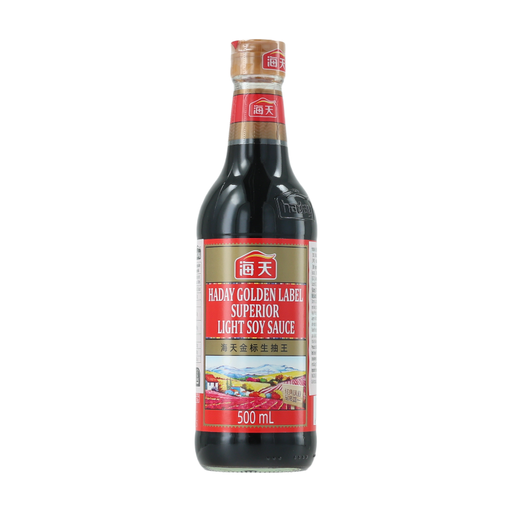
Why This Fits Their Persona: This is a fantastic workhorse for daily cooking. As a classic Chinese light soy sauce, it provides the savoury, salty kick needed for stir-fries, marinades and general seasoning without adding too much colour. It's a reliable and versatile choice for any UK household that enjoys Asian-inspired meals.
It is clearly a 'light soy sauce,' avoiding the 'all-purpose' trap. It's designed specifically for seasoning, ensuring your dishes are flavourful, not just dark.
Crafted from non-GMO soybeans, it offers a balanced, savoury flavour that enhances food without overpowering it. Its quality is designated as 'Extra Grade'.
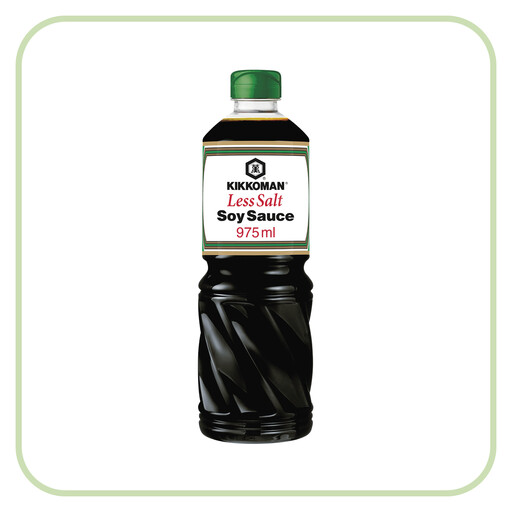
Why This Fits Their Persona: For those actively managing their salt intake, this reduced salt soy sauce is an ideal choice. It allows you to get that essential umami flavour from a trusted brand while having more control over the final seasoning of your dish. The large 975ml bottle offers great value for frequent use.
This product clearly states it has 37% less sodium, avoiding the vague 'low salt' label trap. It's naturally brewed with just four ingredients, ensuring no hidden additives.
Delivers the classic, rich flavour of Kikkoman soy sauce with significantly less salt (9.0g per 100ml). It's extremely versatile for cooking, seasoning and table use.
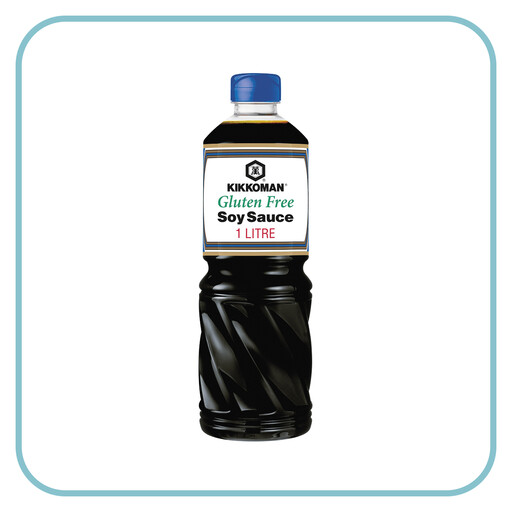
Why This Fits Their Persona: Anyone with coeliac disease or a gluten intolerance needs a reliable, flavourful alternative. This tamari is not only certified gluten-free but also delivers a deep, rich umami flavour that works beautifully as a soy sauce for sushi, marinades or any recipe calling for soy sauce. The 1L bottle is excellent value for those who rely on it as their sole option.
It is a genuine tamari, naturally brewed without wheat, and is officially certified gluten-free. This removes any guesswork and ensures it is safe for those with dietary restrictions.
Made with just four pure ingredients (water, soybeans, salt, spirit vinegar), it offers a rich, complex flavour without artificial additives. It is also certified vegan and halal.
We have compiled a complete, real-time list of products that fully satisfy these strict selection criteria and UK safety regulations.
The simplest way to remember is that light soy sauce is for flavour and dark soy sauce is for colour. Light soy sauce is saltier and thinner, used to season a dish. Dark soy sauce is aged longer, often with molasses, making it thicker, darker and less salty. It's used to give dishes like red-braised pork its characteristic rich, caramel hue.
Yes. While an unopened bottle is shelf-stable, once you open it, exposure to air begins to degrade its flavour and aroma. To keep your soy sauce tasting fresh and to prevent any potential spoilage, it is always recommended to store it in the refrigerator with the cap tightly sealed.
Not necessarily, but it's often the case. Tamari is a specific type of Japanese soy sauce that is traditionally brewed with very little or no wheat. This makes most tamari products naturally gluten-free. However, some may still contain trace amounts. If you have a serious intolerance or coeliac disease, you should always look for a product that is explicitly labelled and certified gluten-free to be completely safe.