
24/7 Customer Support

Free returns

Same-day & Next-day Delivery

Quality Guaranteed

Unlock Your Welcome Offers: FREE Delivery | Up to 80% OFF | Free 30-day JoyPlus trial
Download the APP
Instant stir-fried noodles can solve a rushed lunch, late study session or simple office dinner in minutes. However, the packet or bowl that looks appealing online may not suit your cooking setup, dietary needs or appetite. The key difference between a convenient purchase and a disappointing one is often found in the preparation method, serving format and nutrition panel rather than the flavour description.
Some instant noodles are microwaveable meals, while others require boiling, draining and mixing with several sachets. A product such as Ben’s Original Street Food Chinese Chow Mein Noodles is designed for an 800W microwave and takes 90 seconds, whereas many Asian instant noodles need a saucepan and around three minutes of cooking.
Check whether you have access to a microwave, kettle or hob before ordering. A dry stir-fried noodles product that needs draining may be inconvenient in a student bedroom or office without suitable facilities.
A single 80g or 100g packet may work as a snack or light lunch, but might not be enough for a larger appetite. Conversely, a 40-pack of Mi Goreng noodles can be excessive if you only eat instant noodles occasionally or have limited cupboard space.
Review the net weight, number of servings and portion size. Multipacks are more practical for families, shared offices and regular pantry stocking, while individual packs allow more variety.
Terms such as “vegetarian”, “seafood”, “chicken-style” and “spicy” do not replace the ingredient list. Sauces may contain soya, wheat, sesame, fish, oyster, shrimp, egg, milk or celery. Some products also include several separate seasoning packets, each of which needs checking.
For UK shoppers with allergies or intolerances, read the bold allergen declarations on the actual packaging before eating. Product information can change, so packaging remains the relevant source at the point of purchase.
Instant stir-fried noodles generally fall into three formats:
Follow the stated method rather than assuming every packet can be prepared with kettle water. This helps avoid undercooked noodles, uneven sauce distribution or damaged packaging.
The term “fried noodles” covers a wide range of tastes. Indonesian-style Mi Goreng noodles often combine sweet soya sauce, savoury seasoning, oil and crispy onions. Japanese yakisoba noodles tend to use a sweet and savoury sauce, while Sichuan-style dry stir-fried noodles may include chilli oil, vinegar and Sichuan peppercorn.
For milder meals, consider a Chinese chow mein-style option with vegetables or a plain yakisoba noodle base that lets you control the sauce. Fans of spicy noodles can look for chilli oil, peppercorn or chilli powder sachets, but add these gradually if the heat level is unfamiliar.
Use the nutrition panel to compare products on the same basis, preferably per 100g and per serving. The supplied range varies considerably: Nissin Demae Ramen Yakisoba lists 4.0g salt per 100g, while Hakubaku Yakisoba Noodles lists 0.8g salt per 100g before additional sauces or toppings are added.
Many instant noodles are relatively high in salt, fat or saturated fat. They are best treated as part of a varied diet. Adding vegetables, eggs, tofu or another protein can make a bowl more substantial, but remember that extra sauces may also increase the overall salt content.
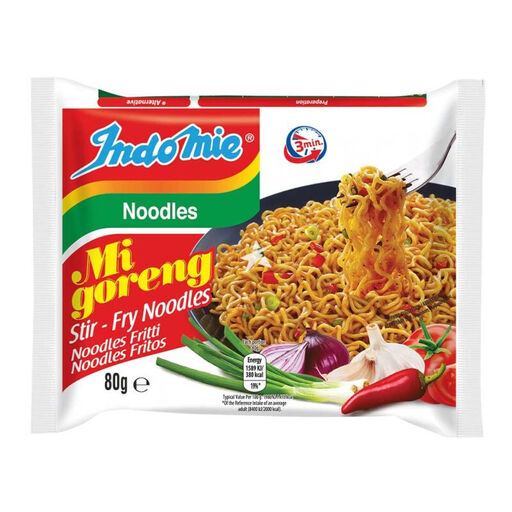
Why This Fits Their Persona: A single 80g pack suits students, first-time buyers and shoppers who want a quick lunch or snack without committing to a large noodle multipack.
The pack clearly uses a boil, drain and mix method, so shoppers can plan for a saucepan rather than expecting microwave preparation.
Includes seasoning sauce, oil and crispy fried shallots; the stated cooking time is three minutes.
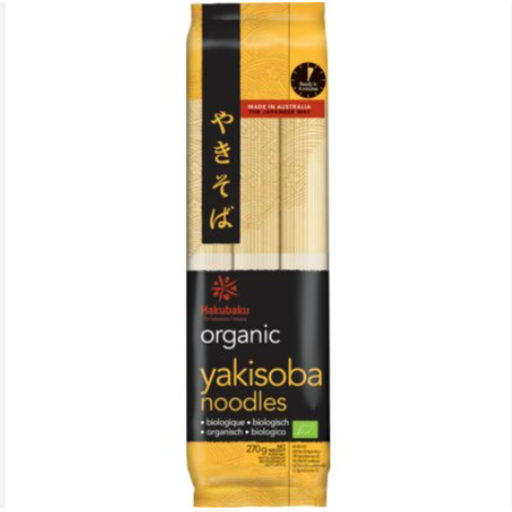
Why This Fits Their Persona: Suitable for home cooks who prefer to customise Japanese noodles with their own sauce, vegetables and protein.
It is a noodle base rather than a heavily seasoned complete meal, making the sauce quantity and toppings easier to control.
270g pack divided into three 90g portions; listed as suitable for vegetarian and vegan diets.
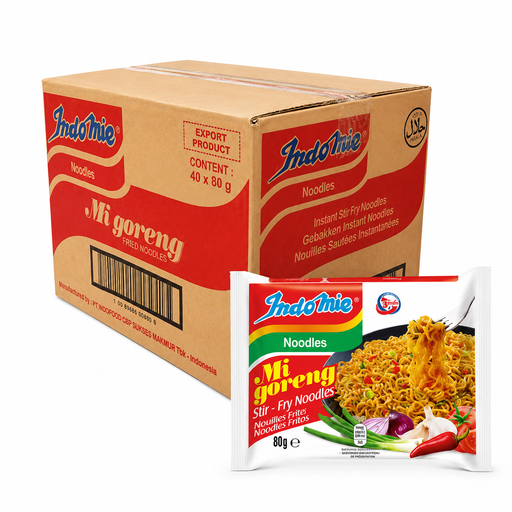
Why This Fits Their Persona: Designed for regular instant noodle fans, family cupboards, office sharing or back-to-school stock-ups.
The total quantity is explicit: eight packs per bag and five bags per box, helping buyers judge storage needs before ordering.
Contains 40 individual 80g packs with sweet soya sauce, seasoning, oil and fried shallot components.
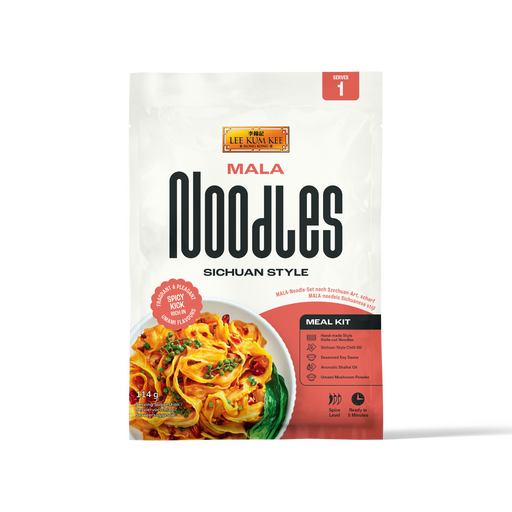
Why This Fits Their Persona: A targeted choice for shoppers seeking Sichuan-style mala flavour, wide noodles and a more distinctive spicy meal.
The flavour components are stated clearly, including seasoned soya sauce, Sichuan peppercorn chilli oil and shallot oil.
114g single serving with wide, knife-cut-style noodles and separate sauce components for mixing after cooking.
We have compiled a complete, real-time list of products that fully satisfy these strict selection criteria and UK safety regulations.
Only when the packaging gives microwave instructions. Ready meals such as Ben’s Original Chinese Chow Mein are designed for microwave heating, while many instant noodles require boiling and draining. Never microwave a packet or sachet unless the instructions specifically permit it.
Most boil-and-mix products take around three minutes once the water is boiling. Some noodle bases require four to six minutes, and microwaveable meals may take around 90 seconds depending on the appliance. Always follow the instructions for the specific product.
The cooking energy cost is usually limited because preparation takes only a few minutes, but the total cost depends on the format. A single pack may provide flexibility, while a noodle multipack can reduce the price per serving for regular users. Compare the pack quantity, serving size and any extra ingredients needed before deciding.