
24/7 Customer Support

Free returns

Same-day & Next-day Delivery

Quality Guaranteed

Unlock Your Welcome Offers: FREE Delivery | Up to 80% OFF | Free 30-day JoyPlus trial
Download the APP
Shopping for international sweets and snacks online can open the door to Japanese snacks, Asian sweets, Chinese confectionery, British sweets and unusual flavours that are not always available in local shops. However, attractive packaging and unfamiliar product names can make it difficult to compare options.
The most common buying mistakes are not checking the pack size, overlooking allergens and dietary ingredients, or choosing a texture that does not suit the occasion. A small bag may be unsuitable for a party, while a larger sharing bag may not be practical for lunchboxes. Imported snacks can also have ingredients such as gelatine, milk, soya, sesame or artificial colours that need careful attention.
This guide explains what to check before buying and highlights suitable options for personal treats, gifting, lunchboxes and sharing.
Bright colours and novelty designs can be appealing, but the net quantity is more useful when comparing value. For example, a 50g pack of Japanese snacks may suit one lunchbox or a personal treat, whereas a 125g or 173g sharing bag is more practical for a family gathering.
Check whether the product is:
Chewy sweets, gummy sweets and fruit sweets often contain gelatine, which may not suit vegetarians, vegans or people following religious dietary requirements. Some products may also contain milk, soya, egg, wheat or sesame.
Always read the current product packaging and ingredient list before purchase, particularly if buying for children or guests with allergies. Product pages can provide useful guidance, but packaging remains the most appropriate source for the latest labelling information.
Mochi, chocolate biscuits and jelly sweets generally need a cool, dry place, while frozen Chinese confectionery must remain at -18°C or below until preparation. Heat can affect chocolate texture, and humidity may make gummy sweets sticky.
Small, chewy products can also present a choking risk for young children. Follow the age guidance and supervise children while eating where the packaging advises it.
Look for clearly stated allergens, usually highlighted in bold on UK food labels. Common ingredients across Asian sweets and imported snacks include:
Some sweets also contain colours with legally required warnings. For example, products containing E102, E129 or similar permitted colours may carry a statement that they can have an adverse effect on activity and attention in children. Check the label rather than relying on broad terms such as “natural” or “traditional”.
Texture is an important practical specification. Soft mochi, gummy sweets and chewy sweets are suited to people who enjoy a longer-lasting bite, while chocolate biscuits provide a crisp contrast. Jelly sweets are convenient for parties, but individual pieces should be kept away from very young children.
Consider the occasion:
Japanese snacks, Chinese confectionery and other imported foods may be manufactured outside the UK, while some British sweets are made locally. Country of origin is useful when shoppers are looking for a particular style or flavour, but it should not replace checking the ingredients and storage instructions.
Chocolate products such as praline seashells and Turkish Delight should be kept dry and away from heat. Mochi may be recommended chilled for texture, while frozen rice balls require cooking before serving.
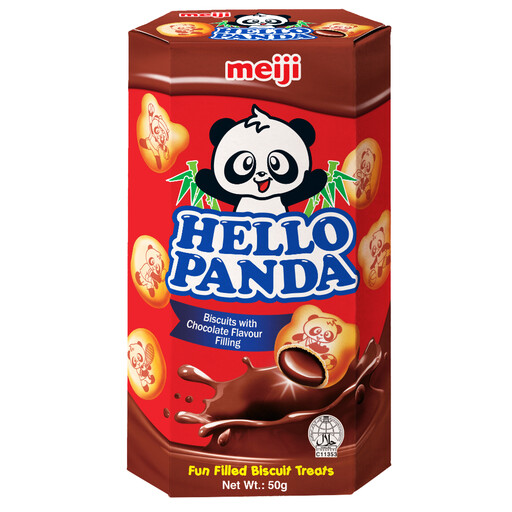
Why This Fits Their Persona: The compact 50g pack is suitable for trying Japanese snacks without committing to a large quantity. Bite-sized biscuits also work well for a lunchbox or individual afternoon treat.
The clearly listed ingredients identify wheat, milk and soya, with possible traces of eggs, peanuts and tree nuts, helping shoppers check suitability before ordering.
Chocolate-filled biscuit pieces; compact 50g format; resealable storage is recommended after opening.
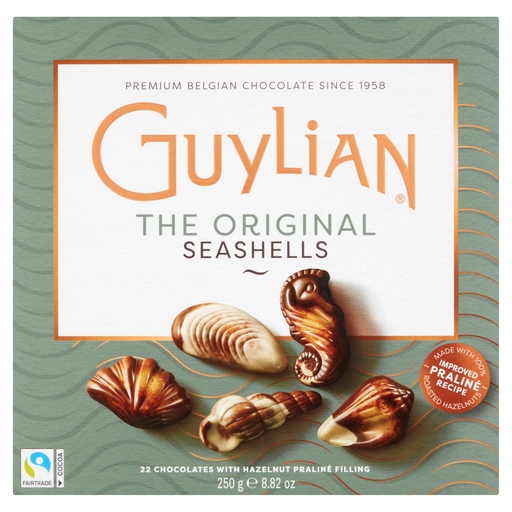
Why This Fits Their Persona: The 250g box is suited to gifting, afternoon tea or serving guests when presentation matters as much as flavour.
The ingredient list states 23% hazelnuts and identifies milk, with possible traces of other tree nuts and wheat, making allergen checking straightforward.
Belgian chocolate praline seashell format; 250g box; stated to be made without palm oil or soya.
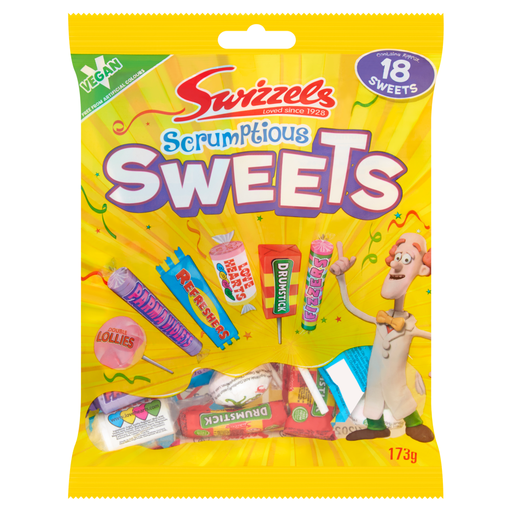
Why This Fits Their Persona: The larger British sweets assortment is practical for parties, family sharing, games nights and sweet tables where different textures are useful.
The pack size is stated clearly, reducing the risk of under-ordering for a group. The ingredient information also notes gelatine and possible traces of milk.
173g assortment; individually wrapped pieces; includes varied British confectionery formats.
For rose-flavoured chocolate, consider the Fry's Turkish Delight 3 Pack. Those seeking mochi can compare the milk and cocoa strawberry varieties, while fans of chewy sweets may prefer grape-flavoured fruit sweets or peach gummies. A resealable pack such as Amos Peelerz Gummy Lychee 65g is convenient for occasional snacking, while a tangy jelly sweet can add variety to a party bowl.
We have compiled a complete, real-time list of products that fully satisfy these strict selection criteria and UK safety regulations.
Suitability depends on the ingredients, size, texture and label guidance. Gummy sweets, jelly sweets and chewy sweets can present choking risks for younger children. Check age recommendations, supervise children when required and review colour warnings and allergens before serving.
Store chocolate biscuits and chocolate sweets in a cool, dry place away from direct sunlight and heat. Mochi may benefit from refrigeration if the packaging recommends it. Follow the product’s storage instructions and consume promptly after opening where stated.
Look for sharing bags, assorted confectionery and individually wrapped products. Options such as a 173g British sweets assortment, a 250g chocolate box or a 125g jelly sweets bag are generally more practical for parties than single 50g snack packs. Always calculate quantities according to the number of guests and check allergens before serving.