
24/7 Customer Support

Free returns

Same-day & Next-day Delivery

Quality Guaranteed

Unlock Your Welcome Offers: FREE Delivery | Up to 80% OFF | Free 30-day JoyPlus trial
Download the APP
Feeling tired, comparing iron tablets for a child or looking for a vegan iron supplement that is kinder to your stomach? The wide choice of iron supplements can make shopping confusing. Gummies, capsules, liquid iron supplement formulas and oral sprays all present different strengths, ingredients and age restrictions.
As the Joybuy Product Recommendation Officer, my aim is to help you separate useful product information from vague marketing claims, so you can choose a format that fits your household and routine.
A higher iron figure is not automatically the right choice. Products may be intended for different age groups, and the amount per capsule, gummy, tablet or daily serving can vary considerably. For example, some children’s products provide 2.5 mg or 3 mg per softie, while adult capsules may provide 20 mg per capsule.
Always check:
Iron supplements should not be used to self-treat suspected anaemia or unexplained tiredness. If fatigue persists, speak to a GP or pharmacist, as tiredness can have many causes.
Terms such as “gentle”, “highly absorbable” and “liposomal” describe a formulation or delivery approach, not a guarantee that every user will experience the same result. Some people find ferrous bisglycinate or food-based formulas easier to tolerate than traditional iron salts, but individual responses vary.
A gentle iron supplement may still be unsuitable if you have an iron-storage condition, take certain medicines or have been advised to avoid iron. Check the label and seek professional advice where appropriate.
Iron gummies and children’s softies are easier to chew, but they must be stored as carefully as iron tablets or capsules. Accidental iron overdose can be dangerous, particularly for young children. Keep every iron-containing product out of sight and reach of children, including empty packaging.
Taste and convenience matter, but they should never override dose control, storage instructions or age suitability.
Look for the elemental iron amount, rather than relying only on the name of the iron compound. A product may contain ferrous fumarate, ferrous bisglycinate, ferric sodium EDTA or another source, while the nutritional panel states the actual iron supplied.
For context, the products below range from 2.5 mg per children’s softie to 20 mg per adult capsule. These are not interchangeable doses. Follow the product label and do not combine multiple iron products unless advised by a healthcare professional.
Common formats include:
Vitamin C is commonly included in an iron and vitamin C supplement. Check the amount supplied and whether you need additional vitamin C from another product. Also review vegan, vegetarian, gluten-free, dairy-free, soy-free and allergen information.
For example, capsule shells may be made from vegetable cellulose, while some chewable products may contain gelatine or coconut-derived ingredients. “Plant-based” should not be assumed: read the ingredients panel.
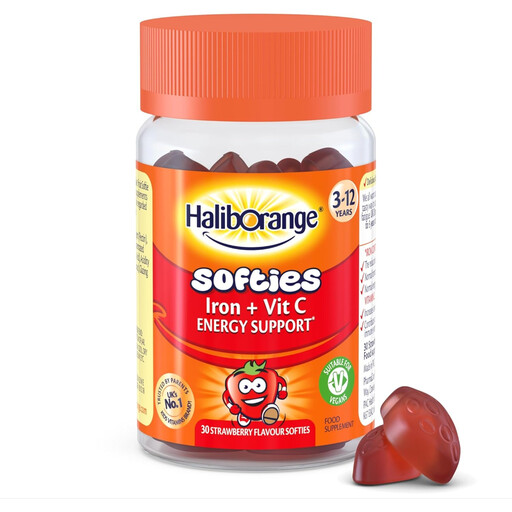
Why This Fits Their Persona: A straightforward option for parents seeking a clearly portioned children’s softie for ages 3 to 12, with one softie per day and a strawberry flavour.
The label specifies 2.5 mg iron and 12 mg vitamin C per softie, reducing confusion about the serving size. It is not intended for children under 3.
Chewable texture, strawberry flavour and added vitamin C; suitable for children aged 3–12 according to the product information.
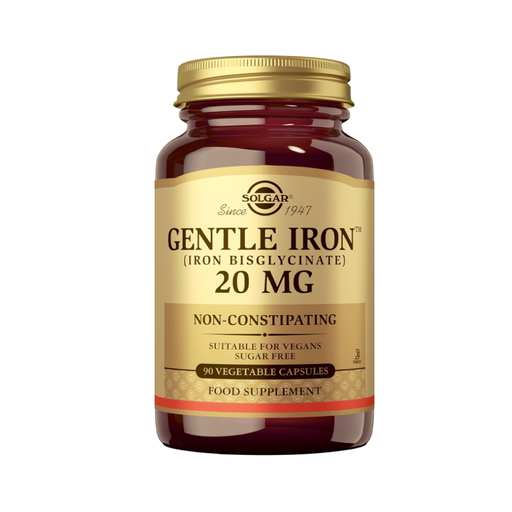
Why This Fits Their Persona: Designed for adults who prefer a vegan capsule with a single 20 mg ferrous bisglycinate serving and a relatively short ingredient list.
It states the iron form, 20 mg amount and adult-use directions clearly, rather than relying only on general energy wording.
Vegan vegetable capsule; 20 mg iron per capsule; free from gluten, wheat, dairy and soya according to the supplied product details.
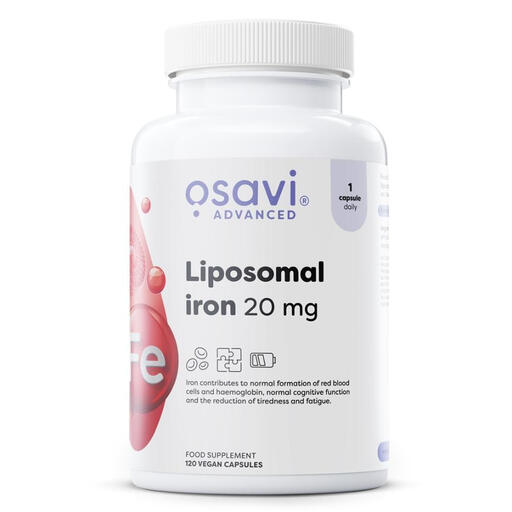
Why This Fits Their Persona: A practical larger-pack choice for adults who want a vegan liposomal iron capsule and prefer to replenish less frequently.
The product information identifies one 20 mg capsule as the daily serving and states that it is for adults, helping prevent accidental use by children.
120 capsules, 20 mg iron per capsule and vegan, gluten-free, lactose-free and soy-free positioning.
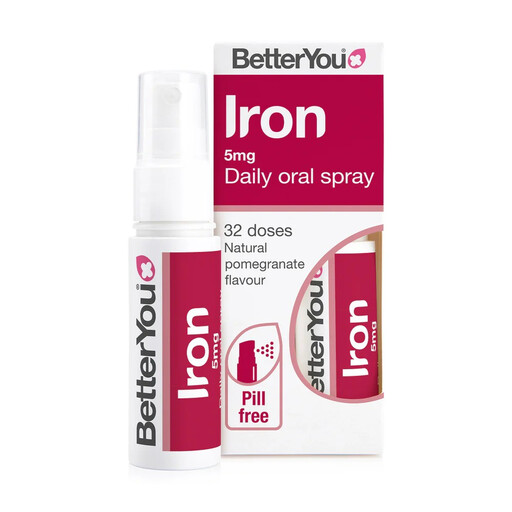
Why This Fits Their Persona: Suitable for shoppers who dislike swallowing iron tablets and want a compact product that does not require food or water.
Age-based spray instructions are provided, from one spray for ages 3–5 to four sprays for ages 13 and above. It is not suitable for people with haemochromatosis.
5 mg iron per four sprays, fruity flavour and water-free administration; suitable for users aged 3 and above according to the label.
We have compiled a complete, real-time list of products that fully satisfy these strict selection criteria and UK safety regulations.
That depends on the user. Gummies may suit children or adults who dislike swallowing tablets, while liquid iron can be easier to measure for people who struggle with capsules. Oral sprays are convenient without water, but the number of sprays must be counted accurately. Capsules remain compact and simple for adults who prefer a fixed serving.
Tea, coffee and calcium-containing foods or supplements may affect iron absorption. Follow the product directions and ask a pharmacist about suitable spacing if you take regular medicines or other minerals. Vitamin C-containing food may be included alongside some formulations, but do not assume that more is needed.
There is no universal duration. Follow the stated serving instructions and seek advice if you suspect deficiency, have ongoing tiredness or are considering supplementation during pregnancy. Do not increase the dose because symptoms have not changed, and arrange professional guidance where iron deficiency may require diagnosis or prescribed treatment.