
24/7 Customer Support

Free returns

Same-day & Next-day Delivery

Quality Guaranteed

Unlock Your Welcome Offers: FREE Delivery | Up to 80% OFF | Free 30-day JoyPlus trial
Download the APP
Trying to recreate that perfect bowl of ramen or a comforting oden hot pot at home can be a rewarding experience. However, sourcing authentic ingredients in the UK often presents a challenge. While major supermarkets are expanding their international aisles, finding specific items like the iconic pink-swirled ramen fish cake or the savoury fried morsels for a hot pot can feel like a treasure hunt.
This guide is designed to help you navigate the world of Japanese fish cakes. We will explore the different types available, what to look for when purchasing and offer some recommendations to help you find the right ingredients for your next culinary creation, all available for delivery in the UK.
Before adding items to your basket, it helps to understand a few key details. This ensures you get the right product for your dish and the quality you expect.
At the heart of almost every Japanese fish cake is surimi, a paste made from white fish meat. The quality and flavour of the final product depend heavily on this base. High-quality surimi is typically made from fish like pollock or threadfin bream, resulting in a springy, pleasant texture and a clean, mild seafood flavour. When browsing, check the ingredients list to see the type of fish used, as this is often an indicator of the product's quality.
Japanese fish cakes come in many forms, each suited to different culinary uses.
Most Japanese fish cakes sold in the UK are frozen to maintain freshness. Always check the storage instructions—most need to be kept at -18°C. Once defrosted, they should typically be consumed within a couple of days. Many are pre-cooked and only need to be heated through, making them a very convenient ingredient for quick meals.
Here are a few selections that stand out for their quality and versatility, perfect for home cooks looking to bring authentic Japanese flavours to their kitchen.
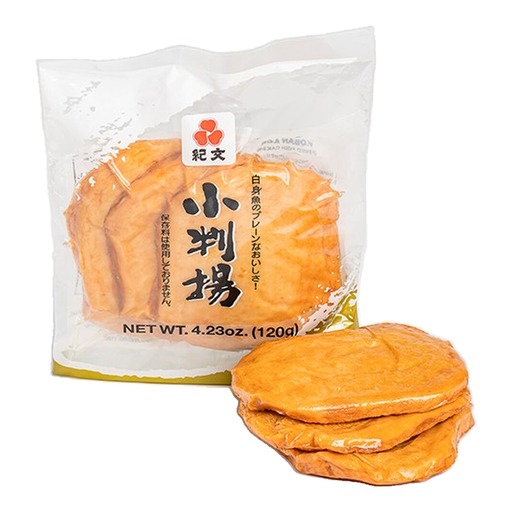
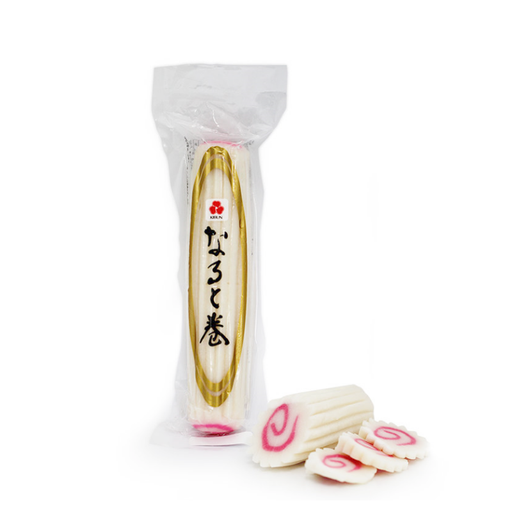
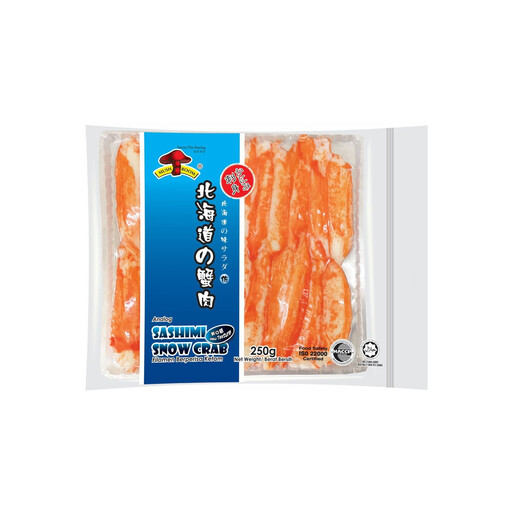
The world of Japanese fish cakes is vast, with countless shapes, textures and flavours to discover. If our recommendations aren't quite what you need for your recipe, or if you're simply curious to see what else is available, you can find a wider selection to suit any dish.
Explore our full range of frozen fish cakes to find the perfect ingredient for your next meal.
What are Japanese fish cakes made of? Japanese fish cakes are made from surimi, a paste created by processing white fish (like pollock or bream) with ingredients such as salt, sugar, egg white and starch. This paste is then formed into various shapes and cooked, usually by steaming, grilling, boiling or frying, to create different types of kamaboko.
How do you cook Japanese fish cakes? Most Japanese fish cakes are sold pre-cooked. For types like narutomaki, you can simply slice and add them to hot ramen or udon just before serving. Fried fish cake varieties are excellent when simmered in the broth of an oden hot pot or added to stir-fries. They can also be lightly grilled or pan-fried and served with a dipping sauce.
Can you eat narutomaki raw? Yes, narutomaki is a steamed and fully cooked product, so it is safe to eat cold or at room temperature. While it is most famously used as a hot soup topping, it is also a popular and colourful addition to bento boxes and cold noodle salads.