
24/7 Customer Support

Free returns

Same-day & Next-day Delivery

Quality Guaranteed

Unlock Your Welcome Offers: FREE Delivery | Up to 80% OFF | Free 30-day JoyPlus trial
Download the APP
The world of Japanese tea is rich and varied, offering everything from vibrant, earthy matcha to comforting roasted blends. However, for UK shoppers, navigating the options can be tricky. Marketing terms can be confusing, and it's easy to end up with a product that doesn't deliver the authentic experience you were hoping for. As a Joybuy Product Recommendation Officer, my role is to help you understand the key differences so you can make a confident choice.
This guide cuts through the clutter, highlighting common pitfalls and explaining what truly matters when selecting a genuine Japanese tea.
Many shoppers are disappointed when their purchase doesn't match their expectations. This often comes down to a few common issues:
To ensure you get a quality product, focus on these three practical parameters instead of marketing hype.
Understanding the main types of Japanese green tea is the first step. Each has a unique flavour profile derived from its processing method.
Checking the origin (e.g., Shizuoka, Uji, Kagoshima) can also be an indicator of the tea's character, as different regions are known for specific flavour profiles.
How you plan to enjoy your tea will determine the best format for you.
Always read the label. For pure teas like sencha or hojicha, the ingredient list should simply be "Green Tea". For matcha powder, it should be "100% Green Tea" or "Matcha". For blends like genmaicha, you should see tea and roasted rice. In instant mixes or bottled drinks, pay close attention to the sugar content and the type of sweeteners used.
Based on these practical criteria, here are a few recommendations tailored to different preferences and lifestyles.
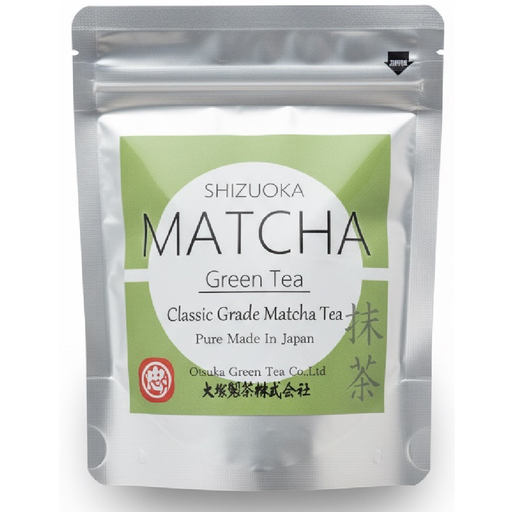
Why This Fits Their Persona: Perfect for those in the UK who love making matcha lattes or experimenting with Japanese-inspired baking. This powder is sourced from Shizuoka, a renowned tea region, and is ground to a fine consistency that blends smoothly into drinks and batters.
This is 100% pure green tea powder. It avoids the misleading "ceremonial grade" trap by offering a quality, versatile matcha with a balanced flavour, without the premium price tag associated with purely ceremonial teas.
Its balanced profile of umami and gentle bitterness makes it highly versatile for both traditional tea preparation and modern culinary creations.
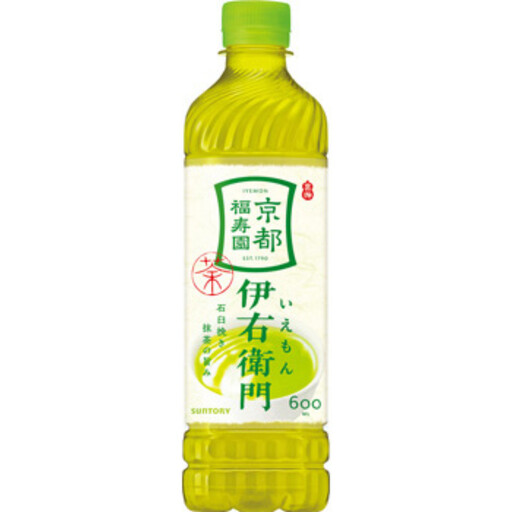
Why This Fits Their Persona: For those needing a quick, authentic refreshment during a busy day. This ready-to-drink green tea offers a genuine Japanese taste without any brewing, making it a perfect grab-and-go option for lunch breaks or commutes.
This product directly counters the hidden sugar pitfall. It is a zero-sugar, zero-calorie beverage, allowing you to enjoy the pure, crisp flavour of Japanese green tea without any unwanted additives.
It provides maximum convenience with an authentic, unsweetened taste, making it a reliable choice for a healthy and refreshing drink anytime.
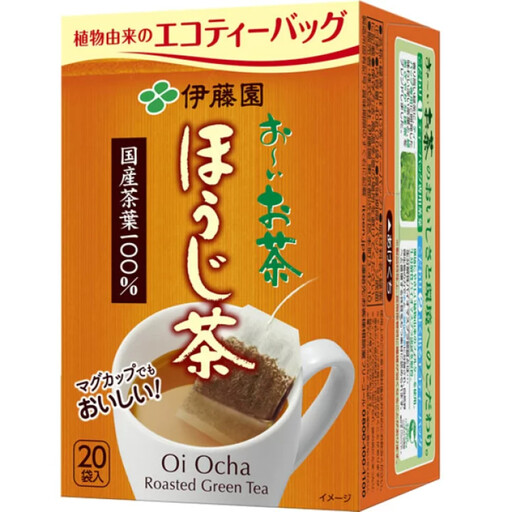
Why This Fits Their Persona: Ideal for someone looking for a warm, comforting drink to wind down with at the end of the day. Hojicha's roasting process gives it a soothing, nutty aroma and, importantly, lowers its caffeine content.
This is a genuine Itoen tea, one of Japan's most respected tea manufacturers. This sidesteps the "authentic" claim trap by providing a product from a trusted Japanese source, ensuring a true hojicha experience.
It offers a rich, toasty flavour with low caffeine, making it suitable for any time of day, especially for a relaxing evening beverage.
We have compiled a complete, real-time list of products that fully satisfy these strict selection criteria and UK safety regulations.
The main difference lies in the preparation and consumption. With regular green tea (like sencha), you infuse the leaves in hot water and then discard them. With matcha, you are whisking a powder of the entire tea leaf into water and consuming it whole. This gives matcha its characteristically rich flavour and texture.
Most Japanese green teas are sensitive to light, air, heat and moisture. To preserve freshness, store your tea in an airtight container in a cool, dark and dry place. For matcha powder, once opened, it is often recommended to store it in the refrigerator to maintain its vibrant colour and flavour.
Caffeine content varies by tea type. Shade-grown teas like matcha and gyokuro tend to have higher caffeine levels than sun-grown teas like sencha. Roasted teas like hojicha and barley tea (mugicha) have very low or no caffeine, making them excellent choices for those who are sensitive to it or want a drink for later in the day.