
24/7 全天候客户支持

免费退货

当日/次日达

品质保障

开启新人专享福利: 全场免邮 | 低至 2 折 | 免费试用 30 天 JoyPlus 会员
下载 Joybuy
Stepping on a stray building block in the middle of the night is a rite of passage for many parents. The colourful chaos of toys can quickly take over a living room, bedroom or playroom, making tidying up feel like a never-ending task. Finding a practical and effective kids toy storage solution can restore order and, more importantly, teach children valuable habits about organisation and responsibility.
As the Joybuy Product Recommendation Officer, my role is to help you find practical solutions that fit your family's needs. This guide will walk you through key features to consider when choosing a toy organiser and highlight a few of our top recommendations for 2026 to help you reclaim your space.
Before you decide, it's helpful to think about what makes a storage unit truly work for a family home. Here are a few key points to consider.
When selecting any piece of nursery furniture or playroom equipment, safety comes first. Look for units constructed from sturdy materials like MDF and steel or robust, non-toxic plastic. Important safety features include:
A good kids storage unit should be more than just a box. The goal is to make it easy for children to find their toys and, crucially, put them away.
Children's furniture needs to withstand daily wear and tear. Look for materials that are easy to clean—a wipeable surface is a parent's best friend. Aesthetically, modern designs in neutral colours like grey, white or cream can blend seamlessly with your existing decor, ensuring the playroom storage looks good for years to come, even as your child's tastes change.
Based on features that parents value—like safety, capacity and ease of use—here are some standout options to consider for your home.
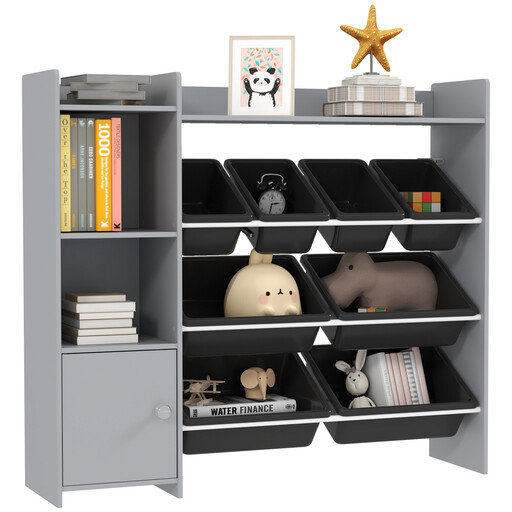
Why It Stands Out: This unit is a comprehensive organisational system. It combines multiple storage types into one cohesive piece, making it a true workhorse for a busy playroom.
Pros:
Who is it for? This is an excellent choice for families with a large and varied toy collection who need a single unit to organise everything from books to building blocks.
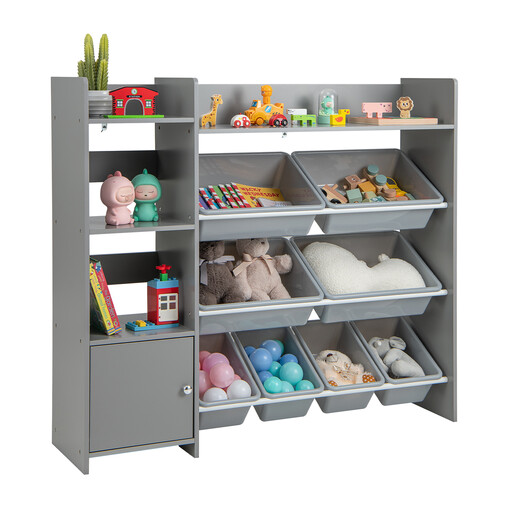
Why It Stands Out: This organiser offers a similar high-capacity design but places a strong emphasis on specific safety enhancements, providing extra peace of mind.
Pros:
Who is it for? Parents who prioritise enhanced safety features alongside a high-capacity, multi-functional storage solution.
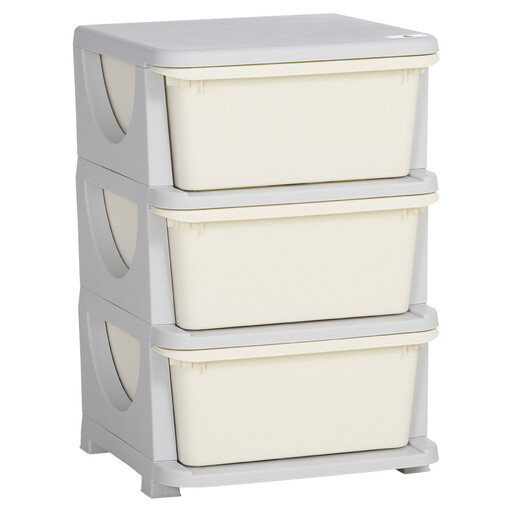
Why It Stands Out: This unit offers a simple, compact and effective alternative to a traditional children's toy box. Its vertical design is perfect for rooms where floor space is at a premium.
Pros:
Who is it for? Families looking for a straightforward and compact storage solution for a bedroom or a smaller play corner.
While these recommendations cover a range of needs, every home is different. If you're looking for a different size, style or configuration, there are many other possibilities to explore.
Discover more solutions by browsing our full collection of toy storage cabinets to find the perfect fit for your home.
The most effective method is to sort and categorise. Use a toy organiser with multiple compartments or bins. Label each bin with a picture or word (e.g., "cars," "dolls," "blocks") to help your child identify where things go. Rotate toys every few weeks to keep them feeling new and to reduce the amount of clutter out at any one time.
You can introduce a simple children's toy box or low-level bins as soon as a child is mobile, around age one or two. A more structured kids storage unit, like the ones recommended for ages 3-8, is ideal for preschoolers. At this age, they can understand the concept of "putting things back where they belong" and begin to build lifelong habits of tidiness.
Always choose a unit with a stable, wide base. Most importantly, use the anti-tip kit that is often included. Securing the furniture to the wall is the most reliable way to prevent accidents. Also, check for rounded edges and ensure any drawers or bins are easy for a child to open and close without pinching their fingers.