
24/7 Customer Support

Free returns

Same-day & Next-day Delivery

Quality Guaranteed

Unlock Your Welcome Offers: FREE Delivery | Up to 80% OFF | Free 30-day JoyPlus trial
Download the APP
From mopping up spills to polishing surfaces, the humble kitchen roll is a staple in almost every UK home and business. Yet, choosing the right one can feel like a lottery. You grab a pack that promises superior absorbency, only to find it disintegrates at the first sign of moisture. It’s a common frustration that leads to wasted money and more work.
As the Joybuy Product Recommendation Officer, my role is to help you see past the flashy packaging and confusing claims. Many of us have fallen into the same traps: being swayed by a high ply count that offers no real strength, or buying a "super absorbent" roll that requires a handful of sheets for a simple spill. Let's look at the key factors that truly matter, so you can choose a product that genuinely meets your needs, whether for a busy family kitchen or a demanding commercial environment.
Before you buy your next roll, be aware of these common marketing tactics and product flaws that often lead to disappointment:
To make an informed choice, focus on these objective parameters instead of marketing buzzwords.
While ply count refers to the number of paper layers, GSM measures the paper's density and weight. A higher GSM generally indicates a stronger, more durable and more absorbent paper. For instance, a single-ply blue roll with a high 38gsm can be tougher than a 2-ply household towel with a low GSM. When comparing products, consider both ply and GSM for a true picture of its quality.
The material dictates the roll's performance and environmental credentials.
Based on these practical criteria, here are some recommendations matched to different user needs across the UK.
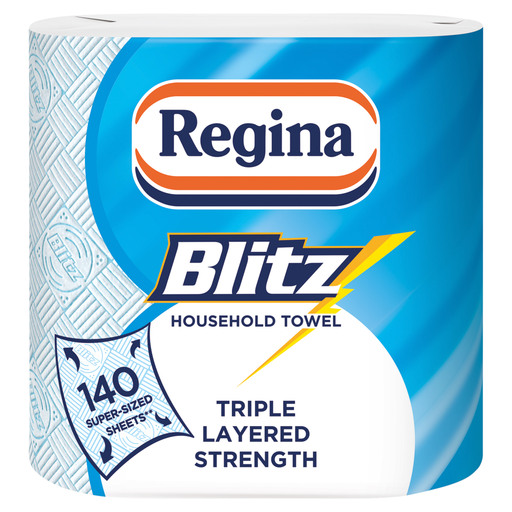
Why This Fits Their Persona: For those who need a towel for more than just kitchen spills—think DIY projects, car cleaning or deep-cleaning the house. Its design is focused on strength and tackling tough messes.
It avoids the ply count deception. The 3-ply structure is made from pure cellulose, delivering genuine strength and durability that resists tearing when wet, proving its worth beyond just the number of layers.
Features 70 extra-large sheets per roll with a unique texture, providing excellent scrubbing power and coverage for big jobs without falling apart.
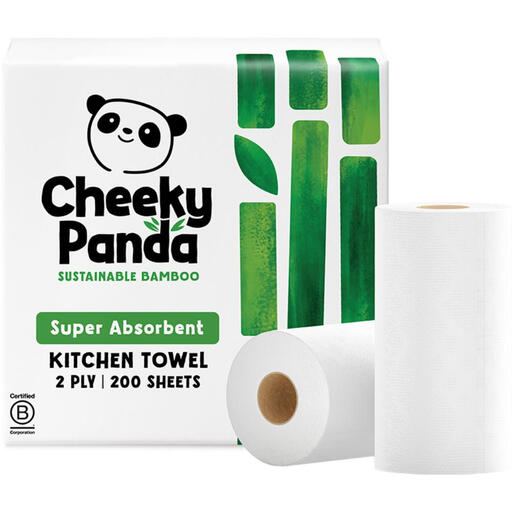
Why This Fits Their Persona: Perfect for UK households aiming to reduce their environmental footprint. This choice prioritises sustainability from product to packaging without compromising on everyday cleaning performance.
This product avoids the eco-compromise. The FSC certified bamboo is naturally strong and absorbent, meaning you don't need extra sheets. The plastic-free paper packaging ensures its green credentials are genuine.
Made from 100% sustainable bamboo, it is hypoallergenic and free from harsh chemicals. The 2-ply design is effective for daily spills and cleaning.
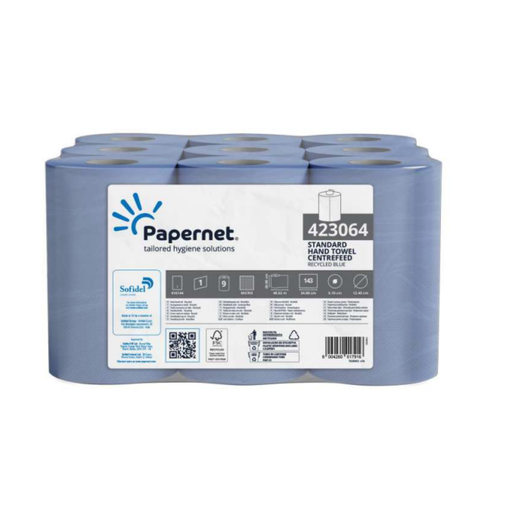
Why This Fits Their Persona: Ideal for workshops, commercial kitchens and offices. This is a classic blue roll designed for hygiene, durability and cost-effective dispensing in high-traffic environments.
This roll proves that ply count isn't everything. Despite being 1-ply, its high 38gsm paper weight provides the necessary strength for industrial wiping tasks. The centrefeed format also prevents wasteful use.
The distinctive blue colour is crucial for food safety environments to avoid cross-contamination. It's a durable and economical choice for professional use.
We have compiled a complete, real-time list of products that fully satisfy these strict selection criteria and UK safety regulations.
The main differences are purpose and appearance. Blue roll is typically used in commercial and industrial settings like garages or professional kitchens. Its blue colour, often required by food safety standards, makes it easily visible to prevent it from accidentally contaminating food. It is generally engineered for durability and high absorbency for heavy-duty tasks. Standard white kitchen roll is designed for general domestic use, often balancing softness with strength for everyday spills.
While you can't physically test it in the shop, there are clues on the packaging. A higher ply count (e.g., 3-ply) can be an indicator, but it's more reliable when paired with a high-quality material like pure cellulose or bamboo. Look for descriptive terms like "embossed" or "textured," as the patterns pressed into the paper create pockets that help trap liquid and improve absorbency. If the paper weight (GSM) is listed, a higher number usually points to a more absorbent kitchen roll.