
24/7 Customer Support

Free returns

Same-day & Next-day Delivery

Quality Guaranteed

Unlock Your Welcome Offers: FREE Delivery | Up to 80% OFF | Free 30-day JoyPlus trial
Download the APP
Konjac snacks offer something different from conventional crisps: a springy, chewy texture, bold seasoning and convenient individual portions. They are particularly appealing to UK shoppers looking for spicy konjac snacks, vegetarian tripe-style bites or distinctive Asian snacks online.
However, the product name alone does not tell you whether a pack suits your diet, taste or routine. A few common buying traps can lead to disappointment.
Some konjac products provide around 84–134 kcal per 100g, while others are higher because of oils, sesame paste, peanut butter or starch. A lower calorie figure does not automatically mean lower salt or fat. For example, the listed hot-and-sour product provides 109 kcal per 100g but 8.2g of salt, while a sesame-based option provides 155 kcal and 3.5g of salt per 100g.
Always read the full nutrition panel rather than relying on front-of-pack wording such as “light” or “guilt-free”.
“Vegetarian tripe” generally refers to the shape and chewy mouthfeel, not a single standard recipe. Konjac flour may be combined with tapioca starch, vegetable oil, soy protein, sesame, peanuts, wheat or other seasonings.
Those following a plant-based diet should still check the complete ingredient list. Anyone with allergies should pay close attention to the allergen declaration, particularly for soybean, sesame, peanuts, wheat, gluten and molluscs.
A large outer bag may contain 20 or more small sachets, making it useful for work, travel or sharing. But the total weight varies considerably. Some packs are 105g, while boxed formats may contain 252g, 300g, 360g or more.
Ready-to-eat konjac snack packs are convenient, but storage instructions differ. Many should be kept in a cool, dry place and consumed promptly after opening. Products containing preserved vegetables or wetter sauces may require refrigeration once opened.
Konjac is valued for its chewy, bouncy texture, but recipes can vary from smooth and soft to crisp, wavy or firm. If you enjoy Sichuan flavours, look for mala konjac snack descriptions featuring chilli and Sichuan pepper. These typically combine heat with a numbing sensation.
For a milder savoury option, consider a sesame paste konjac snack. Sesame and peanut-based sauces tend to taste creamy, nutty and aromatic rather than simply hot. Barbecue versions may include cumin, chilli and smoky seasoning.
Use the per-100g panel to compare products fairly. Check:
A low-calorie konjac snack can fit a lighter snacking routine, but it should not be treated as a substitute for a balanced meal.
Individually wrapped konjac snacks are useful for desk drawers, packed lunches, journeys and casual entertaining. Small sachets also make portion sizes easier to understand. A 20-pack of 18g portions, for example, offers a different experience from a single 105g bag.
Check whether the product is explicitly labelled ready to eat. Konjac noodles, boards and cooking ingredients are not interchangeable with snacks and may require rinsing, boiling or stir-frying before consumption.
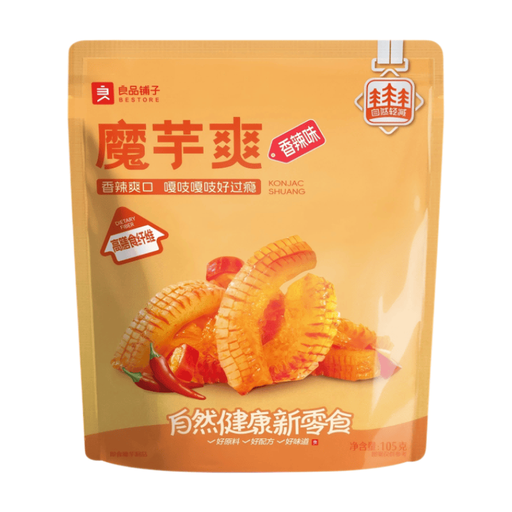
Why This Fits Their Persona: The 105g format is a manageable way to try a spicy, chewy snack without committing to a larger sharing box.
The listing gives clear per-100g nutrition: 87 kcal and 1.11g salt, helping shoppers compare rather than rely on vague claims.
Ready to eat; compact 105g pack; spicy flavour with 87 kcal per 100g.
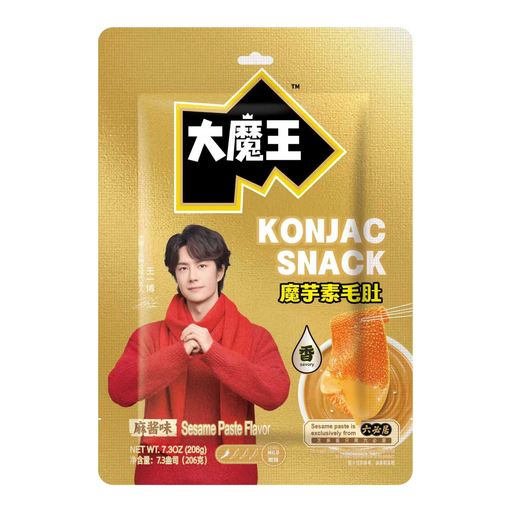
Why This Fits Their Persona: A sesame paste recipe suits shoppers who prioritise aromatic, savoury flavour over intense chilli heat.
The pack contains 23 individually wrapped portions, making the total quantity and serving format clear.
131 kcal per 100g; sesame paste flavour; ready to eat and portioned for sharing.

Why This Fits Their Persona: The 18g × 20 format works well for offices, parties, travel bags and regular fans of Chinese konjac snack flavours.
The individual pack count is stated clearly, while the allergen information identifies soy and wheat.
360g boxed quantity; 20 individually wrapped packs; 114 kcal per 100g.
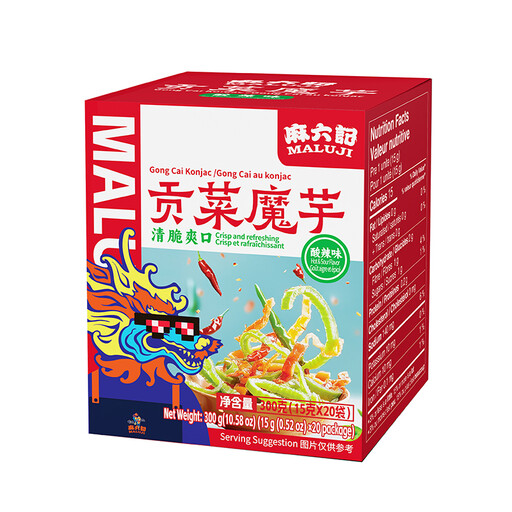
Why This Fits Their Persona: The combination of crunchy preserved vegetable and chewy konjac offers more textural contrast than a plain konjac strip.
The product is clearly labelled ready to eat and supplies 20 × 15g sachets, rather than leaving serving size unclear.
84 kcal per 100g; sour and spicy seasoning; individually portioned packs.
We have compiled a complete, real-time list of products that fully satisfy these strict selection criteria and UK safety regulations.
Many snack products are ready to eat directly from the sachet. Check the usage instructions carefully, as konjac boards and noodles may require rinsing or cooking and are not the same as ready-to-eat snack packs.
Many vegetarian tripe-style products use konjac, starch and plant-based seasoning. Nevertheless, recipes differ. Check the ingredient list for animal-derived flavourings, squid ink seasoning, mollusc allergens and other ingredients before buying.
Keep unopened packs in a cool, dry place away from direct sunlight and moisture, following the product label. After opening the outer bag, keep individual sachets sealed. Wet products may require refrigeration after opening, so follow the specific storage instructions and consume promptly.