
24/7 Customer Support

Free returns

Same-day & Next-day Delivery

Quality Guaranteed

Unlock Your Welcome Offers: FREE Delivery | Up to 80% OFF | Free 30-day JoyPlus trial
Download the APP
The rising popularity of Korean culture in the UK has brought its vibrant cuisine into our kitchens. From sizzling barbecue to fiery stews, the key to unlocking those authentic flavours lies in the sauce. However, navigating the world of Korean cooking sauces can be tricky. With so many options available, it's easy to end up with a product that doesn't deliver the taste you were hoping for.
As the Joybuy Product Recommendation Officer, my role is to help you sidestep common purchasing mistakes. Many home cooks find themselves disappointed by sauces that are either overly sweet or simply mislabelled, leading to wasted money and lacklustre meals. Let's look at the frequent pitfalls and how to choose wisely.
To ensure you're getting the right product for your needs, focus on these key parameters. Understanding them will help you differentiate between a genuine pantry staple and a poor imitation.
The heart of Korean flavour comes from three fermented pastes, collectively known as 'Jang'.
It's crucial to distinguish between a foundational paste and a convenient, all-in-one sauce.
Instead of a generic list, we've matched our recommendations to specific types of home cooks. This ensures you get a product that truly fits your needs and helps you avoid the pitfalls mentioned earlier.
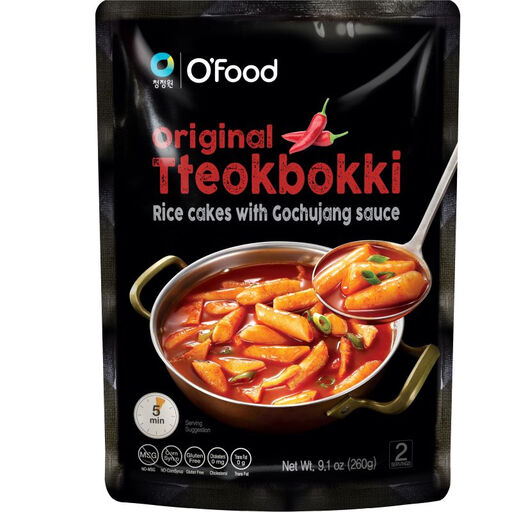
Why This Fits Their Persona: You've seen tteokbokki (spicy rice cakes) in a show and want to try it without fuss. This single-use pouch provides the exact sauce needed to create an authentic street-food-style meal for one or two people in minutes. It's the perfect low-commitment entry point.
It's a purpose-built tteokbokki sauce, preventing the "wrong tool for the job" error. The 120g portion size eliminates the risk of buying a large tub that goes to waste.
Delivers a balanced spicy and savoury flavour, designed to create a thick, glossy sauce that clings perfectly to rice cakes. Extremely convenient for a quick meal.
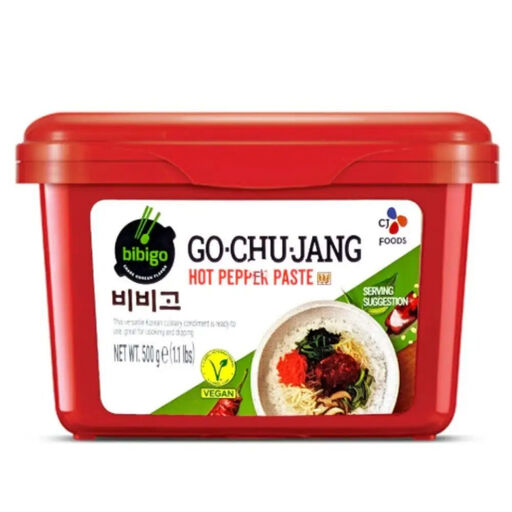
Why This Fits Their Persona: You're ready to move beyond kits and build a proper Korean pantry. This gochujang from a reputable brand like Bibigo is the versatile cornerstone you need for countless recipes, from stews (jjigae) to marinades and bibimbap sauce.
This is a true fermented base paste, not a westernised "hot sauce". Its ingredients reflect a traditional production method, providing the authentic deep, savoury flavour that overly sweet sauces lack.
Highly versatile for a wide range of dishes. The 500g tub offers good value for regular use, and the paste is made with a focus on K-fermentation for a deep, savoury taste.

Why This Fits Their Persona: You're planning a Korean barbecue night and need a reliable, flavourful marinade for beef (like bulgogi or galbi). This ready-to-use Korean BBQ sauce from CJ is designed specifically for that purpose, ensuring a delicious, caramelised result on the grill.
This sauce avoids the "too sweet" trap by including pear puree, a traditional ingredient that adds natural sweetness and helps tenderise the meat, delivering a more complex flavour than a simple sugar-based sauce.
A convenient all-in-one marinade that infuses beef with a rich, sweet-savoury flavour. The blend of soy, garlic and pear puree creates an authentic taste with minimal effort.
We have compiled a complete, real-time list of products that fully satisfy these strict selection criteria and UK safety regulations.
1. What is the difference between gochujang and ssamjang?Gochujang is a fundamental fermented chilli paste used as a base ingredient in cooking. Ssamjang is a ready-to-eat dipping sauce made from a blend of gochujang, doenjang (soybean paste), garlic and sesame oil. You cook with gochujang, but you typically use ssamjang as a condiment for grilled meat wraps.
2. How long do Korean fermented pastes last after opening? Once opened, fermented pastes like gochujang and doenjang should be refrigerated. They are well-preserved by salt, but it's a good practice to use a clean spoon each time to avoid contamination. They can last for up to a year in the fridge, though their colour may darken over time. Pre-made sauces, especially those with less salt or more fresh ingredients, usually have a shorter shelf life of a few weeks to a few months, so always check the packaging.
3. Can I use Korean BBQ sauce for dishes other than grilling? Absolutely. A good Korean BBQ sauce is very versatile. It works well as a marinade for oven-baked or pan-fried meats and can be used as a flavourful base for a quick stir-fry with vegetables and noodles. You can also use it as a glaze for roasted vegetables or even as a dipping sauce for spring rolls.