
24/7 Customer Support

Free returns

Same-day & Next-day Delivery

Quality Guaranteed

Unlock Your Welcome Offers: FREE Delivery | Up to 80% OFF | Free 30-day JoyPlus trial
Download the APP
Choosing Lee Kum Kee sauces and condiments can make Chinese and wider Asian cooking more convenient, but a large range can also make shopping confusing. A jar labelled “stir-fry sauce” may be too sweet for your recipe, while a small sachet may offer convenience without being suitable for regular family cooking.
This guide explains what to check before buying Chinese sauces, Sichuan sauces, oils, vinegars and seasonings. It also matches selected products to different cooking habits, from quick weekday meals to more specialised dishes.
Ready-to-use sauces reduce preparation, but they do not always replace other ingredients. A Sichuan-style sauce may still require tofu, meat or vegetables, cooking oil and water. Check the usage instructions before assuming one sachet will season an entire dish.
For example, the LEE KUM KEE Ma-Po Tofu Sauce 80g is designed as a convenient base for Sichuan-style tofu, while the Spicy Garlic Stir Fry Sauce 80g is intended to be cooked with ingredients and some water.
Words such as “sweet”, “spicy”, “aromatic” and “rich” describe flavour direction rather than precise intensity. A honey and soy stir-fry sauce contains 28.8g of sugars per 100g, whereas the Chilli Bean Sauce contains 11.3g of salt per 100g. These figures can affect how much sauce you use and whether you need additional soy sauce, sugar or salt.
The ingredient list is particularly important when choosing between sweet and sour sauce, hoisin-style sauce, chilli bean sauce and vegetarian oyster sauce.
Many Chinese seasonings contain soybean and wheat, and some also contain sesame, peanuts or molluscs. The Satay Hot Pot Soup Base, for instance, lists peanuts, wheat, sesame and soybeans. Spicy Bean Sauce includes oyster extract, so it is not suitable for vegetarians or vegans.
After opening, several products require refrigeration. Check the label rather than relying on the unopened storage guidance.
Small 60g–80g sachets are useful for trying a flavour or preparing one quick meal. Larger bottles and jars, such as 340g Spicy Bean Sauce or 397g Char Siu Sauce, may offer more practical value for households that cook Chinese food regularly.
However, a larger pack is only economical if you can use it before the recommended post-opening period. Compare net quantity, storage requirements and your likely usage rather than choosing solely by shelf price.
Match the product to the dish:
Ingredients are generally listed by weight, so the first ingredients provide useful context about the formulation. Also compare salt and sugar per 100g or 100ml. For example, the Ma-Po Tofu Sauce lists 18.8g salt per 100g, while the Seasoned Mature Vinegar lists 1.7g per 100ml.
These figures do not determine whether a product suits your diet, but they help you adjust portion size and avoid adding unnecessary extra seasoning. People with allergies should read the full UK label and follow the latest manufacturer information.
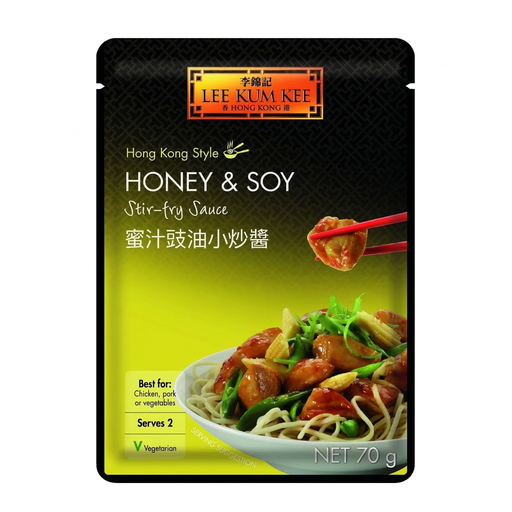
Why This Fits Their Persona: A compact sachet-style option for UK shoppers trying Asian cooking sauces without committing to a large jar. It suits quick weekday stir-fries with vegetables, noodles or protein.
Its 70g format limits unused leftovers, while the product description clearly identifies it as a honey and soy stir-fry sauce rather than a general-purpose seasoning.
Quick to use; contains soy sauce and honey; refrigerate after opening.

Why This Fits Their Persona: Suitable for cooks who want a clearly specified finishing oil for dressings, dipping sauces and final drizzling over noodles or vegetables.
The ingredient specification states 100% black sesame oil, avoiding confusion between pure sesame oil and blended products.
100% black sesame oil; ready to use; contains sesame and should be refrigerated after opening.
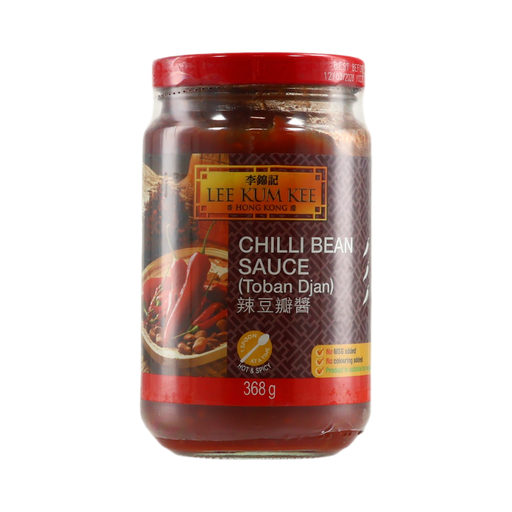
Why This Fits Their Persona: A larger cooking jar for Sichuan and Hunan-style dishes, including mapo tofu, braises and chilli-led stir-fries.
The label identifies it as a fermented broad bean and chilli sauce, so shoppers can distinguish it from a mild, sweet stir-fry sauce.
368g net weight; suitable as a cooking base; fry briefly in oil to release aroma; contains wheat and soybeans.

Why This Fits Their Persona: Designed for stir-fried vegetables, tofu, noodles and dipping sauces where a savoury, mushroom-based seasoning is preferred.
Its product description specifically identifies a vegetarian oyster-style flavour without oysters, helping shoppers avoid accidentally selecting a seafood-containing sauce.
Ready to use; suitable for stir-frying, braising and dipping; contains soybeans, so check dietary requirements.
We have compiled a complete, real-time list of products that fully satisfy these strict selection criteria and UK safety regulations.
The Honey & Soy Stir-Fry Sauce is a straightforward option for a sweet and savoury dish. For a stronger garlic and chilli profile, consider the Spicy Garlic Stir Fry Sauce. Use the amount recommended on the packaging and adjust other salty ingredients accordingly.
There is no single lifespan for every product. Some labels advise refrigeration and prompt consumption, while others provide a specific period such as one month. Always follow the storage and date guidance printed on the individual bottle, jar or sachet.
Some are, including vegetarian oyster-style and mushroom-based stir-fry sauces. Others may contain oyster extract, fish-related ingredients, honey, wheat or soybeans. Read the complete ingredient list and allergen statement rather than relying only on the product name.