People planning a lower-calorie snack with protein
A plain rice cake can form the base, but its protein contribution is small. The accompanying food and the number of cakes determine what the complete snack contains.


Plain lightly salted rice cakes can be a low-calorie base, but the Kallo, Tesco and Asda examples list just 0.6–0.7 g protein per cake. Add a separate protein food if the whole snack needs to contribute more protein. A protein-enriched cake puts more protein in the cake itself, but compare energy for the portion you will eat: M&S lists 24.8 g protein and 451 kcal per 100 g for its Barbecue High Protein Rice Cakes.
A plain rice cake can form the base, but its protein contribution is small. The accompanying food and the number of cakes determine what the complete snack contains.
A protein-enriched product is worth comparing by portion as well as per 100 g. The M&S Barbecue High Protein Rice Cakes list 24.8 g protein and 451 kcal per 100 g, so the protein figure alone does not describe the whole choice.
Check the exact flavour and current pack rather than relying on the words “rice cake”. Kallo’s plain product carries a precautionary milk, sesame and soya statement, while the listed Snack a Jacks Sour Cream & Chive product contains milk.
Choose whether the cake is a base for another food or needs to contribute protein itself. Then compare the portion you expect to eat, including any topping or side.
| Priority | What to check | Your needs |
|---|---|---|
| Energy and portion | Read kcal per cake alongside cake weight and kcal per 100 g. Kallo and Tesco list 27 kcal per plain cake, while Asda lists 30 kcal; Kallo lists 84 kcal per milk-chocolate-coated cake. | I want to count the cakes I will actually eat, rather than assume every plain or coated version has the same energy. |
| Protein contribution | Compare protein for the intended serving and per 100 g. Kallo’s plain cake lists 0.6 g protein per cake; Tesco and Asda list 0.7 g. M&S lists 24.8 g per 100 g for its Barbecue High Protein Rice Cakes. | If I want the cake itself to contribute protein, I need to compare an enriched product with plain cakes on a portion I would eat. |
| Complete snack | Include any topping or side when checking the snack’s energy and protein. A plain cake’s nutrition figures do not include food added to it. | I may prefer a plain base with a separate protein food, but the amount I add matters to the whole snack. |
| Flavour and coating | Use the nutrition panel for the exact variant. Tesco lists 37 kcal and 0.8 g protein per snack for Snack a Jacks Sour Cream & Chive Jumbo; Kallo lists 84 kcal per cake for its milk-chocolate version. | A ready-to-eat flavour appeals to me, but I do not want to apply a plain cake’s figures to a different product. |
| Ingredients and allergens | Read the current ingredients, allergen and precautionary statements for the exact pack. Kallo says its plain Organic Lightly Salted cakes may contain milk, sesame and soya; Tesco lists milk in the Sour Cream & Chive snack and precautionary information for wheat, soya and mustard. | If I need to avoid an ingredient or require a particular gluten status, I need the declaration for the product and flavour I am buying. |
Plain Kallo, Tesco and Asda examples list only 0.6–0.7 g protein per cake. Several cakes add to the portion without making the cakes themselves a substantial protein component.
Decide how many cakes you want, then compare the energy and protein of the complete snack if you add another food.
M&S lists 24.8 g protein and 451 kcal per 100 g for its Barbecue High Protein Rice Cakes, compared with 9.6 g protein and 386 kcal per 100 g for its Lightly Salted Rice Cakes. The higher protein figure comes with a different energy figure.
Compare both products for the portion you would eat, rather than choosing from the protein wording alone.
Kallo lists 84 kcal per milk-chocolate rice cake, against 27 kcal for its Organic Lightly Salted cake. Flavoured products can also have different ingredients and allergen statements.
Check the exact coating or flavour, using both per-cake and per-100 g information where it is shown.
The serving size, ingredients and allergen declaration relevant to your decision are those on the product you receive. This matters particularly when avoiding an allergen or following a prescribed eating plan.
Read the current pack’s nutrition panel and ingredient statements before eating.
These examples describe particular products, not every rice cake or variant made by each brand.
Its Organic Lightly Salted rice cake is an example of a plain base; its milk-chocolate version has a different energy figure.
The listed Lightly Salted and Barbecue High Protein products illustrate two different ways to build a rice-cake snack.
Tesco Lightly Salted Rice Cakes are a plain brown-rice-and-sea-salt example.
Its listed Lightly Salted Wholegrain Rice Cakes offer another plain-cake portion to compare.
Asda Slightly Salted Rice Cakes are a plain brown-rice-and-sea-salt option.
The listed Sour Cream & Chive Jumbo product is a flavoured rice-and-corn snack rather than a plain rice cake.
These options cover a plain rice cake, a flavoured rice-and-corn cake and a lentil-cake alternative. They serve different snack plans, so compare each product’s current pack for the portion, protein and allergens that matter to you.
 No image available
A lentil-cake alternative if you are considering a snack other than rice cakes. Compare the pack’s protein and energy for the portion you intend to eat before choosing it for a high-protein eating pattern.
 No image available
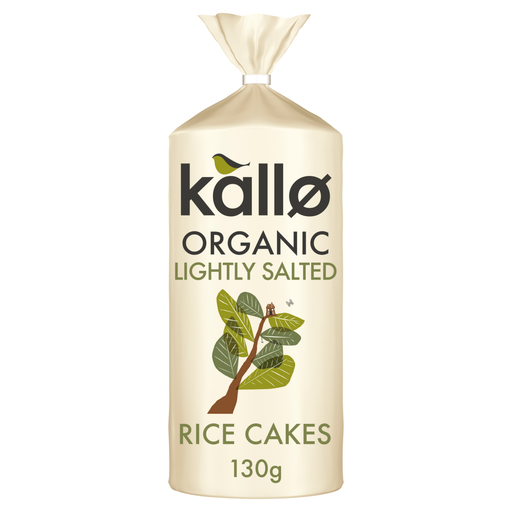
A plain rice-cake base to pair with a separately chosen protein food. Kallo lists 27 kcal and 0.6 g protein per cake, so include any topping when assessing the complete snack. The product may contain milk, sesame and soya.
 No image available
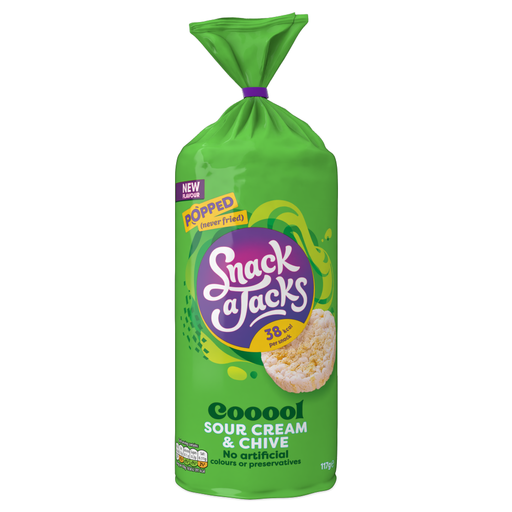
A flavoured snack rather than the main protein component of a high-protein snack. The listed Sour Cream & Chive product contains milk; check the current pack for its per-snack nutrition and other allergen statements.
Not in the listed Kallo, Tesco, Asda and Sainsbury’s examples: their plain cakes provide 0.6–0.7 g protein each. If you want the complete snack to contain more protein, consider a separate protein food and compare the figures for everything you plan to eat.
Not necessarily. M&S lists 24.8 g protein and 451 kcal per 100 g for its Barbecue High Protein Rice Cakes, versus 9.6 g protein and 386 kcal per 100 g for its Lightly Salted Rice Cakes. Compare the intended portions as well as the per-100 g figures.
A low-calorie snack focus may not fit that plan. University Hospitals Coventry and Warwickshire NHS Trust describes high-protein, high-calorie guidance for people who have lost weight through illness; follow the individual plan given by your clinician or dietitian rather than applying this general snack comparison to it.
No: check the exact product and current pack. Kallo labels its Organic Lightly Salted product gluten free but says it may contain milk, sesame and soya. The listed Snack a Jacks Sour Cream & Chive product contains milk and carries precautionary information for wheat, soya and mustard.
Check cake or serving weight, kcal and protein per serving, and the figures per 100 g. Read the ingredients and allergen statements for the exact flavour too, particularly when comparing a plain cake with a coated, flavoured or protein-enriched product.