For a quick desk lunch, treat the maize-first puffs considered here as a crunchy side rather than the protein component: Walkers UK lists 1.2g of protein per pack for both Wotsits Cheese and Monster Munch Pickled Onion, while Tesco Groceries lists 2.0g per 30g serving for Frazzles. If you want the snack itself to provide more protein, compare dedicated protein products by their per-serving labels and ingredients; the Joybuy options below are bars and lentil cakes, not maize puffs.
Who is this choice for?
Desk-lunch shoppers focused on protein
If you expect the snack to contribute much of your lunch’s protein, look at the amount in the portion you will eat. The small packs considered here make more sense alongside another protein food than as the protein component on their own.
Shoppers building lunch around a savoury snack
A portable puff or crisp can provide the crunchy part of a no-preparation lunch. Compare pack sizes and salt per portion, then decide what else you want with it rather than relying on a cheese or maize ingredient cue.
Shoppers checking allergens
The reviewed flavours have different ingredients and declarations concerning milk, soya, wheat, barley and other allergens. Check the exact pack you will eat; a familiar brand name does not establish that every flavour has the same ingredients.
What should you check before buying?
Keep a maize or corn snack as a side
Choose this when: You want a small savoury crunch and your desk lunch has another protein food.
Bear in mind: A small pack may contribute little protein even when an ingredient sounds protein-rich.
Choose a dedicated protein snack
Choose this when: You want the snack itself to make a larger protein contribution and do not need it to be a maize puff.
Bear in mind: A bar or lentil cake is a different food format; check its portion, ingredients and allergens on its own label.
| Priority |
What to check |
Your needs |
| Protein per portion |
Read protein per pack or serving as well as per 100g. Check the serving size before comparing a small puff pack with a larger snack. |
I want the food I actually eat at lunch to contribute protein, not just to have a protein-containing ingredient. Walkers UK lists 1.0g per 12g pack for Wotsits Cheese Toastie, despite its label listing 8.0g per 100g. |
| Salt and pack size |
Compare salt per 100g on the same basis, then read the amount for your portion. NHS food-label guidance describes more than 1.5g salt per 100g as high. |
A small pack is convenient at my desk, but I also want to know its salt content. Tesco Groceries lists 2.7g salt per 100g for the reviewed Frazzles sharing bag. |
| Ingredients and allergens |
Read the first ingredients and the allergen declaration for the exact flavour and format. Do not group all puffed snacks together as maize-first products. |
If a maize base matters to me, I need to distinguish it from potato- or tapioca-based snacks. Tesco Groceries describes Quavers as a potato snack and Skips as a tapioca snack containing maize flour. |
Common buying mistakes
-
Taking an ingredient cue as proof of substantial protein
Maize, cheese or chickpea in a snack’s name does not tell you how much protein its pack provides. Walkers UK lists 1.0g per 12g pack for Wotsits Cheese Toastie.
Compare protein for the portion you plan to eat. If that amount does not meet your lunch plans, add another protein food or compare a dedicated protein snack.
-
Assuming every familiar puff is maize-based
Choosing by shape alone can lead to the wrong ingredient assumption: Tesco Groceries describes Quavers as a potato snack and Skips as a tapioca snack with maize flour.
Read the product description and first ingredients for the particular flavour and pack.
-
Checking calories but overlooking salt
Per-100g salt can be relatively high even when the pack is small. NHS guidance places more than 1.5g salt per 100g in its high category; Tesco Groceries lists Frazzles at 2.7g per 100g.
Use per-100g values to compare products, then check the salt amount in the portion you expect to eat.
-
Relying on a listing instead of the pack
Ingredients and allergen declarations can differ between flavours and may change. That matters particularly when a snack contains, or may contain, an allergen you need to avoid.
Before eating, check the delivered pack’s ingredients, allergen declaration and nutrition values.
Snack lines to distinguish
These references help separate maize-first snacks from other familiar puffs; they do not imply that every flavour has the same ingredients or nutrition values.
Wotsits
The reviewed Walkers UK line includes a maize-first cheese puff and a Cheese Toastie variation that lists chickpea flour before maize.
- Walkers UK lists 1.2g protein per 22.5g pack for Wotsits Cheese and 1.0g per 12g pack for Cheese Toastie.
- Both reviewed flavours contain milk; check the exact pack for other allergen declarations.
Monster Munch
The reviewed Pickled Onion flavour lists maize first and comes in a small individual pack.
- Walkers UK lists 1.2g protein per 20g pack.
- The reviewed ingredient information includes milk-derived and soya ingredients, plus precautionary allergen statements.
Smiths Frazzles
The reviewed bacon-flavoured sharing bag lists corn (maize) first; its stated serving is smaller than the full bag.
- Tesco Groceries lists 6.8g protein per 100g and 2.0g per 30g serving.
- Tesco Groceries lists 2.7g salt per 100g for this bag. Check its milk and soya ingredients if relevant.
Skips
The reviewed Prawn Cocktail multipack contains maize flour but is principally a tapioca snack, not a maize-first puff.
- Its individual pack is 13.1g.
- Tesco Groceries lists 0.7g protein per pack; check the pack’s precautionary allergen statements.
Quavers
Tesco Groceries describes the reviewed Cheese flavour as a potato snack, so it should not be counted as a maize snack.
- The reviewed format is a 20g pack for a small savoury snack.
- The listing gives 2.5g protein per 100g and identifies several allergen-containing ingredients; check the current pack.
Joybuy options for the protein-focused route
These bars and lentil cakes are alternatives to a maize puff when the snack’s protein contribution matters more than its maize base. Compare the labelled portion and ingredients for the particular product you choose.
 No image available
Grenade Soft Core Double Chocolate Protein Bars, 12 x 50g
A protein-bar format to compare with a maize puff when choosing the protein component of a desk lunch. The listed bundle contains twelve 50g bars; check the individual bar’s nutrition and ingredients rather than assuming a figure from the product name.
View on Joybuy
 No image available
Grenade Soft Core Golden Caramel Protein Bars, 12 x 50g
Another protein-bar option rather than a maize snack. The listed bundle contains twelve 50g bars; compare its own label with the Double Chocolate variant, including the portion and ingredients.
View on Joybuy
 No image available
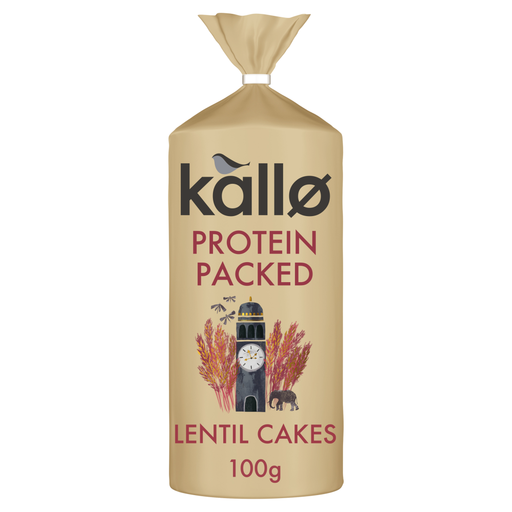
Kallo Protein Packed Lentil Cakes, 100g
A lentil-cake format to consider if you prefer something other than a protein bar. This is a 100g pack, not a maize-puff pack; use the label to work out the nutrition for the number of cakes you intend to eat.
View on Joybuy
Questions about maize snacks and protein
Are maize snacks automatically high in protein?
No. For example, Walkers UK lists 1.2g protein in a 22.5g pack of Wotsits Cheese and 1.2g in a 20g pack of Monster Munch Pickled Onion. Read the protein amount for the pack you will eat rather than judging by maize, cheese or chickpea in the name.
How can a maize snack fit into a quick desk lunch?
Use it as the crunchy part of lunch and include another food for the protein contribution you want. If you need the snack itself to play that role, compare dedicated protein products by their current per-serving nutrition and ingredients instead of assuming a maize puff will do so.
Should I compare nutrition per pack or per 100g?
Use both: per 100g puts different products on the same comparison basis, while per-pack or per-serving figures relate to the amount you expect to eat. NHS food-label guidance notes that a manufacturer’s stated portion may differ from the portion you choose.
What should I check if ingredients or allergens matter?
Read the exact current pack’s ingredient list and allergen declaration. The reviewed products have different bases—Tesco Groceries describes Quavers as potato-based and Skips as tapioca-based with maize flour—and their allergen declarations differ by product and flavour.


