Crunchy-snack buyers seeking more protein
If you still want a corn-based savoury snack, compare mixed bean-and-corn options with familiar maize puffs. Check protein for the portion you would actually eat, not just per 100g.


For a crunchy maize-containing snack with more protein than a conventional puff, a bean-and-corn mix is worth considering: Tesco lists 15g protein per 100g for Graze Marmite Crunch Protein, compared with 5.5g for standard Wotsits Cheese on the Walkers UK label. Neither a protein-related name nor the grams per 100g alone establishes a UK ‘high protein’ claim; if that claim matters to your choice, check the exact pack and its nutrition information.
If you still want a corn-based savoury snack, compare mixed bean-and-corn options with familiar maize puffs. Check protein for the portion you would actually eat, not just per 100g.
If ‘high protein’ is an important condition, look beyond the product name. The Food Standards Agency states that at least 20% of a food’s energy must come from protein for that claim; protein grams alone do not establish whether a snack qualifies.
Individual bags make the labelled portion easy to identify, while sharing bags need portioning out. Check protein and salt for the amount you intend to eat, along with the allergen statement for the exact flavour.
Start with the claim you need, then compare the labelled portion and ingredients. A higher protein figure per 100g need not translate into much protein in a small bag.
| Priority | What to check | Your needs |
|---|---|---|
| High-protein claim | Check the exact product’s claim and nutrition panel. The Food Standards Agency says a UK ‘high protein’ claim requires at least 20% of the food’s energy to come from protein. | If I specifically want a high-protein snack, I cannot judge it by ‘protein’ in the name or by grams per 100g alone. |
| Protein per portion | Tesco lists 3.8g per 25g portion for Graze Marmite Crunch Protein. Walkers UK lists 1.2g per 22.5g pack for Wotsits Cheese; compare the portion sizes as well as the protein. | The amount in the bag or serving I plan to eat matters more to my afternoon choice than a per-100g figure on its own. |
| Snack ingredients | Read the first ingredients and distinguish maize puffs from mixes containing beans or chickpea flour. Walkers UK lists chickpea flour before maize in Wotsits Cheese Toastie. | I want a crunchy corn-based snack, but I may prefer a mixed-ingredient option if its flavour and labelled protein suit me. |
| Allergens and salt | Read the allergen statement for the exact flavour, including ‘may contain’ wording. Compare salt for the serving you intend to eat, particularly when portioning a sharing bag. | Before switching flavours or snack types, I need to check that the ingredients and labelled portion work for me. |
A product can contain protein, or be labelled a source of protein, without qualifying for a high-protein claim. The Food Standards Agency sets the latter threshold at 20% of energy from protein.
Check the claim and nutrition panel on the exact pack rather than relying on its name.
Small bags can contain much less protein than their per-100g figures suggest. Walkers UK lists 1.2g per 20g pack for Monster Munch Pickled Onion and 1.2g per 22.5g pack for Wotsits Cheese.
Compare protein for the labelled serving and the amount you intend to eat.
Ingredients and allergen statements vary by product and flavour; maize as a base does not determine the suitability of the finished snack.
Read the current pack, including any precautionary allergen statement, whenever you change products.
These examples describe particular snacks, not every product under each brand name or what is available on Joybuy.
Graze Marmite Crunch Protein is a broad-bean-and-corn option for shoppers willing to move beyond a maize-only puff.
The Cheese puff and chickpea-containing Cheese Toastie variant offer different ingredient bases and portion sizes.
Pickled Onion is a maize-based option when flavour and an individual bag matter more than a protein-focused claim.
Pickled Onion provides another conventional maize-snack reference for comparing serving sizes.
Quavers Cheese is useful for checking the category boundary: the listed product is potato-starch based, rather than a maize snack.
These options cover lentil cakes, popcorn and savoury snack mixes for different afternoon-snack preferences. Their names and formats do not, by themselves, establish a UK high-protein claim.
 No image available
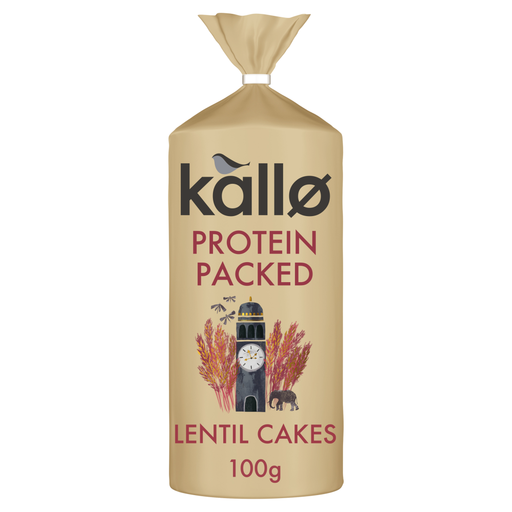
Lentil cakes offer a different format from a conventional maize puff. For a protein-focused afternoon snack, compare the pack’s protein per serving and check its ingredients rather than treating ‘Protein Packed’ as a high-protein claim.
 No image available
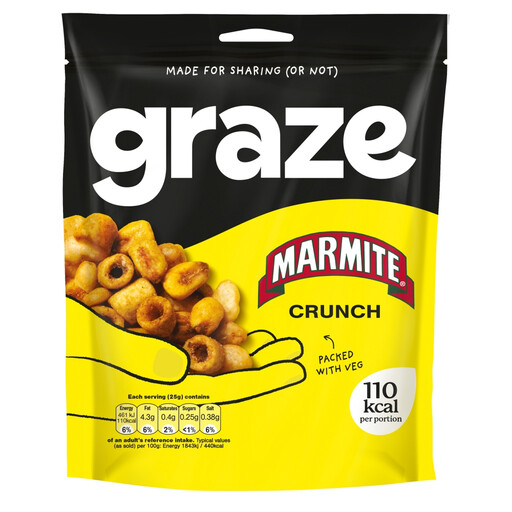
This 100g snack is an option if you plan to portion out an afternoon serving. Check this pack’s ingredients, allergens and protein per serving; figures for the separately named Graze Marmite Crunch Protein should not be applied to it.
 No image available
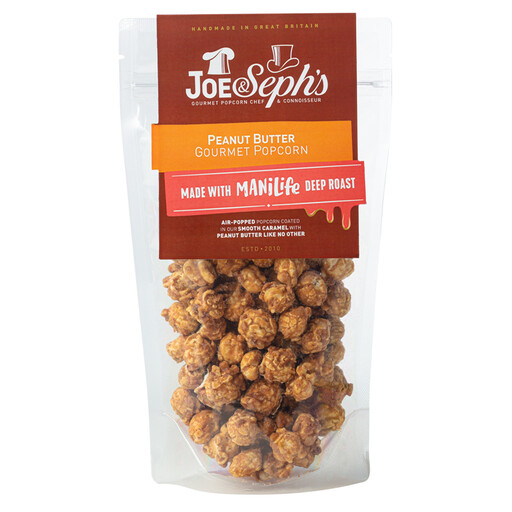
Popcorn offers a corn-based format for an afternoon snack. Check the exact pack’s ingredients and allergen declaration, and compare protein for the portion you plan to eat.
 No image available
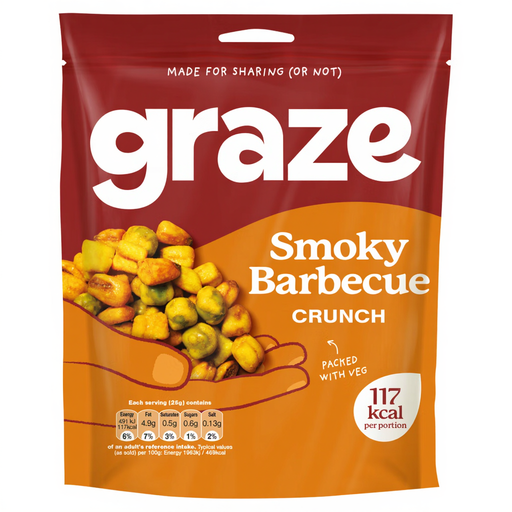
For a savoury afternoon portion from this 100g pack, compare protein and salt for the amount you serve. Check the ingredient list if a maize-containing mix, rather than a conventional puff, is what you want.
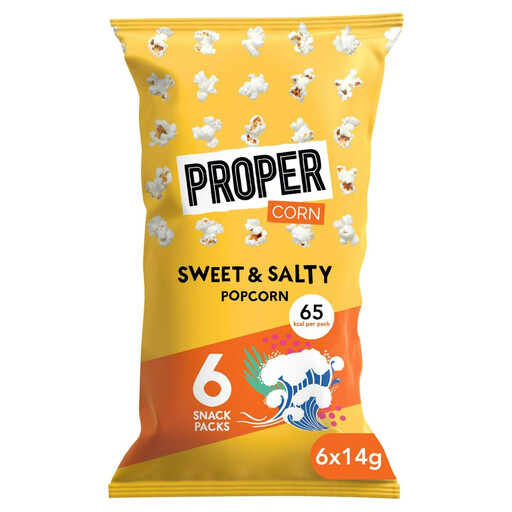 No image available
Six individual 14g bags make the pack format straightforward to compare with a planned afternoon portion. Check protein per 14g bag rather than relying only on the per-100g figure.
The Food Standards Agency states that at least 20% of a food’s energy must be provided by protein for a ‘high protein’ claim. A product containing protein, or described as a source of protein, is not necessarily eligible for that different claim.
Tesco describes Graze Marmite Crunch Protein as a source of protein and lists 15g per 100g; ‘source of protein’ is not the same claim as ‘high protein’. Check the exact product’s current label if a high-protein claim is essential to your choice.
Walkers UK lists 1.2g protein per 22.5g pack of Wotsits Cheese and 1.2g per 20g pack of Monster Munch Pickled Onion. Compare those serving figures, rather than treating either snack’s per-100g value as the amount in one bag.
Suitability depends on the exact product and flavour. Walkers UK identifies milk in Wotsits Cheese and milk and soya in Monster Munch Pickled Onion; read the current pack’s full allergen and ‘may contain’ statements before choosing.
Choose the format that lets you compare the amount you intend to eat: Tesco lists 25g portions for the 100g Graze Marmite Crunch Protein bag, while Walkers UK labels a 20g Monster Munch Pickled Onion inner pack as one serving. Use that serving size to compare protein and salt.