Hosts planning around 80 cups
Decide what will go into each cup before counting packs. A bag is one convenient unit for an infused tea, while the number of drinks from a powder pack depends on the preparation dose.


Choose matcha powder if the menu promises a whisked matcha drink; choose matcha-containing tea bags if straightforward individual cups matter more than serving pure matcha. For around 80 cups, calculate the quantity from the chosen pack count or preparation dose. An ordinary 80-bag tea box meets the bag count but does not provide matcha.
The useful starting point is whether 80 means tea bags, prepared matcha drinks or a mixture of both.
Decide what will go into each cup before counting packs. A bag is one convenient unit for an infused tea, while the number of drinks from a powder pack depends on the preparation dose.
Choose powder if guests are expecting ground tea whisked into their drink. As JING Tea explains, an ordinary green-tea infusion is prepared from leaves that are removed, so a matcha-containing tea bag serves a different style of drink.
Bags make it easier for guests to prepare separate cups. Check the ingredients before describing the drink as matcha: Waitrose & Partners lists Pukka Supreme Matcha Green as 98% green tea and 2% matcha.
Choose the drink format first, then work out the quantity and how it will be served alongside the cream tea.
Choose it when: guests are meant to receive a prepared matcha drink rather than an infused tea.
Allow for: measuring, whisking and serving each drink; a powder pack's weight is not itself a serving count.
Choose them when: individual infused cups suit the event and a green-tea blend containing matcha fits the menu.
Bear in mind: the bag is not equivalent to whisked powder; check the matcha proportion on the chosen product.
Choose it when: the requirement is 80 bags of ordinary tea rather than 80 matcha drinks.
Bear in mind: Marks & Spencer's 80-bag Extra Strong tea meets that bag count, but it does not meet a matcha-specific menu requirement.
| Priority | What to check | Your needs |
|---|---|---|
| Drink format | Read whether the product is powder to be whisked or a bag to be infused. Check the ingredients of blends: Waitrose & Partners lists Pukka Supreme Matcha Green as 98% green tea and 2% matcha. | If I'm promising whisked matcha, a matcha-containing green-tea bag would serve a different drink. |
| Serving quantity | Count bags per pack or use the powder maker's dose per cup. Clearspring lists 20 bags in its Matcha Sencha pack, so four such packs provide 80 bags; confirm the basket quantity before ordering. | I'm planning around 80 cups and need enough of the format I actually intend to serve. |
| Preparation | Check the instructions for the exact product and the equipment needed. JING Tea gives a preparation amount of 1.5g per 160ml cup for its ceremonial matcha; do not apply that dose to every powder. | For a self-service table, I'd rather put out individual bags. If drinks will be whisked, I need a workable way to prepare them during the event. |
| Drinks-table choice | Decide whether matcha is the main drink or an additional option. Label each drink clearly and check the current pack details when guests need ingredient or caffeine information. | I may want conventional tea and matcha as separate choices rather than expect one 80-bag box to do both jobs. |
Most ordering mistakes start with treating a product's name, pack weight and bag count as interchangeable.
A bag may make an infused green tea containing matcha instead of a whisked matcha drink. For example, Waitrose & Partners lists Pukka Supreme Matcha Green as 98% green tea and 2% matcha.
Check both the ingredients and the preparation format. Choose powder for a whisked drink, or describe a bagged blend as a green-tea infusion containing matcha.
Marks & Spencer lists an 80-bag Extra Strong tea box, while Clearspring lists its Matcha Sencha in a 20-bag pack. The same headcount does not make those drinks interchangeable.
Calculate the order from the chosen product: four 20-bag packs provide 80 bags. For powder, use the preparation dose for that specific product before deciding how many packs to buy.
Steeping a bag and whisking powder produce different drinks. JING Tea gives a measured dose for its ceremonial matcha, rather than a tea-bag count or infusion time.
Keep the purchased product's instructions at the drinks station and plan the measuring and whisking equipment before guests arrive.
These examples illustrate different formats; a brand's inclusion here does not mean every product it sells suits an 80-serving matcha plan.
Clearspring lists both a 100% matcha powder product and a separate Matcha Sencha tea-bag product.
JING Tea's ceremonial matcha is a reference point for a drink prepared from powder.
teapigs has a dedicated matcha category for shoppers comparing specialist tea ranges.
Pukka Supreme Matcha Green, as listed by Waitrose & Partners, illustrates the matcha-containing tea-bag route.
Marks & Spencer's Extra Strong tea illustrates a conventional 80-bag option.
These options cover matcha powders, matcha-containing tea bags and a latte mix. Their weights and bag counts mean different things, so check the preparation instructions and quantity needed for your chosen drink.
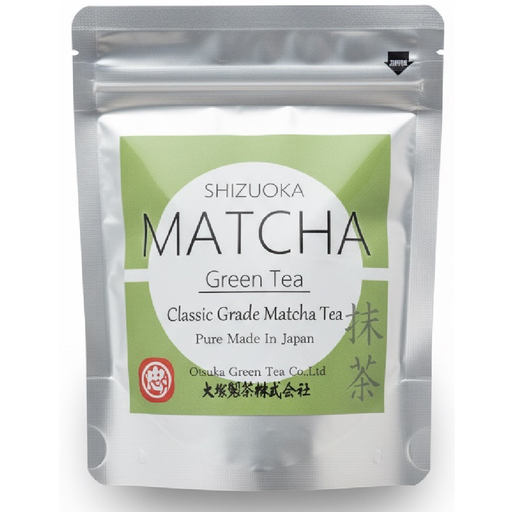 No image available
Consider this powder when the drinks table calls for prepared matcha rather than individual tea bags. The bag contains 30g; check its preparation dose and calculate how many bags you need for around 80 cups.
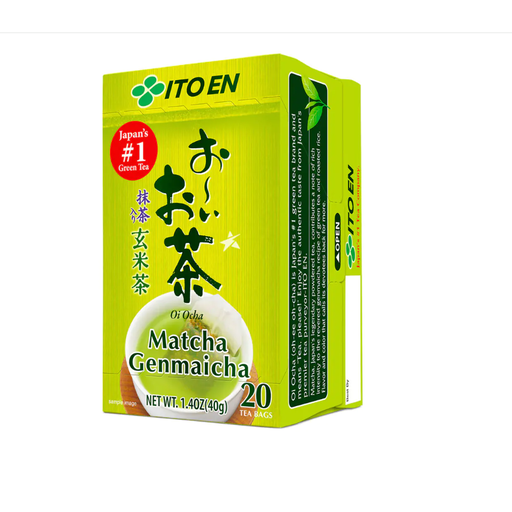 No image available
This bag format suits an infused tea service rather than whisked matcha. Four 20-bag packs provide 80 bags; confirm the ingredients, basket quantity and availability before planning the drinks table around it.
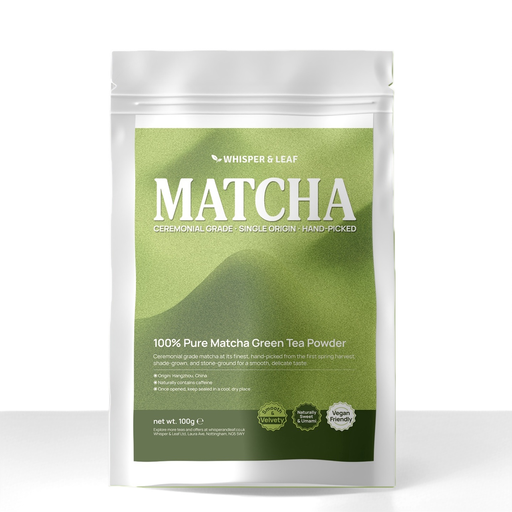 No image available
The 100g powder bag is an option for a prepared matcha service. Work out the number of cups from this product's preparation dose rather than treating 100g as a fixed number of servings.
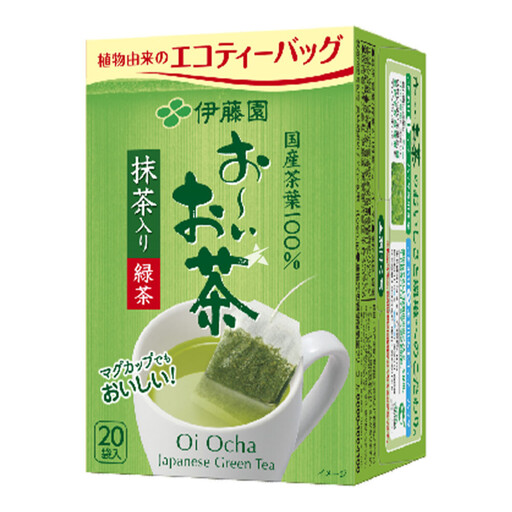 No image available
These green-tea bags with matcha fit an individual-cup tea service, not a whisked-powder service. Four 20-bag packs provide 80 bags; check the current ingredients and orderable quantity if those details matter to your menu.
 No image available
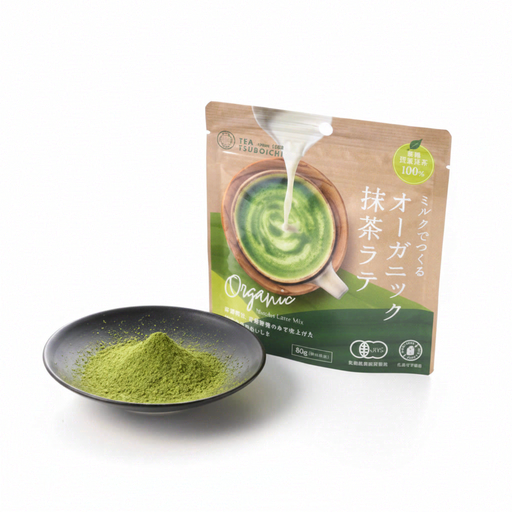
Consider this mix if a matcha latte-style drink fits the menu. The 80g figure is pack weight, not 80 servings; check the preparation amount and current ingredients and nutrition label before ordering for a group.
No. Matcha powder is prepared as a drink containing ground tea, while a matcha-containing tea bag makes an infusion. Check the blend: Waitrose & Partners lists Pukka Supreme Matcha Green as 98% green tea and 2% matcha.
For a product sold in 20-bag packs, four packs provide 80 bags; Clearspring lists its Matcha Sencha in that format. For powder, calculate the quantity from the chosen product's dose per cup rather than assuming that one gram always makes one serving.
No. Infuse tea bags according to their pack instructions, but follow the chosen powder's measuring and whisking directions. JING Tea, for example, gives 1.5g per 160ml cup for its ceremonial matcha; that is an instruction for that product, not a dose for every matcha powder.
Only if the 80 bags contain the drink you intend to serve. Marks & Spencer lists an 80-bag Extra Strong conventional tea, which can cover an ordinary tea service but cannot stand in for matcha on the menu.
Read the current pack labels for ingredients and preparation instructions, and identify the drinks clearly. If guests need allergen or caffeine information, use the details for the exact products and servings you offer.