
24/7 Customer Support

Free returns

Same-day & Next-day Delivery

Quality Guaranteed

Unlock Your Welcome Offers: FREE Delivery | Up to 80% OFF | Free 30-day JoyPlus trial
Download the APP
As a Joybuy Product Recommendation Officer, my role is to help you navigate the crowded marketplace. The popularity of matcha in the UK has brought a flood of options, but not all green powders are created equal. Many shoppers find themselves disappointed, having paid a premium for a product that is either bitter, dull in colour or packed with more sugar than actual tea.
Before you buy matcha online, it's crucial to understand the common traps that lead to a poor purchase.
To ensure you get what you pay for, focus on three core factors. These objective details cut through the marketing hype and tell you the true quality of the matcha powder UK residents are buying.
Instead of getting caught up in unregulated terms like "ceremonial" or "culinary," consider how you plan to use the matcha.
The source of the tea leaves is a primary indicator of quality.
Always check the ingredients list. For pure matcha, the only ingredient should be "green tea" or "matcha." If you're looking for convenience, matcha sachets containing pure powder are a great option. If you see sugar, corn syrup, milk powder or maltodextrin listed first, you are buying a pre-mixed beverage, not pure matcha.
Based on these practical criteria, here are a few options from our catalogue matched to different needs and lifestyles.
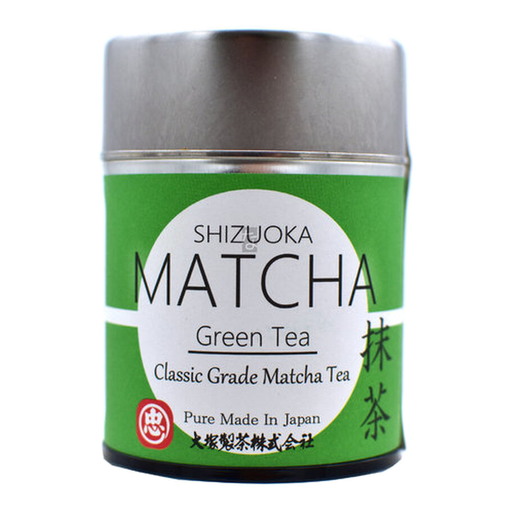
Why This Fits Their Persona: This user wants to replicate a café-quality experience at home. They appreciate authenticity and are willing to spend a little more for a superior flavour profile for their traditional tea or premium lattes.
It clearly states its origin (Shizuoka, Japan) and processing method (stone-ground), avoiding vague marketing terms. It is 100% pure matcha with no additives.
The stone-ground process ensures a silky, fine powder that whisks into a smooth, frothy tea without grit. The can packaging helps protect the powder from light and air, preserving its freshness.
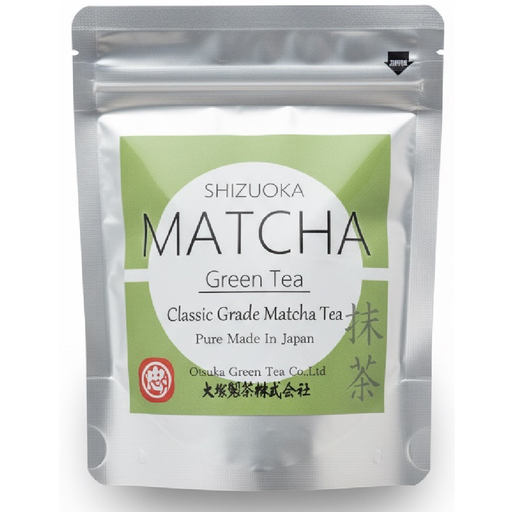
Why This Fits Their Persona: This user loves experimenting in the kitchen with matcha-flavoured cakes, ice cream and smoothies. They need a versatile, good-value powder with a robust flavour that won't get lost when mixed with other ingredients.
It is positioned as a "classic grade" suitable for culinary use, setting clear expectations. It is 100% green tea from Shizuoka, Japan, ensuring an authentic flavour base for recipes.
This powder offers a balanced blend of umami and gentle bitterness, making it an excellent all-rounder for both drinking and cooking. The resealable bag is practical for kitchen use.

Why This Fits Their Persona: Ideal for busy professionals or anyone needing a quick matcha fix on the go. These single-serve sachets are perfect for the office, travelling or a no-fuss morning routine without measuring.
Unlike pre-mixed latte powders, these sachets contain 100% pure ceremonial grade matcha. You get the convenience without compromising on purity or adding hidden sugars.
The single-serve format ensures maximum freshness for each cup and provides perfect portion control every time. It's a simple way to enjoy high-quality organic matcha anywhere.
We have compiled a complete, real-time list of products that fully satisfy these strict selection criteria and UK safety regulations.
Fresh, high-quality matcha should have a vibrant, bright green colour. If your powder looks dull, yellowish or brownish, it has likely oxidised and lost its flavour and potency. It should also have a fresh, sweet and slightly grassy aroma. A lack of scent or a dusty smell indicates it is past its prime.
Bitterness is usually caused by one of three things. First, using water that is too hot. Boiling water (100°C) will scorch the delicate tea leaves. Aim for water around 70-80°C. Second, using too much powder for the amount of water can create an overly concentrated, bitter drink. Start with about half a teaspoon (1g) per 70ml of water and adjust to your taste. Finally, a lower-quality powder will naturally be more bitter.
While a traditional bamboo whisk is designed to break up clumps and create the signature froth, it is not essential for everyday enjoyment. A small, electric milk frother is an excellent modern alternative that works very well, especially for making lattes. You can also shake the matcha and water vigorously in a sealed jar. Using a regular spoon or fork is the least effective method, as it often leaves clumps.