
24/7 Customer Support

Free returns

Same-day & Next-day Delivery

Quality Guaranteed

Unlock Your Welcome Offers: FREE Delivery | Up to 80% OFF | Free 30-day JoyPlus trial
Download the APP
As a Product Recommendation Officer at Joybuy, I often see shoppers navigating the increasingly crowded market for matcha powder. Its popularity has soared, but so has the confusion. Many products come with appealing labels and lofty claims, making it difficult to distinguish genuine quality from clever marketing. If you've ever been disappointed by a dull, bitter powder, you're not alone.
This guide is designed to help you understand what truly matters when you buy matcha online. We'll highlight the common pitfalls that lead to a poor purchase and break down the key factors that ensure you get a vibrant, flavourful powder suited to your needs, whether you're a home barista or a culinary creator.
Before you add any matcha to your basket, be aware of these frequent issues that can lead to buyer's remorse:
To ensure you get a quality product, focus on these three non-negotiable parameters.
Understanding the different grades is crucial for matching the powder to your purpose.
The label should provide clear and specific information.
Matcha is available in several formats to suit different lifestyles.
Based on these criteria, here are a few recommendations from our catalogue, matched to different user needs.
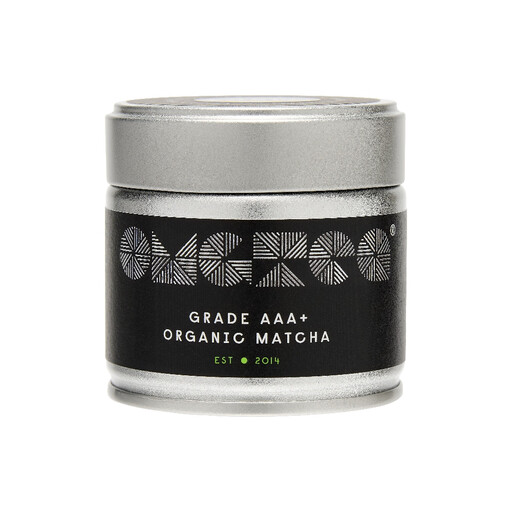
Why This Fits Their Persona: For those who appreciate the traditional Japanese tea ceremony, this matcha is designed to be enjoyed straight. It's for the discerning drinker who wants to experience the nuanced, savoury-sweet flavour of high-grade matcha without milk or sugar.
This is a true ceremonial grade product. The description confirms it is organic, from the first harvest and stone-ground, avoiding the trap of misleading "ceremonial" labels on inferior powders.
Its profile is described as having a naturally sweet, creamy flavour with deep umami and zero bitterness. The fine 5–10 micron particle size ensures a silky-smooth texture when whisked.
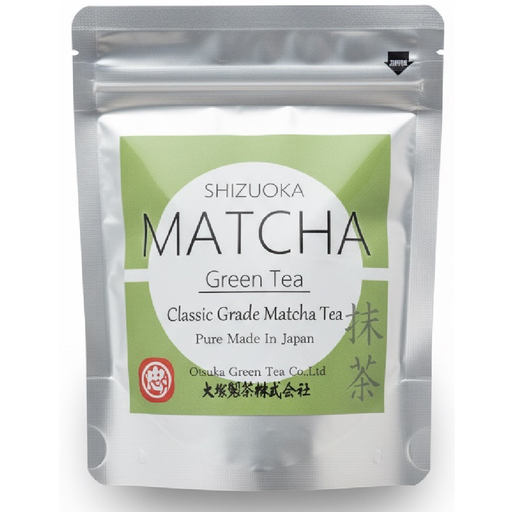
Why This Fits Their Persona: This is for the UK home barista who wants a reliable, high-quality powder for their daily latte or smoothie. They need a product that is pure, tastes great with milk and offers good value for frequent use.
It avoids the filler trap by being 100% pure green tea. It also provides clear origin information (Shizuoka, Japan) and processing details (shade-grown, stone-ground), ensuring authenticity.
This classic grade offers a balanced flavour of umami and gentle bitterness, making it versatile enough for both traditional tea and lattes. Its fine powder ensures a smooth, easy-to-whisk texture.
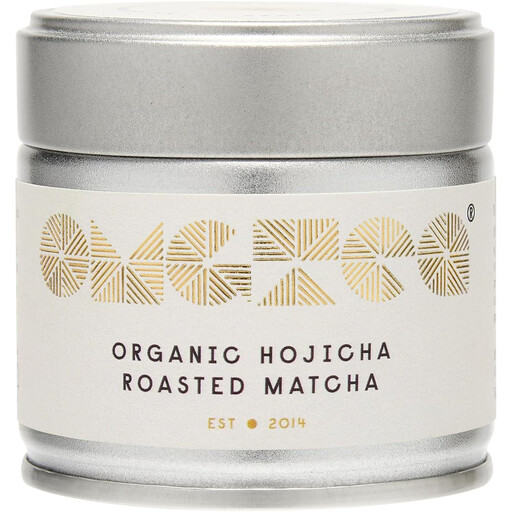
Why This Fits Their Persona: This is for the home cook or drink-maker who loves to experiment. Instead of traditional matcha, this is hojicha—roasted green tea—ground into a fine powder. It's perfect for creating unique lattes, ice creams and baked goods with a nutty, toasty flavour.
This product is transparent about what it is: a roasted matcha alternative. It clearly states its origin (Kagoshima, Japan), its organic status and its intended versatile use, avoiding any confusion with traditional matcha.
It offers a rich, nutty flavour with a creamy texture and is naturally low in caffeine, making it a great evening drink. Its versatility for lattes, smoothies and baking encourages culinary creativity.

Why This Fits Their Persona: This is for the busy individual who wants quality matcha without the fuss of measuring. The single-serve sachets are perfect for taking to work, the gym or when travelling, ensuring a perfect portion every time.
These sachets contain 100% ceremonial grade matcha, avoiding the trap of hidden sugars or fillers often found in convenient formats. You get pure matcha in a simple, portable package.
The primary advantage is convenience. The pre-portioned matcha tea sachets eliminate mess and guesswork, making it easy to enjoy high-quality matcha anywhere, anytime.
We have compiled a complete, real-time list of products that fully satisfy these strict selection criteria and UK safety regulations.
High-quality matcha powder is extremely fine (often 5-10 microns), which can cause it to clump due to static electricity. To get a smooth, clump-free drink, it is highly recommended to sift the powder through a small, fine-mesh sieve before adding water. Then, use a bamboo whisk (chasen) or a small electric frother and whisk in a 'W' or 'M' motion until a fine foam appears.
Matcha is delicate and sensitive to light, heat and air. Once opened, store it in an airtight container in the refrigerator. This protects its vibrant colour, flavour and nutritional properties. Unopened tins can be stored in a cool, dark cupboard. Always aim to use your matcha within a few months of opening for the freshest taste.
Not necessarily. While you can certainly use ceremonial grade for lattes, its delicate, nuanced flavours can be lost when mixed with milk and sweeteners. A high-quality culinary grade or a good all-purpose classic grade is often a more practical and cost-effective choice. Its more robust flavour profile is specifically suited to stand up to other ingredients, ensuring you still get a distinct matcha taste in your latte.