
24/7 Customer Support

Free returns

Same-day & Next-day Delivery

Quality Guaranteed
Download the APP
Categories
Navigating the world of authentic Japanese ingredients can be a rewarding journey, but it often starts with a single, confusing question: which miso paste is the right one for my kitchen? With options ranging from deep red to pale yellow, each offering a unique flavour profile, choosing can feel overwhelming. This guide is designed to cut through the clutter, helping you understand the key differences and select a high-quality Japanese soybean paste that will elevate your home cooking, whether you're making a classic miso soup paste or a complex marinade.
As the Joybuy Product Recommendation Officer, my role is to provide clear, practical advice to help you make informed choices. Let's explore what makes this versatile umami paste a staple in Japanese cuisine and find the perfect match for your culinary needs.
Before diving into specific products, understanding a few key principles will make your selection process much simpler.
The colour of miso is the most immediate indicator of its flavour. This is determined by the ingredients and, crucially, the length of the fermentation process.
Different misos serve different culinary purposes. A delicate white miso might get lost in a hearty stew, while a powerful red miso could overpower a light dressing.
A quality authentic Japanese miso will have a simple ingredient list. Look for core components like soybeans, rice or barley, salt and the fermentation starter (koji). Additives should be minimal, with alcohol sometimes included as a natural preservative.
Based on their ingredient quality, flavour profile and versatility in a home kitchen, here are our recommendations.
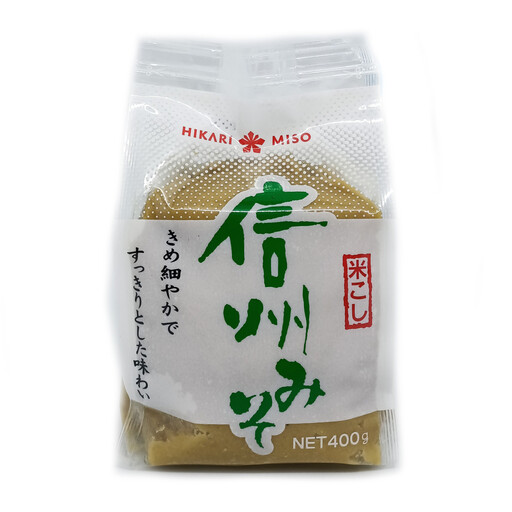
Why It Stands Out: This is a classic Shinshu-style white miso paste, celebrated for its exceptionally smooth texture and mild, slightly sweet flavour. It dissolves effortlessly, making it incredibly easy to use for everyday cooking. Its balanced profile provides a gentle umami boost without overpowering other ingredients.
Pros:
Who is it for? Home cooks looking for a versatile, all-purpose miso for daily use, or those who are new to cooking with Japanese soybean paste and prefer a milder flavour.
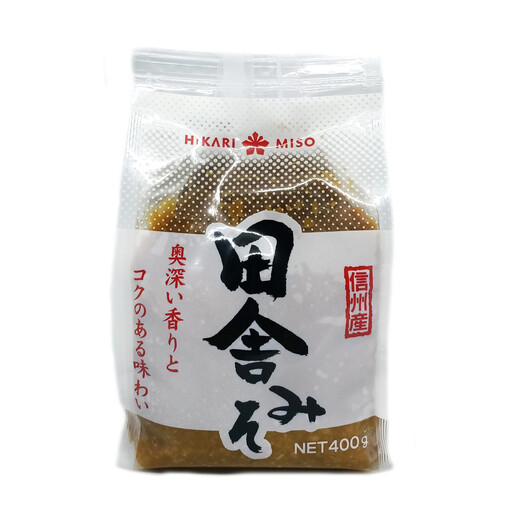
Why It Stands Out: As a traditional "countryside style" (Inaka) red miso paste, this product offers a more rustic and authentic experience. It has a rich umami flavour and a strong aroma from a longer fermentation process. The texture is slightly coarser, with visible koji grains that contribute to its homemade character.
Pros:
Who is it for? Cooks who want to create dishes with a deeper, more traditional Japanese flavour. It's ideal for those already familiar with miso and seeking a more powerful umami paste.
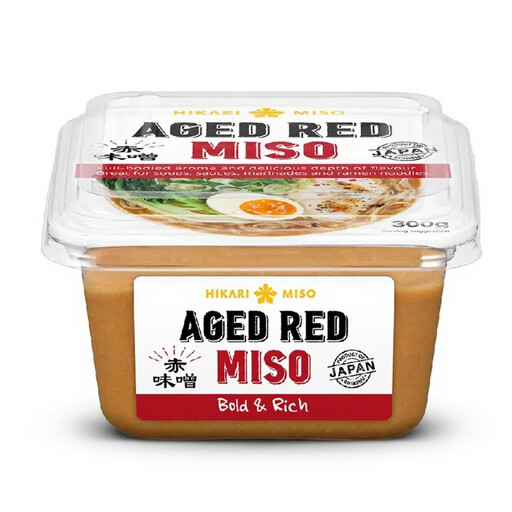
Why It Stands Out: This is a premium, aged red miso paste crafted through a slow, traditional fermentation. The ageing process develops an incredibly deep, complex and savoury flavour with an earthy aroma. This is the choice for when you need maximum flavour impact.
Pros:
Who is it for? Culinary enthusiasts and experienced cooks aiming to replicate the deep, satisfying flavours found in authentic Japanese restaurant cuisine. Perfect for those who appreciate the nuances of artisanal, slow-fermented foods.
These recommendations from the Hikari miso range offer a fantastic starting point for any home cook. However, the world of miso is vast and varied. If you're looking for different types, such as barley miso (Mugi) or blended miso (Awase), or simply wish to browse a wider selection, our full collection is available.
Discover more styles and find your next favourite pantry staple by exploring our complete range of Japanese miso.
1. What is the main difference between red and white miso paste? The primary differences are fermentation time and ingredients. White miso paste is fermented for a shorter period with more rice, resulting in a mild, slightly sweet taste. Red miso paste is fermented for longer, often with a higher proportion of soybeans, giving it a saltier, more intense and robust umami flavour.
2. How should I store miso paste to keep it fresh? Unopened miso can be stored in a cool, dark pantry. Once opened, it is essential to refrigerate it in a tightly sealed container. This preserves its flavour, colour and the beneficial cultures from the fermentation process. The colour may naturally darken over time, but it remains safe to use.
3. Is miso paste a healthy food? Miso is a fermented soybean paste, and as a fermented food, it contains probiotics which are associated with gut health. It is made from simple ingredients like soybeans and rice and provides a significant umami flavour, allowing you to potentially reduce other seasonings like salt. As it is high in sodium, it should be enjoyed as part of a balanced diet.