
24/7 Customer Support

Free returns

Same-day & Next-day Delivery

Quality Guaranteed

Unlock Your Welcome Offers: FREE Delivery | Up to 80% OFF | Free 30-day JoyPlus trial
Download the APP
Choosing between moisturising creams can be surprisingly difficult. A lightweight face moisturiser may be unsuitable for cracked hands, while a rich emollient cream can feel uncomfortable under make-up. Product descriptions also often highlight long-lasting hydration without explaining the texture, fragrance or ingredients that matter in everyday use.
Before buying, watch for three common pitfalls:
For everyday dry skin, a lotion or lighter hydrating cream may be easy to apply after bathing. Very dry or cracked areas generally benefit from a richer formula containing occlusive ingredients. Petrolatum, paraffin, mineral oil and dimethicone can create a surface layer that helps slow moisture loss.
For a sensitive skin moisturiser, look for a short, clearly listed formula and consider fragrance-free options. If you are choosing an eczema cream or clinically tested emollient cream, follow the directions and warnings on the packaging. Persistent, worsening or painful symptoms should be discussed with a pharmacist or GP.
A body lotion in a 400ml bottle may offer better value for regular full-body use, but it may be too fragranced or rich for the face. A face moisturiser may include ingredients such as niacinamide, ceramides or hyaluronic acid, alongside additional brightening or conditioning ingredients.
Hands need a practical balance. A hand cream should be rich enough for dry knuckles and cuticles but absorb quickly enough for driving, typing or household tasks. A smaller 60ml–96g tube is also easier to keep beside a sink or in a handbag.
A 500g pump dispenser can be convenient for a household using cream several times daily, while a 55g facial cream is more suited to targeted application. For babies and children, choose products clearly labelled for the relevant age range and apply only as directed.
For paraffin-based formulas, read the fire-safety warning carefully. Clothing, bedding or dressings with dried paraffin products on them can present a fire risk near naked flames. Check the current packaging for the latest ingredients, storage instructions, expiry information and warnings before use.
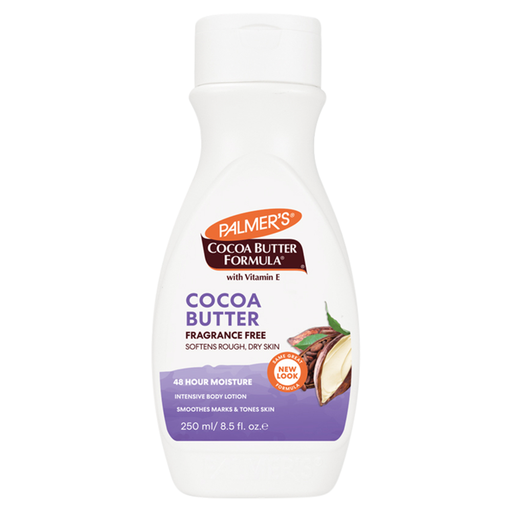
Why This Fits Their Persona: A 250ml fragrance-free body formula suits shoppers wanting one accessible option for elbows, knees, feet and other dry areas without adding perfume to their routine.
The product is listed as fragrance-free, helping shoppers avoid overlooking parfum when seeking a simpler body moisturiser.
Contains cocoa butter and glycerin; suitable for daily use on common rough, dry body areas.
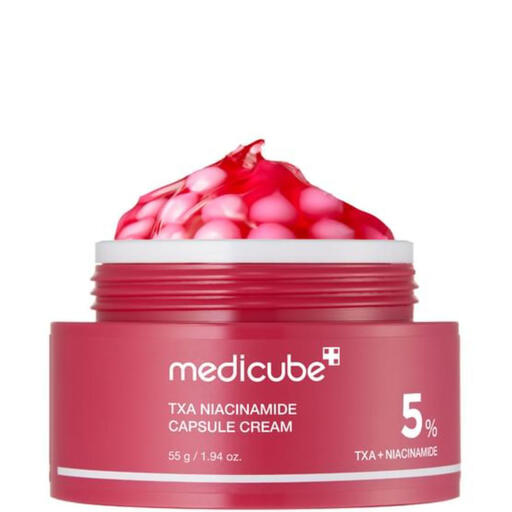
Why This Fits Their Persona: Facial skincare users who want adjustable texture and hydration with a more targeted routine may prefer this capsule-and-gel format.
The gel-to-capsule ratio can be adjusted, reducing the chance of buying a facial cream that feels too heavy or too light.
Includes 5% niacinamide, ceramide NP and several forms of hyaluronic acid; supplied in a 55g facial format.
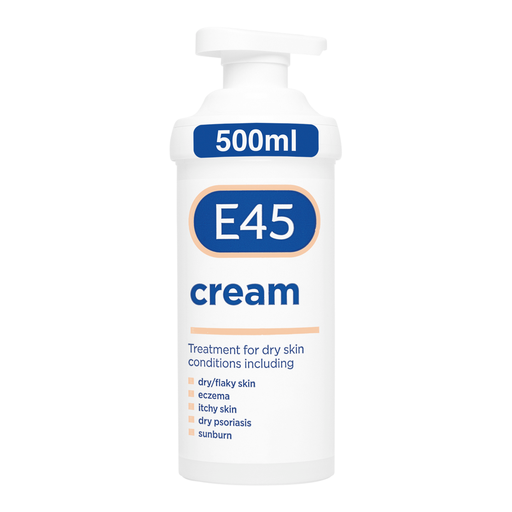
Why This Fits Their Persona: A large pump dispenser is practical for families or adults applying an emollient cream repeatedly to the face, hands and body.
Its listed active emollients are clearly identified, while the fragrance-free format avoids relying on vague “gentle” wording.
Contains white soft paraffin, light liquid paraffin and anhydrous lanolin; 500g packaging supports frequent application.
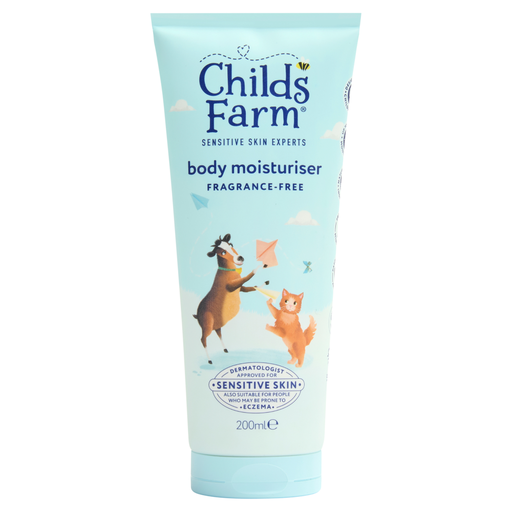
Why This Fits Their Persona: The 200ml pump-style format and stated suitability from 0+ months make it a practical daily baby moisturiser for UK families.
It is explicitly fragrance-free and lists cocoa butter, shea butter and vitamin E, making the formulation easier to assess.
Mineral oil-free and described on the product listing as suitable for sensitive and eczema-prone skin.
We have compiled a complete, real-time list of products that fully satisfy these strict selection criteria and UK safety regulations.
Apply after washing or bathing while skin is clean and dry, then reapply whenever dryness returns. Follow the product directions, as some emollient creams are intended for use two or three times daily.
Shelf life varies according to the formula, packaging and storage conditions. Check the expiry date and any open-jar symbol on the packaging. Keep creams closed and away from excessive heat or direct sunlight.
Fragrance-free products may reduce exposure to parfum, but suitability is not guaranteed. Review the complete ingredients list, patch test new facial products where advised and stop using any product that causes irritation.